Somerville's houses span many building eras, and much of the ductwork inside them was added well after the structure itself went up, sometimes in two or three rounds as additions were framed or a coal furnace gave way to an oil or gas system. A listing agent walks the house for paint and staging. A buyer's inspector walks the basement, and the duct system is one of the first mechanical items pulled apart for a look, long before the sale closes.
What a buyer's inspector opens
A home inspector working through Somerset County rarely tears into ductwork, but there are three spots almost every inspector opens on an older system: the return grille, the filter slot ahead of the furnace, and the main plenum where the trunk lines meet the air handler. The return grille shows how much dust has settled on the blades and if the filter behind it has been changed on any kind of schedule. The filter slot shows rust, gaps around the frame, or a filter sized wrong for the opening, each of which lets unfiltered air bypass the filter and load the coil with dust. The plenum, especially on a system that has been added onto, shows old tape, mismatched duct sizes, and joints that were never sealed past the original installation. None of this takes long to check, and a seller who has not looked at these three spots is handing the buyer's inspector an easy list of items to note on the report.
When air duct cleaning helps the listing
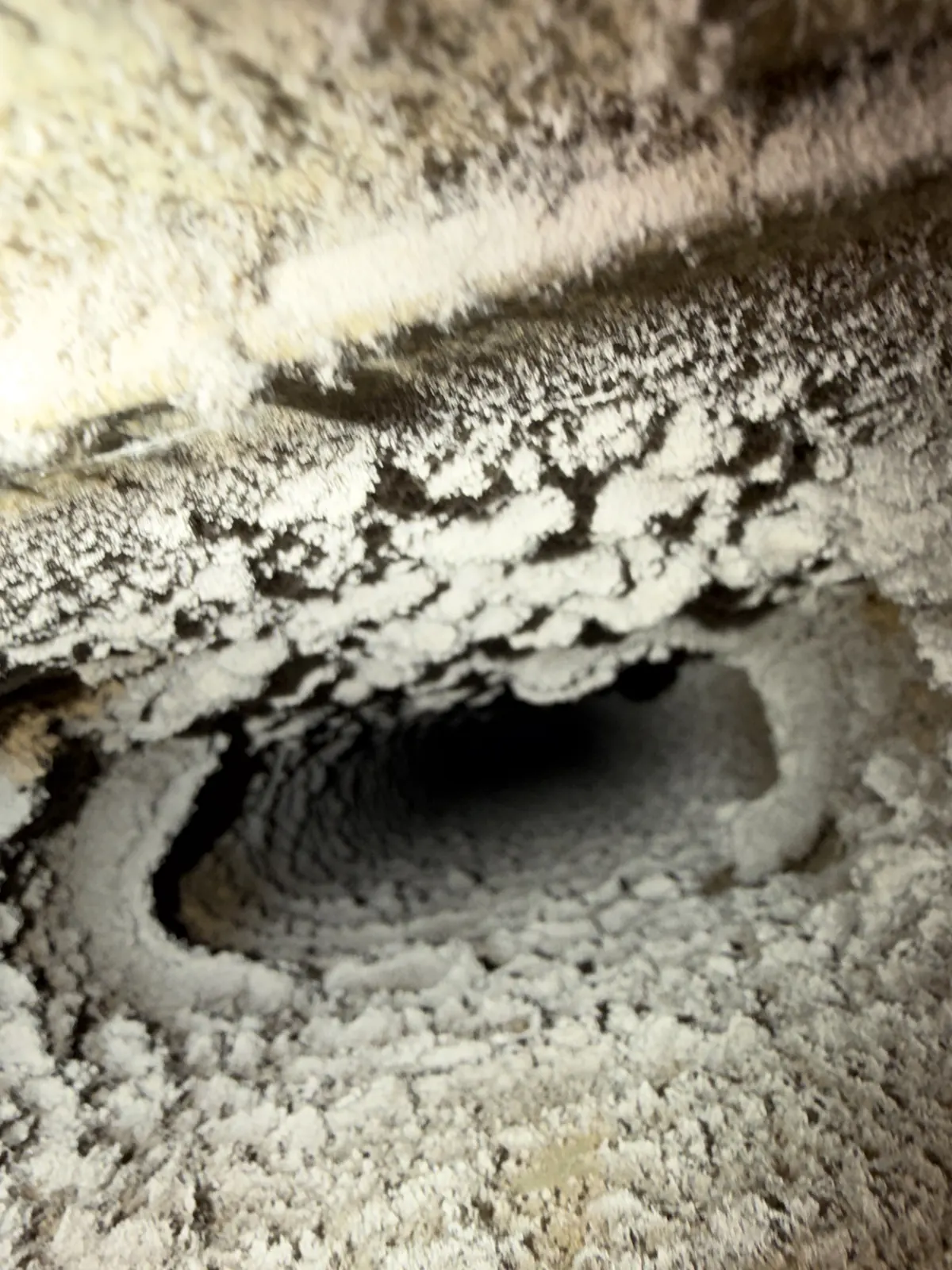
Air Duct Cleaning removes the dust, debris and pet hair sitting in the trunk lines and branch runs, and it clears out the filter slot and the blower compartment where dust tends to collect behind the fan. For a house that has been occupied for years without much attention to the ducts, a cleaning changes the first impression at a showing: no dust puff when the system kicks on, no musty smell reaching the second floor, a return grille that looks cared for rather than ignored. That matters for a walk-through and it matters for staging, but a cleaning does not change what the ductwork is made of, how it is routed, or if a joint has pulled apart in a crawlspace. A clean system with a disconnected branch run is still a disconnected branch run. Cleaning is the right call when the problem is visible debris and odor, not when the problem is the structure of the ducts themselves.
When air duct repair is the real item
Houses that picked up ductwork in stages, a finished attic here, a converted porch there, tend to carry at least one section that was never built to match the rest: flex duct stretched too far and sagging between joists, a branch run crushed when a floor was finished over it, a plenum seam patched with tape years ago that has since dried out and pulled loose. A buyer's inspector who feels warm or cold air leaking into a joist bay, or who sees a disconnected run through an attic hatch, puts that on the report as a defect, not a cosmetic note. Air Duct Repair is the item that addresses this before a buyer's inspector finds it rather than after. On a house with additions or a converted space, it pays to have the duct runs looked over section by section before the sign goes up in the yard, rather than finding out from a buyer's inspection report what the duct system has been doing out of sight.
The dryer vent and the chimney belong on the same list
A duct system is not the only item a buyer's inspector opens in an older Somerville basement. The dryer vent gets a look too, especially in a house where the laundry has moved from a basement hookup to a closet upstairs over the years, stretching the vent run through walls and ceilings it was not originally built to cross. Dryer Vent Cleaning clears lint from that run, and where the run itself is foil, plastic, or strung together with too many turns, Dryer Vent Installation replaces it with a shorter, rigid run before a buyer's inspector flags the material. A masonry chimney, if the house still has one, gets the same attention: Chimney Cleaning for the soot a disused flue has collected, and Chimney Repair for a cracked crown, a missing cap, or a liner left over from a boiler that was swapped out decades ago. Sellers in Raritan, Hillsborough or Somerville with an older chimney sometimes forget it is still an active line item on an inspection report even when the fireplace has not been lit in years.
What decides the cost of a pre-listing visit
What a pre-listing visit costs depends on what is found once the system is open: the number of registers and returns, the length and accessibility of the trunk and branch runs, if the plenum has been added onto more than once, and if cleaning alone covers it or a section needs to come out and be replaced. A written estimate after a walk-through of the basement, attic and register locations lays out what was found and what it would take to address it, so a seller can decide how much to handle before listing and how much to leave as a line item for the buyer to negotiate.
Timing the work before closing
The best time for this work is before the house goes on the market, not after an inspection report comes back with findings. A cleaning or a repair done ahead of listing becomes something the seller can speak to directly rather than something a buyer's inspector discovers first. For a house with ductwork added in stages, a result sheet from a pre-listing visit, showing what was cleaned, what was repaired and what was left as original, gives a buyer's agent a straightforward answer when the question comes up during the inspection period rather than a guess.