
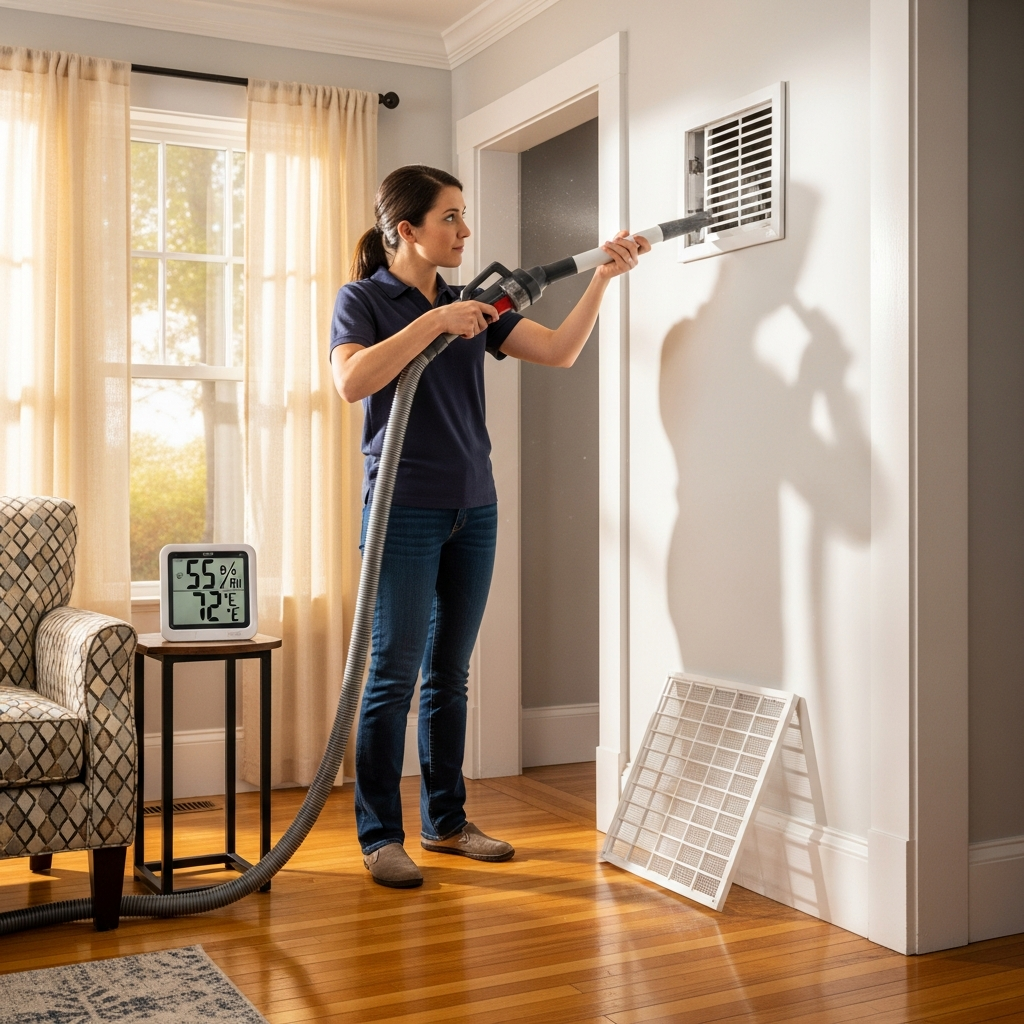
Once your new ducts are installed, long-term performance depends on consistent care tailored to Somerville, New Jersey’s seasonal conditions. Smart maintenance preserves comfort, reduces energy waste, and protects indoor air quality. This guide explains practical upkeep you can perform throughout the year, signs that indicate trouble, and strategies to keep your HVAC system running smoothly for the long haul. If you prefer professional assistance for inspections or optimization, consider reputable local air duct installation services that also offer maintenance support tailored to your home’s layout and equipment.
Maintenance is not just about changing filters. It also includes inspecting seals, protecting insulation, monitoring static pressure, and making small adjustments before they grow into expensive repairs. Because Somerville faces humid summers and cold winters, attention to condensation control and airtightness is especially important.
Seasonal maintenance roadmap
Adopt a seasonal routine to prevent small issues from compounding. In spring, prepare for cooling by checking insulation on attic and basement ducts, ensuring vapor barriers are intact, and confirming that registers and returns are unobstructed. In summer, watch for condensation on supply ducts and for musty odors that can indicate moisture problems. In fall, ready the system for heating by inspecting seals and tightening any loose connections. In winter, monitor for drafts around penetrations and listen for unusual noises that can signal airflow restrictions.
Document what you observe each season. A simple log of filter changes, minor seal touch-ups, and airflow adjustments helps you spot trends and proves invaluable if professional service is needed later. Good records also benefit future homeowners and maintain the value of your property.
Filter strategy and airflow health
Filters protect both your ducts and equipment. Choose a filter with a MERV rating that your blower can handle without excessive static pressure. Replace on schedule, and inspect more frequently during pollen-heavy months or after home renovations. If you notice dust accumulating near registers or returns, check for bypass leakage around the filter slot or door gaskets, and verify that the filter is seated properly.
Good airflow is the lifeblood of your system. Listen for whistling at returns, which may indicate undersized grilles or clogged filters. If rooms take longer to heat or cool than before, inspect visible ducts for crushed sections, dislodged insulation, or disconnected joints. Cleaning registers and ensuring furniture does not block supply or return pathways can restore performance quickly.
Sealing and insulation touch-ups
Mastic seals can dry or crack over time, especially where ducts experience minor movement. Inspect joints near the air handler, takeoffs, and transitions annually. Reapply mastic to any suspect areas and press UL-listed foil tapes firmly for long-term adhesion. Small leaks can add up to major energy loss and uneven temperatures throughout the home, so these touch-ups pay off quickly.
Insulation also deserves periodic attention. In attics and basements, look for gaps, tears, or compression around hangers and tight bends. Replace damaged sections promptly to maintain a continuous thermal and vapor barrier. Keeping insulation intact reduces condensation risk in summer and heat loss in winter, protecting both comfort and equipment.
Condensation control and moisture vigilance
Somerville’s summer humidity makes condensation control essential. Check for moisture on supply ducts, especially near metal fittings or where insulation has been disturbed. If you find damp spots or musty smells, investigate immediately. Repair insulation, seal gaps, and confirm that airflows and temperatures are within design ranges. Persistent moisture problems may indicate low airflow due to restrictions or poor sealing elsewhere in the system.
Moisture can also enter from outside the duct system. Ensure that attic ventilation is adequate, crawlspaces are dry, and home envelope leaks are minimized. Reducing overall humidity makes your ducts and equipment less prone to stress and extends the life of components.
Balancing, noise, and comfort tuning
Over time, changes in room use, furniture placement, or occupants can shift airflow needs. Use balancing dampers to fine-tune distribution. Make small adjustments and allow the system to run for a full cycle before evaluating comfort changes. If a register produces noise after an adjustment, check grille size, duct kinks, or excessive velocity resulting from the new damper position.
Noise often points to solvable issues. Rattling can indicate loose supports, while whistling suggests restrictions. Quiet systems typically have smooth transitions, correct velocities, and secure fittings. Addressing noise not only improves comfort but also prevents wear on connections and supports.
Protection against pests and physical damage
Ducts routed through basements, crawlspaces, or garages can be vulnerable to pests or accidental impacts. Inspect for signs of nesting, gnawing, or crushed sections. Seal entry points, repair damaged insulation, and add protective sleeves where ducts are exposed to high-traffic areas. Keeping these sections secure maintains airflow and reduces contamination risks.
In storage areas, avoid stacking items on or against ducts. Compressed insulation and dented metal reduce performance and can increase noise. A few inches of clearance around visible runs goes a long way toward preserving efficiency and serviceability.
Testing and verification
Periodic testing validates maintenance efforts. Check static pressure at the air handler during both heating and cooling seasons if you have access to basic gauges or work with a professional. Track temperature rise (heating) and drop (cooling) to confirm efficient heat transfer. If readings drift over time, investigate filters, duct restrictions, or equipment issues before comfort declines become noticeable.
Airflow checks in a few key rooms help ensure that balancing remains on target. If a room consistently underperforms, trace the branch for kinks, sagging, or insulation damage. Early intervention prevents systemic problems and protects your energy investment.
When to call a professional
Many maintenance tasks are homeowner-friendly, but some issues call for expert assessment. Persistent condensation, recurring static pressure warnings, or chronic comfort problems often indicate design-level constraints or hidden restrictions in concealed runs. A professional can test, diagnose, and propose targeted improvements without guesswork.
Before you schedule service, gather your documentation: layout diagrams, damper positions, filter change history, and any test results you have recorded. With this context, a technician can troubleshoot faster and recommend solutions that complement your existing system rather than starting from scratch. In the middle of your maintenance planning, you may find value in scheduling periodic checkups through a trusted provider that offers thorough professional air duct installation and optimization services to keep performance on track.
Upgrades that complement maintenance
Several upgrades extend the benefits of diligent maintenance. High-quality filter racks with tight seals reduce bypass leakage. Quiet, properly sized returns lower noise and improve circulation. Better diffuser and register selections can enhance air mixing and reduce drafts. In some homes, modest layout changes—such as adding a return on an upper floor—yield large comfort gains without replacing entire runs.
Consider envelope improvements in parallel, such as air sealing and attic insulation upgrades. Ducts operate best in a well-sealed, insulated home. Coordinating these improvements can multiply comfort and efficiency benefits beyond what maintenance alone can deliver.
Frequently asked questions
Q: How often should I change filters in Somerville’s climate?
A: Follow manufacturer recommendations, but inspect more frequently during high-pollen months and after renovations. A clean, properly seated filter is foundational to airflow and equipment health.
Q: Why do I hear whistling at a return grille?
A: Whistling can result from a clogged filter, undersized grille, or high face velocity. Check filter condition and consider a larger or less restrictive grille if noise persists.
Q: Can I ignore small tears in duct insulation?
A: No. Even minor damage can become a condensation point in summer or a heat-loss path in winter. Repair promptly to maintain a continuous barrier.
Q: What signs indicate leaking ducts?
A: Dust streaks near joints, uneven room temperatures, musty odors, and rising energy bills are common indicators. Visual inspection and pressure testing confirm the extent of leakage.
Q: Do dampers need routine adjustment?
A: Not constantly, but seasonal tweaks can help. Make small changes, document damper positions, and evaluate comfort after a full cycle before adjusting again.
Q: Is professional duct cleaning part of maintenance?
A: It can be beneficial if there is visible debris, post-construction dust, or contamination. However, a well-sealed, filtered system typically stays cleaner longer and may need cleaning less often.
Keep your ducts performing for years
Consistent, thoughtful maintenance keeps your Somerville home comfortable, efficient, and healthy. By monitoring filters, seals, insulation, and airflow, you can resolve small problems before they escalate and preserve the benefits of a quality installation. When you want expert verification or targeted optimization, schedule comprehensive air duct installation support from professionals who understand local homes and conditions.
