
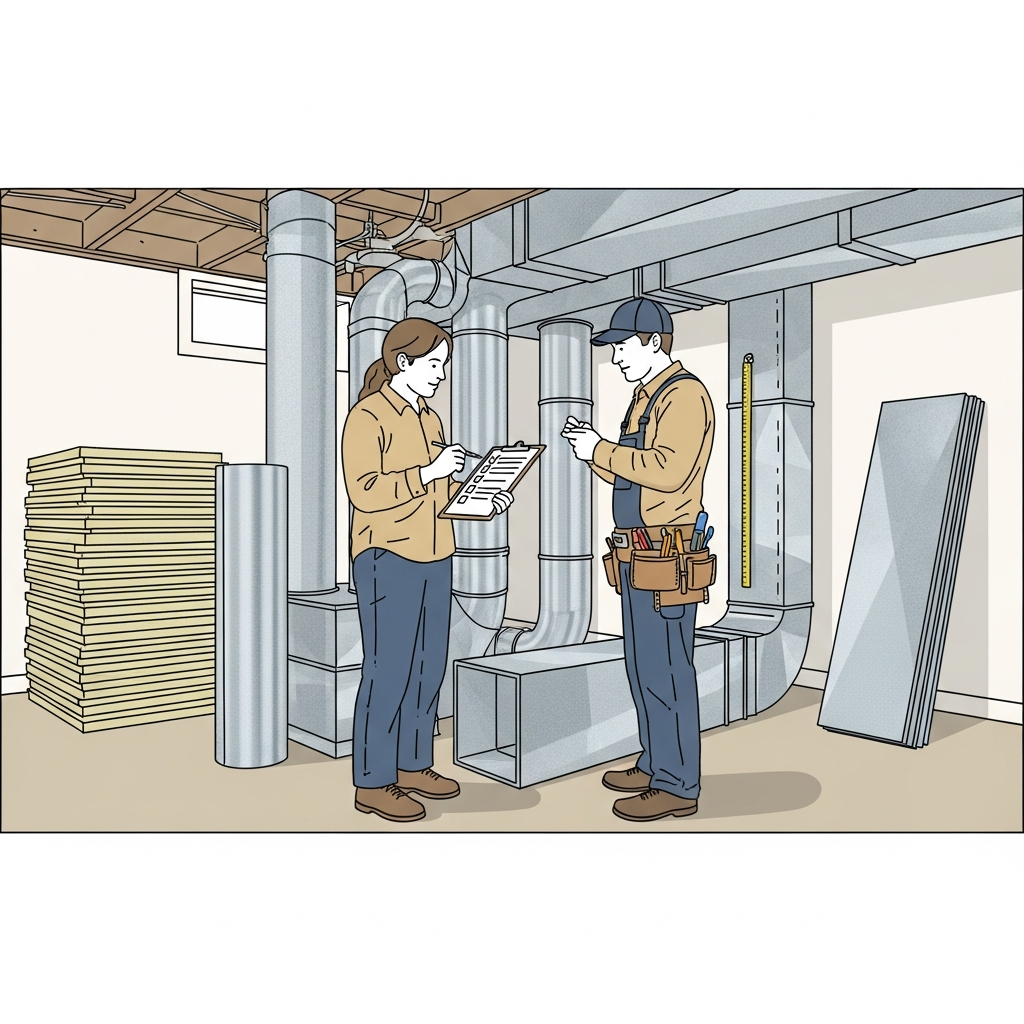
Preparing for an air duct installation project near Somerville, New Jersey, is easier when you have a clear, practical checklist that covers every step from planning to final verification. This detailed resource helps homeowners coordinate with contractors, track progress, and confirm the quality benchmarks that deliver a comfortable, energy-efficient home. Because Somerville experiences humid summers and cold winters, your checklist should prioritize airtightness, insulation, and balanced airflow to keep rooms comfortable year-round. If you would rather entrust the work to seasoned pros, you can review reputable air duct installation services and use this checklist to ensure all best practices are followed.
This guide divides the process into planning, materials, installation, quality control, and handoff. You will find practical notes about documentation, access requirements, and climate-specific items that often get missed. Use it to align expectations, eliminate guesswork, and make informed decisions about design options and trade-offs that suit your home’s layout and budget priorities.
Planning and design preparation
Begin by documenting the goals of your project. Are you replacing underperforming ducts, adding capacity for an addition, or correcting comfort problems such as hot bedrooms or a cold basement? Write down the desired outcomes: quieter operation, even temperatures, improved filtration, and humidity control. Define these at the outset so your contractor can design a duct system with the right airflow, return pathways, and register sizing that meet your objectives.
Request or perform room-by-room load calculations to inform duct sizing. From these loads, determine required CFM per room, target velocities, and pressure limits for the blower. Identify potential routing challenges—joist bays filled with plumbing, tight soffits, or code-required clearances. Develop a preliminary layout showing trunk lines, branches, supply registers, and returns on each level. Mark preferred grille locations to avoid conflicts with furniture, windows, and doors that could cause drafts or noise.
Documentation and permits
Before the project begins, confirm permit requirements with your local authority. Keep printed or digital copies of the load calculations, duct design notes, equipment specifications, and any zoning controls. Having these documents ready helps streamline inspections and ensures transparency if changes are needed later. If your home is older, note any asbestos, knob-and-tube wiring, or unusual framing details that may require remediation or specialty routing techniques.
Decide how performance will be verified at project completion. Establish targets for total external static pressure, delivered CFM at key rooms, and acceptable temperature differentials. Agree on how these measurements will be documented, and schedule a time for a final walk-through so you can see and understand the system before everything is concealed behind drywall or insulation.
Materials selection and ordering
Choose materials that match performance goals. Sheet metal is ideal for main trunks because of its durability and relatively smooth interior. Duct board can be effective for plenums and short runs if fabricated and sealed properly. Flexible duct should be kept short and straight, used primarily for final connections to registers where space is tight. Confirm the insulation levels for all ducts routed through unconditioned spaces, and ensure vapor barriers are correctly specified to prevent summer condensation.
Specify mastic and compatible UL-listed tapes for sealing. Choose balancing dampers that remain accessible after installation, and select supply registers and return grilles that keep noise low at the expected face velocity. Verify that hangers and supports are designed for the chosen materials and that they maintain alignment without compressing insulation.
Site readiness and access
Clear work areas to provide safe access for installers. Remove storage from attic walkways, provide lighting in crawlspaces, and protect finished flooring. Identify staging locations for materials and tools, and confirm where temporary cuts or openings will be made. If you are replacing existing ducts, plan for debris containment and disposal so that dust and fiberglass particles do not spread throughout living spaces.
Discuss how existing HVAC equipment will be protected during demolition and installation. Cover coils and motors as needed, and turn off power or gas supplies where appropriate. Confirm that electrical circuits and condensate management will remain compliant after any equipment shifts. Walk through the schedule so family members understand noise windows and temporary comfort impacts.
Installation checklist essentials
As installation begins, verify that major trunk lines follow the approved layout and maintain required clearances. Check that elbows and transitions use smooth radii and tapered fittings instead of abrupt connections. Ensure that flexible duct runs are as short and straight as possible, with gentle bends and adequate support to prevent kinks. Observe that ducts are not compressed by framing or insulation and that any penetration through floors or walls is sealed and fire-stopped per code.
Confirm that supply registers are placed to promote mixing and avoid drafts, especially near large windows or doors. Returns should be positioned to reduce noise and prevent short-circuiting of air from supply to return. Make sure dampers are installed on branch lines that may require balancing and that each damper position is noted on your system diagram for quick reference later.
Sealing, insulation, and condensation control
All duct joints, seams, and penetrations should be sealed with mastic or UL-listed tapes designed for the material. Tool mastic to ensure it penetrates gaps and forms a continuous air barrier. Insulate ducts in attics, basements, and garages according to code and climate recommendations, and tape or seal all insulation seams. Verify that vapor barriers are oriented correctly and that there are no gaps or tears that could become condensation points in humid weather.
Inspect connections at coil cabinets, filter racks, and plenums. These areas are common leakage sources that can undermine system performance. Ensure that filters fit tightly in their slots and that doors and access panels have gaskets to minimize bypass leakage. Proper sealing here will keep your system cleaner and help preserve coil efficiency.
Quality control and performance testing
Performance testing confirms that the system delivers what was designed. Request static pressure readings at the air handler and verify that values fall within equipment specifications. Measure temperature rise (heating) or drop (cooling) to ensure the system is transferring heat effectively. Where feasible, measure airflow at critical rooms to confirm the designed CFM is achieved, and adjust dampers as needed.
Listen for airflow noise and rattles. Address whistling at returns by checking grille sizing and filter tightness. Validate that balancing dampers are accessible and labeled. In multi-level homes common in and around Somerville, confirm that upstairs rooms do not starve for airflow, and that attic runs are insulated and supported to prevent long-term sagging.
Final walk-through and homeowner handoff
Before closing any access openings, complete a thorough walk-through. Photograph concealed ducts and label main trunks, branches, and damper locations on your system diagram. Review filter sizes and replacement intervals, and note any special requirements for cleaning or periodic inspections. Confirm that the thermostat or zoning setup is programmed appropriately for your household’s schedule and seasons.
Request copies of design documents, permits, and inspection sign-offs. These records validate workmanship and protect home value. If comfort issues arise later, you will have a paper trail to investigate quickly and resolve efficiently.
Somerville-specific priorities
Seasonal humidity in central New Jersey increases the importance of airtight ducts and correct vapor barriers. Attics can become extremely hot, so insulation levels must be maintained without compression. In winter, pay attention to sealing around penetrations to prevent cold air infiltration and energy losses. Homes with additions or finished basements should consider zoning or at least strategic returns to keep temperatures even throughout the building.
Older homes may contain tight chases and irregular framing. When routing ducts through these areas, keep runs as straight as possible and use smooth, gradual transitions to maintain airflow. Carefully plan soffits and drops so that maintenance access is preserved and visual impact is minimized.
Frequently asked questions
Q: How do I know my contractor sized the ducts correctly?
A: Ask for room-by-room load calculations and a summary of duct sizing decisions. Final static pressure and delivered airflow measurements should back up the design.
Q: Is flexible duct acceptable?
A: Yes, when used appropriately for short connections with minimal bends and proper support. Main trunks typically perform better as sheet metal or duct board when sealed and insulated well.
Q: What should I check during the final inspection?
A: Look for continuous mastic at joints, intact insulation without gaps, labeled dampers, and documented performance readings. Confirm that registers and returns are placed as designed.
Q: Will new ducts reduce my energy bills?
A: Efficient, airtight, and correctly sized ducts reduce wasted energy and help equipment run within specifications. While savings vary, comfort and equipment longevity usually improve significantly.
Q: Do I need a return in every room?
A: Not necessarily. You do need a reliable return path that prevents pressure imbalances. Options include hall returns with transfer grilles or dedicated returns in large or closed-off rooms.
Q: How often should I change filters after new ducts are installed?
A: Follow manufacturer guidance, but inspect more frequently during the first months as residual construction dust may collect faster.
Q: What if a room still feels too warm or cold?
A: Start with damper adjustments and verify register throw. If issues persist, revisit the design assumptions and confirm that ducts were not inadvertently restricted or rerouted.
Put your checklist into action
With a thorough checklist and a clear plan, you can achieve consistent comfort, quiet operation, and healthy air circulation throughout your home near Somerville. Document your goals, verify sizing and sealing, and insist on performance testing before closing the project. If you want expert support to manage the entire process with accountability at each step, partner with dependable air duct installation and enjoy peace of mind from design through final sign-off.
