
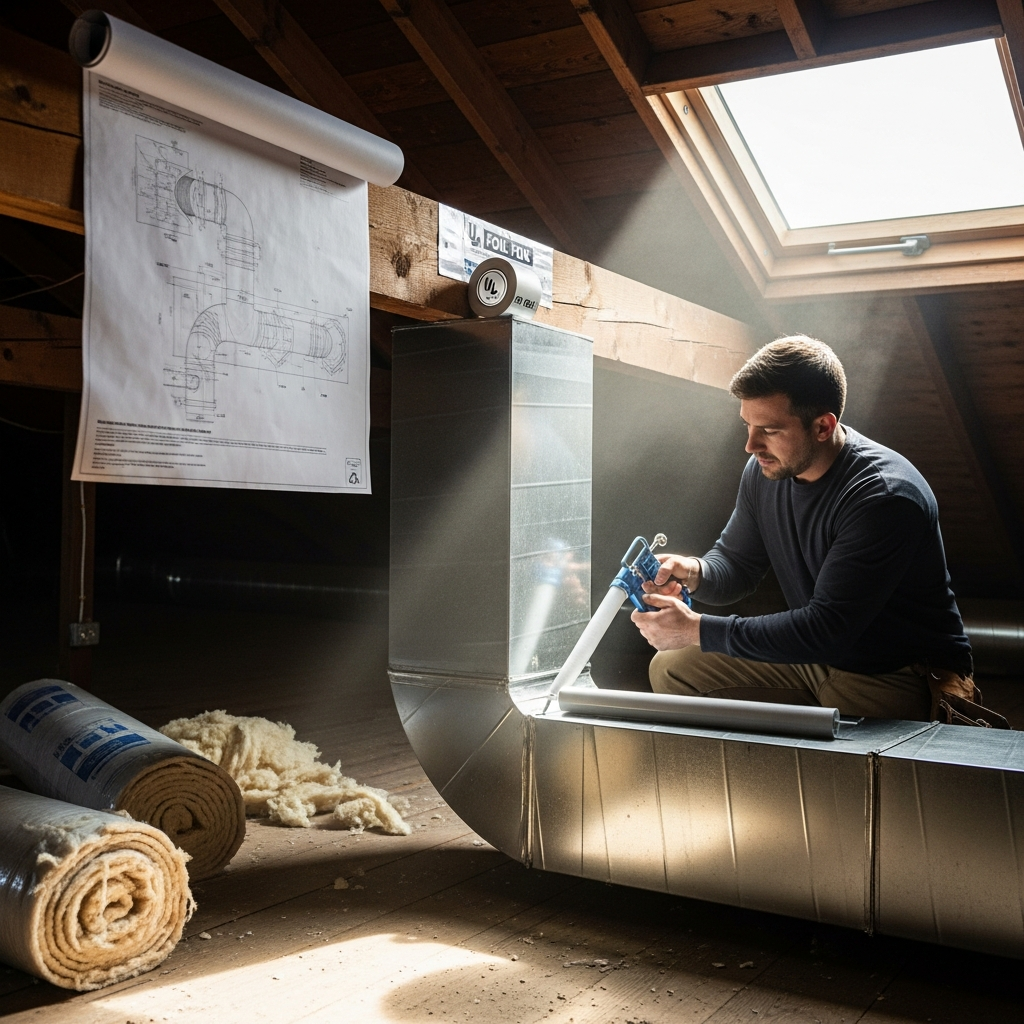
Installing or upgrading air ducts is one of the most influential improvements a homeowner in Somerville, New Jersey, can make for comfort, indoor air quality, and HVAC efficiency. This comprehensive guide explains how duct systems work, what to consider before you begin, and how to avoid common pitfalls during installation. Whether you are overseeing a contractor or learning the fundamentals to be an informed homeowner, the insights below will help you make smart decisions from design to inspection. If you prefer expert help, explore reliable air duct installation services that understand local homes and seasons.
Somerville’s climate brings warm, humid summers and chilly winters, so your ductwork must handle both cooling and heating demands without energy waste. Poorly sized or leaky ducts can cause hot and cold spots, noisy airflow, dust issues, and higher utility bills. By choosing the right materials, sealing and insulating thoroughly, and following accepted standards, you can dramatically improve comfort and protect your HVAC investment for years to come.
Beyond the mechanical benefits, a well-designed duct system also influences the health of your living space. Proper return air placement, balanced supply airflow, and airtight connections minimize dust, pollen, and outdoor contaminants from entering the system. They also help control humidity, which reduces the risk of mold growth inside ducts and in building cavities. Thoughtful planning at the start will prevent headaches later and will make maintenance easier throughout the life of your system.
Understanding the role of ductwork in your home
Ducts are the distribution network of your HVAC system, moving conditioned air from the furnace or air handler to rooms and bringing return air back for reconditioning. The system must be designed to deliver the correct airflow at the right static pressure, minimizing resistance and leaks. Every elbow, transition, damper, and grille adds resistance; each must be chosen and installed with care. Even excellent HVAC equipment will underperform if the ducts are poorly planned or installed.
Two factors dominate duct performance: airtightness and correct sizing. Airtightness ensures air goes where it is intended, not into attics, basements, or wall cavities. Correct sizing balances friction losses with adequate velocity, ensuring rooms receive the designed airflow without excessive noise. Together, these elements keep equipment within manufacturer specifications and improve overall system longevity.
Planning for Somerville’s climate and local considerations
In Somerville, winter design temperatures and summer humidity influence everything from insulation levels to return-path strategy. Start by verifying your home’s heating and cooling loads using recognized calculation methods so that your system capacity and duct sizes are grounded in data, not guesswork. Consider zoning for multi-level homes or additions, where temperature differences can otherwise be hard to control. Pay attention to basement and attic conditions; ducts routed through unconditioned areas require robust insulation and sealing to prevent heat gain, heat loss, and condensation.
Local building codes and utility incentives may affect material choices and duct insulation requirements. Before starting any work, verify permit requirements and inspection procedures. If you have a historic home near Somerville’s older neighborhoods, be mindful that framing dimensions, plaster walls, and limited chases may complicate routing. A careful layout avoids structural members, wiring, and plumbing, while still providing accessible service points for future maintenance.
Choosing materials and components
Homeowners typically choose between sheet metal, rigid fiberglass duct board, and flexible duct for different sections of the system. Sheet metal is durable and smooth inside, offering lower friction losses when properly sized and sealed. Duct board provides built-in insulation and can be efficient when fabricated well, though it requires careful sealing on all seams. Flexible duct is useful for short connections in tight spaces, but long runs and sharp bends increase resistance and reduce delivered airflow; as a rule, keep flex runs short, straight, and adequately supported.
Key accessories include supply registers with adjustable dampers, return grilles sized to reduce noise, balancing dampers in accessible locations, and quality mastic or UL-listed tapes for sealing. For condensation control in cooling modes, pay attention to vapor barriers in insulation and avoid compressing insulation around hangers or tight turns. Thoughtful selection of transitions and takeoffs reduces turbulence and balances airflow more predictably.
Sizing, layout, and balancing fundamentals
Correct duct sizing begins with room-by-room load calculations. From those loads, you determine the required cubic feet per minute (CFM) per room and the total airflow the system must deliver. Use recognized duct design methods to select duct diameters that keep friction losses and velocity within recommended ranges. A well-planned trunk-and-branch layout or radial design can work, but the objective is uniform comfort and predictable balancing at the registers.
Return air is as important as supply air. Undersized or poorly located returns cause negative pressure in rooms, pulling in dust from wall cavities and creating door-closure issues. Provide adequate return pathways and avoid over-reliance on door undercuts. In multi-story homes, returns on each level help stabilize temperatures and reduce uneven airflow distribution.
Installation best practices that matter
Air sealing is non-negotiable. Use mastic on all duct joints and fittings; foil tapes should be UL 181 listed and used according to manufacturer instructions. Insulate ducts routed through attics, garages, or basements to minimize energy losses and condensation. Support all ducts at intervals specified by standards to prevent sagging and kinks, particularly with flexible duct. Smooth, sweeping bends and tapered transitions maintain airflow and reduce noise.
Equipment connections deserve special attention. Properly sized plenums, sealed coil cabinets, and airtight filter racks lower bypass leakage and keep the system clean. Accessible, straight filter slots reduce dust infiltration around the filter perimeter. Mid-project quality checks are smart: confirm that trunk lines remain straight, flex ducts have minimal compression, and insulation jackets are intact. If you are partnering with a contractor, ask for static pressure readings and final air balancing to verify performance. Midway through your planning or installation, consider whether certain tasks would benefit from experienced help by scheduling professional air duct installation for complex transitions, tight chases, or final balancing.
Sealing and insulation details
Small leaks add up quickly. Focus on seams near air handlers, takeoffs, elbows, and where ducts penetrate walls or floors. Apply mastic generously and tool it smooth to ensure deep penetration into gaps. For insulation, verify the correct thickness and continuity; even a small gap can become a condensation site in summer. Vapor barriers should face the appropriate side to control moisture migration, and all seams in the jacket must be sealed.
Where ducts pass through unconditioned spaces, protect them from pests and accidental damage. Use protective sleeves or install ducts inside framed chases when possible. Maintain adequate clearance from combustion appliances and follow manufacturer and code requirements for fire safety around furnaces, water heaters, and venting components.
Noise control and comfort refinement
Airborne noise often comes from high velocity, turbulence at fittings, or rattling components. Reduce noise by sizing registers appropriately, avoiding abrupt transitions, and isolating equipment vibrations with suitable materials. Return grilles benefit from lower face velocities to keep noise in check. Thoughtful diffuser and register selection also improves mixing of conditioned air with room air, reducing drafts and hot or cold spots.
Balancing dampers enable fine-tuning after installation. Place them in accessible locations along branches so you can adjust airflow seasonally if needed. While you should not have to rebalance constantly, easy access ensures that the system can adapt as furniture, interior doors, occupancy, and usage patterns change.
Permits, inspections, and documentation
Somerville and the broader New Jersey codes aim to keep homes safe and energy efficient. Pull permits when required and coordinate inspections at specified milestones. Inspectors typically check clearances, materials, sealing, insulation, and overall workmanship. Keep documentation of load calculations, duct sizing, and equipment specifications; if questions arise, you will have a clear record of design intent and field changes.
Photos of concealed duct runs are invaluable, especially behind finished ceilings or walls. Label dampers, trunk lines, and returns where visible. Document filter sizes, recommended replacement intervals, and any special cleaning considerations to make ongoing maintenance straightforward for you or future homeowners.
Common mistakes and how to avoid them
Several recurring errors cause most performance complaints. Oversized equipment paired with undersized ducts leads to short cycling and poor humidity control. Excessive use of flexible duct with tight bends or kinks creates hidden restrictions, reducing delivered CFM to critical rooms. Missing or inadequate returns force air to find its own path, creating noise and dust problems. And finally, weak sealing or missing insulation wastes energy and can lead to condensation and mold concerns.
You can avoid these mistakes by treating design and installation as a single process—do not pick materials until you know your airflow needs and routing constraints. Conduct intermediate walk-throughs to catch issues early. If you are unsure about a particular section, ask for a second opinion or a quick test. A little diligence during installation prevents long-term comfort and efficiency deficits.
Safety, IAQ, and energy efficiency
Safety considerations include maintaining clearances from flues and ensuring that return ducts never draw air from garages, crawlspaces, or furnace rooms in ways that could backdraft combustion appliances. Use sealed, dedicated return pathways that draw from living areas. For indoor air quality, choose filters with appropriate MERV ratings that your system can handle without excessive static pressure. Higher isn’t always better; balance filtration with airflow.
Energy efficiency improves dramatically when sealing and insulation are prioritized. Consider air sealing the home envelope and adding attic insulation alongside duct upgrades; the combined effect often delivers the best comfort and savings. Programmable thermostats and zoning controls further refine performance, but they depend on a well-executed duct system to realize their potential.
Care after installation
Once installed, your ducts need periodic attention. Replace or clean filters on schedule, inspect visible ducts annually for loose connections or damaged insulation, and keep supply registers and returns free of obstructions. After remodeling or major furniture changes, reassess airflow to ensure rooms still receive adequate supply and that return air remains unimpeded. If you detect persistent dust, odors, or temperature swings, investigate early; minor adjustments now can prevent larger issues later.
In Somerville’s seasons, pay special attention to condensation during summer and dryness during winter. Watch for signs like water staining on insulation, musty smells, whistling sounds at joints, or rooms consistently out of range of your thermostat setpoint. Addressing these quickly preserves the integrity of your system and keeps your home comfortable.
Frequently asked questions
Q: How long does a typical residential air duct installation take?
A: Timelines vary with home size, accessibility, and whether old ducts are being removed. A straightforward replacement can be completed relatively quickly, while complex layouts, multi-story routing, or significant structural constraints take longer. Always allow time for testing and balancing at the end.
Q: What is the best duct material for my home?
A: Each material has strengths. Sheet metal is durable and efficient when sealed, duct board integrates insulation, and flex duct is useful for short connections. Most systems use a combination chosen for performance and practicality.
Q: Do I need returns in every bedroom?
A: Not always, but you must provide a reliable return path. Some homes use hall returns with dedicated transfer paths from bedrooms. The goal is to avoid pressure imbalances and ensure steady circulation.
Q: How can I reduce duct noise?
A: Keep velocities within recommended ranges, use smooth transitions, and size registers appropriately. Isolate equipment vibration and position returns to minimize turbulence and whistle at the grille.
Q: Should I insulate ducts in conditioned spaces?
A: When ducts run entirely within the thermal envelope, insulation is less critical for energy; however, sound control and condensation risks may still justify insulation in certain locations.
Q: How do I know if my ducts are leaking?
A: Signs include dust around joints, uneven temperatures, high energy bills, and whistling sounds. A duct leakage test can quantify losses and identify problem areas for sealing.
Q: What is static pressure and why does it matter?
A: Static pressure is the resistance the blower works against. Too high, and airflow drops; too low, and control can be poor. Proper sizing, clean filters, and balanced dampers keep static pressure in check.
Q: Do permits matter for ductwork?
A: Yes. Permits and inspections ensure safety, performance, and code compliance. They protect you and the value of your home by documenting quality installation.
Move forward with confidence
If you want a comfortable, efficient home in Somerville, your duct system is the foundation. With careful planning, correct sizing, committed sealing and insulation, and proper balancing, you will enjoy consistent temperatures, quieter operation, and healthier indoor air. When you are ready to ensure every detail is handled correctly—from layout to final test—schedule trusted air duct installation and enjoy lasting comfort through every season.
