Somerville, New Jersey kitchens operate under safety and hygiene standards designed to reduce fire risk and protect public health. Understanding the requirements for kitchen exhaust hood cleaning can help owners and managers keep pace with inspections, avoid violations, and provide a safer environment for staff and guests. Whether you run a quick-service venue or a full-service restaurant, this overview explains the major requirements, how they apply to different cooking operations, and what documentation you need on hand. If you prefer expert support aligning with these expectations, local professionals specializing in kitchen hood cleaning can streamline compliance with recognized industry standards.
Core Principles Behind the Requirements
Grease-laden vapors from cooking collect in the hood canopy, filters, plenum, ducts, and the exhaust fan. Without regular cleaning, this residue becomes a significant fire hazard and a source of poor indoor air quality and odors. Requirements emphasize thorough, verifiable cleaning of the entire air path, not just a cosmetic polish of the canopy. They also prioritize safe access to components and proper protection of the building, including roof surfaces, during maintenance.
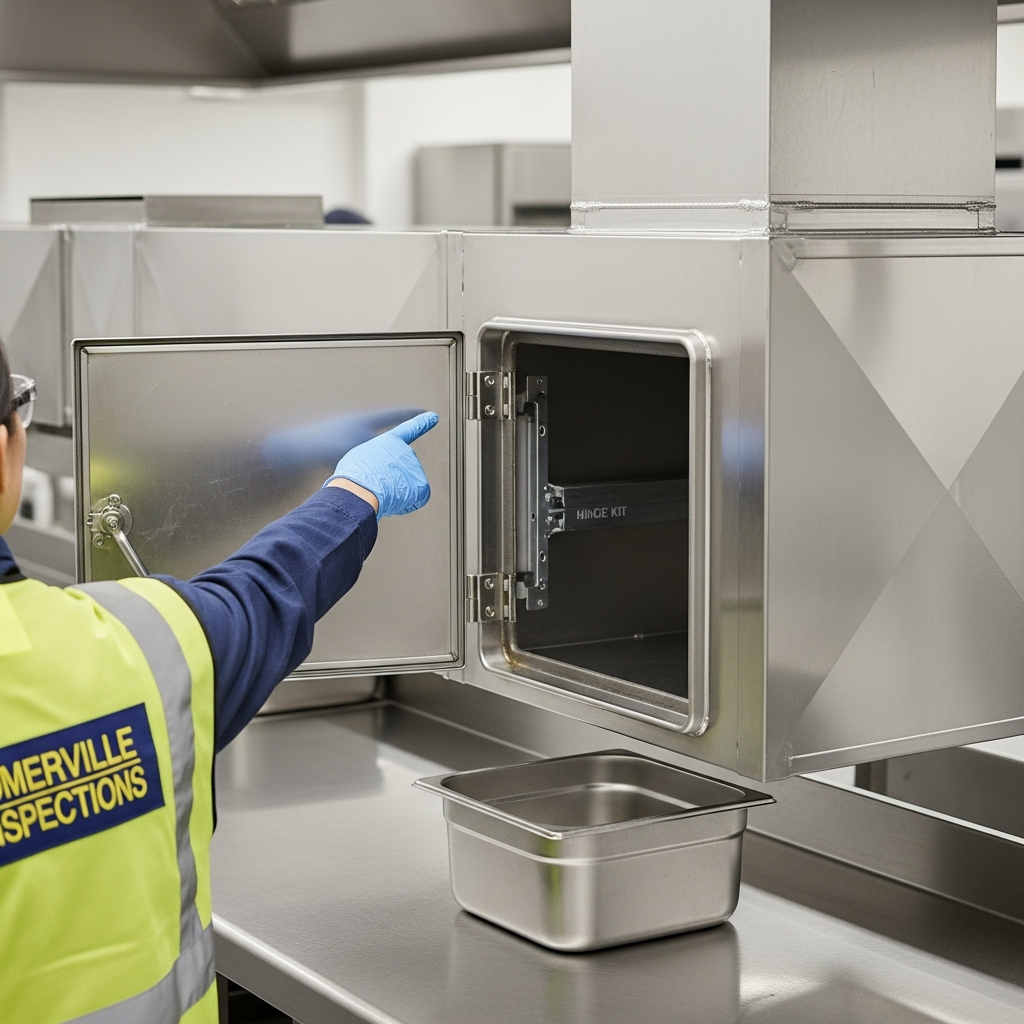
In Somerville, enforcement typically references nationally recognized standards such as NFPA 96. Inspectors focus on the presence of access panels for duct cleaning, hinge kits for rooftop fans to allow safe opening, and effective grease containment that prevents roof damage and runoff. They also look for accurate tagging and documentation that establishes a consistent cleaning history.
Frequency Requirements by Operation Type
Cleaning intervals are not one-size-fits-all. High-volume operations or those using high-grease methods such as frying, charbroiling, and wok cooking often require more frequent service. Lower-volume or seasonal kitchens may be able to follow longer intervals. The key is to monitor actual grease accumulation and adjust your schedule to maintain safe, clean surfaces throughout the system.
If your menu or hours expand, revisit your schedule. Spikes in business, catering volumes, or special events can increase grease deposition quickly. Likewise, adding new equipment, such as a charbroiler or a bank of fryers, often necessitates more frequent cleaning to remain compliant.
Access and Equipment Requirements
Safe, complete cleaning depends on access. Inspectors expect properly sized and located access panels along duct runs so technicians can reach and clean interior surfaces. Rooftop fans should be installed with hinge kits that allow the housing to open without straining wiring or damaging the curb. Grease containment on the roof should capture runoff and be maintained to avoid overflow. These elements are essential both for safety and for achieving the level of cleaning envisioned by the standards.
Filters must be correctly sized, installed in the right orientation, and free of damage that would allow bypass. Light lenses should be intact and compliant for use over cooking surfaces. Where applicable, clearances to combustibles must be maintained, and sealing or gasketing should be intact to prevent air leaks that reduce capture efficiency.
Cleaning Methods and Verification
Acceptable methods typically include a combination of degreasing, scraping, and rinsing or wiping to remove residue from all accessible surfaces. Heated pressure washing and foaming may be used when supported by proper containment. The key is that the result be a clean, grease-free surface along the entire accessible path, documented with photos and a dated tag at the hood. If areas are inaccessible due to missing panels or design limitations, note these deficiencies and plan corrective actions.
After cleaning, the system should be reassembled correctly, with filters dry and seated, access panels sealed, and the fan verified for smooth operation. Tagging the hood with the date and next recommended service window demonstrates that you are following a plan, and records should be kept on-site for reference during inspections.
Coordination With Other Safety Systems
Hood cleaning intersects with fire suppression systems, which often include fusible links and nozzles. During cleaning, protect and avoid damaging these components. Coordinate service schedules so that suppression testing and hood cleaning complement each other rather than conflict. Ensure that switch labeling and emergency shutoffs are visible and operational, and that staff know basic response steps if smoke or fire occurs at the line.
Ventilation balance is another consideration. Strong capture at the hood depends on make-up air supply. If your team notices persistent smoke or heat at the line even after cleaning, investigate whether supply fans are running properly and whether dampers or filters in the make-up air system need attention. A holistic approach leads to better overall performance.
Documentation and Inspection Readiness
Maintaining clear, organized records is central to meeting Somerville’s expectations. Keep logs of service dates, areas cleaned, and any repairs or upgrades. File photo reports to show before-and-after conditions. Place a legible, dated tag on the hood to help inspectors verify the most recent service at a glance. If your system lacks required access or hinge hardware, record the deficiency, plan the fix, and retain evidence of completion once resolved.
During inspections, be ready to discuss your cleaning frequency, how it was determined for your operation, and how you adjust for seasonal or menu changes. Demonstrating that your plan is responsive to actual operating conditions reinforces your commitment to safety and compliance.
Common Pitfalls to Avoid
Relying solely on exterior shine is a mistake; the most hazardous grease typically accumulates in ducts and the fan. Skipping access hardware leads to partial, ineffective cleaning. Failing to protect roofs during service can cause costly damage and create slipping hazards. Inadequate containment and disposal of runoff is another frequent concern. Finally, poor documentation can turn a well-maintained system into a compliance headache if you cannot prove what was cleaned and when.
When Professional Help Is Advised
Long duct runs, multi-story buildings, and tight mechanical spaces make complete cleaning challenging without specialized equipment and training. Professional crews can install access panels and hinge kits, implement robust containment, and deliver photo-verified results. For many Somerville kitchens, partnering with a team dedicated to kitchen hood cleaning ensures you meet requirements efficiently while minimizing downtime.
Frequently Asked Questions
How do I determine the right cleaning frequency? Base it on cooking methods and volume, then adjust after monitoring grease buildup over a few cycles. High-heat, high-grease operations require more frequent service.
What must be on the hood tag? At minimum, include the date of service and the next recommended service date. Some operators also list provider contact information, but the essential purpose is to verify the last cleaning.
Are access panels mandatory? If ducts cannot be effectively cleaned without panels, adding them is typically necessary to meet the intent of recognized standards and to provide a verifiable cleaning path.
Do I have to clean the rooftop fan every time? The fan is part of the grease path and should be inspected and cleaned on the same cycle as ducts to maintain safety and performance.
Can my staff handle all requirements? Staff can perform daily wipe-downs and weekly filter washing, but full-system cleaning and documentation often demand specialized tools and training to meet expectations fully.
Staying Ahead of Requirements
Combine staff routines with scheduled professional service, maintain thorough records, and plan for hardware upgrades that improve access and safety. This integrated approach keeps your kitchen safer, reduces surprise repairs, and makes inspections predictable and quick.
Ready to simplify compliance?
Align your operation with local expectations and reduce stress during inspections by working with a knowledgeable partner. Book dependable kitchen hood cleaning to gain photo-documented results, practical scheduling, and a clear path to ongoing compliance in Somerville.
