
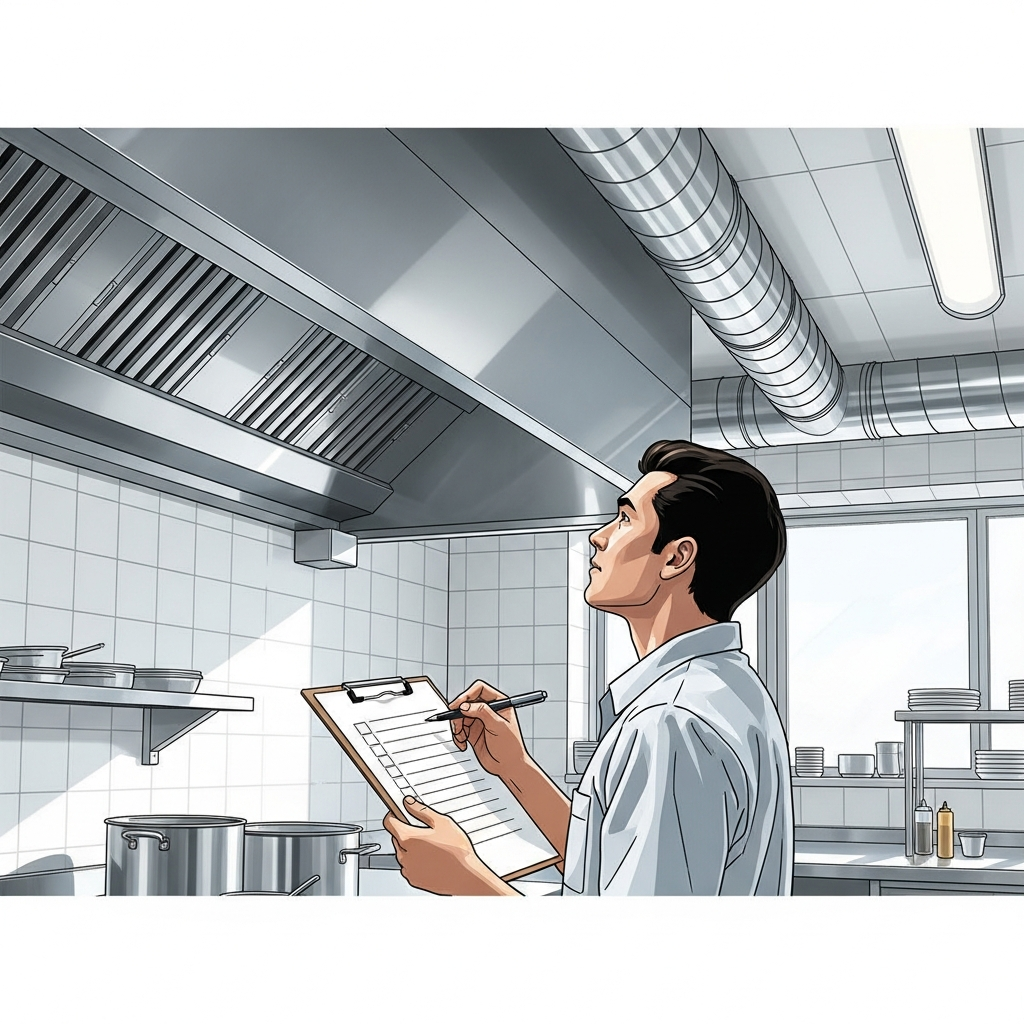
Introduction: A Practical Checklist for Somerville Commercial Kitchens
Running a commercial kitchen means balancing speed, safety, flavor, and consistency—often all at once. A clear, repeatable hood cleaning checklist keeps everything on track by ensuring the capture-and-exhaust system removes heat, smoke, and grease-laden vapors effectively day after day. This comprehensive resource is tailored for restaurants, cafés, caterers, and institutional kitchens in Somerville, New Jersey. It outlines daily, weekly, and periodic tasks, along with training and documentation habits that support compliance and fire safety. If you prefer expert verification or need deep-clean support beyond everyday routines, align your calendar with professional kitchen exhaust hood cleaning to round out your maintenance program.
A reliable checklist does more than keep things tidy. When thoughtfully implemented, it safeguards indoor air quality, protects your exhaust fan and ductwork, and helps your team move confidently through rushes. The following sections break down what to do, when to do it, and how to confirm it was done correctly—so your hood system remains a quiet teammate rather than a noisy liability.
Daily Tasks: Keep Capture Efficient Between Rushes
Start and end each day by confirming the basics. Before service, flip on the hood and listen for steady fan operation without rattling or scraping. Walk the line and feel for consistent pull along the hood opening. If pull is weak near a high-heat station, note it for mid-shift attention. Wipe the canopy lip and accessible plenum edges with a food-safe degreaser to prevent fresh mist from bonding to old residue. After the lunch or dinner rush, repeat the wipe-down, paying special attention to corners where sticky films can start.
Clean or swap out the grease cup or trough as needed so it does not overflow during heavy cooking. Confirm make-up air is present; if doors slam shut or you feel backdrafts, airflow may be unbalanced. Finally, walk the roof or service hallway (if accessible and safe) to listen for unusual fan noises. A quiet, steady hum is your goal; squeals or grinding noises should be logged and investigated before the next service.
Weekly Tasks: Filter Care and Visual Checks
At least once a week—more often for fryer-heavy menus—remove and clean baffle filters thoroughly. Use a hot-water soak with a non-caustic degreaser, scrub along the baffle direction, rinse until suds are gone, and dry completely before reinstalling. While filters are out, wipe the track and interior canopy edges. Inspect filter frames for warping, cracked welds, or loose components. Any filter that rattles or will not seat solidly should be tagged and replaced with a spare.
Do a flashlight inspection up into accessible plenum areas. You are not attempting a deep clean, just confirming no heavy residues are forming beyond what your schedule anticipates. If you spot dark, sticky buildup in places you cannot safely reach, log it and consider advancing periodic professional service to avoid airflow restriction and fire hazards.
Monthly Tasks: Fan, Belt, and Seal Observations
Once per month, add a slightly deeper set of checks. Confirm that the fan belt (if belt-driven) is tensioned correctly and that the pulley spins smoothly. Look for frayed edges or shiny glaze on the belt that suggests slippage. Check fan housing fasteners you can access safely and confirm there are no signs of rubbing or misalignment. Verify that any access panels are closed and gasketed firmly to maintain negative pressure in the duct.
Examine the hood’s light fixtures and lenses; clean hazy lenses that dim the line and make it harder to monitor smoke and steam. Replace bulbs proactively so you are never troubleshooting in the dark during peak service.
Quarterly Tasks: System Validation and Documentation Review
Every quarter, review your whole log. Are certain stations generating more soil? Are complaints about smoke or odor clustered on busy nights? Use patterns to adjust cleaning intervals, add midweek filter cycles, or trial upgraded filters if compatible. A quarterly validation may include airflow spot checks with a ribbon or small strip of parchment to ensure even capture, staff refreshers on safe soak techniques, and verification that make-up air diffusers are clean and unobstructed.
This is also a good moment to coordinate with outside support, especially if your menu changes or seasonal events add volume. Scheduling periodic kitchen exhaust hood cleaning ensures hidden sections of the duct, fan blades, and plenum spaces receive professional attention and documentation—peace of mind for owners and managers alike.
Training: Empower Your Team
Consistency depends on training. Develop a concise, visual SOP that shows how to remove filters safely, measure degreaser, set soak times, rinse thoroughly, and dry filters before reinstalling. Emphasize PPE—cut-resistant gloves and eye protection—and safe handling of hot water. Teach staff to recognize early warning signs like uneven capture at the hood edge, unusual fan noises, or recurrent smoke even during light cooking.
Designate a shift lead to confirm completion of daily and weekly tasks, sign the log, and escalate issues promptly. Cross-train dish and line staff so that filter swaps are never delayed by a single person’s absence. Consider short refreshers after menu or equipment changes so everyone stays aligned.
Documentation: What to Track and Why It Matters
Documentation tells the story of your hood system’s health. Record dates of filter cleanings, initials of the employee who performed them, detergent brand and dilution, and any notable observations (warping, rattling, persistent soil). Note fan belt inspections and small repairs, and attach photos during quarterly validations to show steady conditions. These records help with audits, demonstrate diligence to insurers and inspectors, and guide proactive maintenance before minor issues become shutdowns.
Maintain a parts log listing filter sizes, quantities, and sources. When a frame cracks or a baffle loosens, you will know exactly what to order without delaying service. Keep your professional service reports with the same file so you have a complete picture at a glance.
Common Pitfalls and How to Avoid Them
One common mistake is allowing filters to air-dry inside the hood after a quick rinse. Residual water and detergent can streak and attract soil faster, undoing your work. Another pitfall is relying on overly harsh chemicals to do the job quickly; this can pit stainless steel and shorten filter life. Skipping the canopy wipe-down is also risky because residues at the lip will migrate back onto freshly cleaned filters as soon as the fan starts. Finally, do not ignore unusual fan noises—address them early before a minor belt issue leads to a sudden loss of capture right before dinner service.
Teams sometimes forget to check grease cups until they are nearly full. Add a quick cup check to the end-of-rush wipe-down, and empty it before topping off. Small habits like this prevent slippery floors and last-minute emergencies.
Somerville-Specific Considerations
Somerville’s seasonal swings can change kitchen dynamics. In winter, tighter building envelopes limit fresh air infiltration, so your make-up air balance is more critical; weak make-up air can cause doors to stick and odors to linger. In the humid summer, filters may take longer to dry completely; plan accordingly so they are not reinstalled damp. Busy local events can increase volume unpredictably—use your log to anticipate and temporarily shorten filter-clean intervals around festivals or game days that draw crowds.
Supplier and Equipment Notes
Keep the MSDS or SDS for your selected degreaser on file and train staff to handle accidental splashes or spills. If you use a soak tank, establish a change-out calendar so solution effectiveness remains high. For dish machines used as a secondary rinse, verify the cycle’s temperature and detergent do not conflict with your primary soak chemistry. If filters include aluminum, confirm compatibility before using alkaline detergents that could tarnish or pit the metal.
Verification After Each Cleaning Cycle
After filters are reinstalled, run the hood with a low-load cooking simulation—such as heating a lightly oiled pan—and watch for capture performance. Hold a small ribbon at several points along the hood edge; it should draw inward consistently. Smell the air for lingering odors that should dissipate quickly. If performance is inconsistent, reseat filters, rotate positions to see whether a particular filter affects capture, or replace a suspect unit with a spare.
Frequently Asked Questions
Q: How often should we clean filters in a high-volume fryer kitchen? A: Many operations clean filters multiple times per week or even daily during peak seasons. Track soil patterns and adjust the interval as needed.
Q: Can we rely on the dishwasher alone? A: Dish machines can help, but a proper hot-water soak with a suitable degreaser is usually necessary to dissolve heavy grease, followed by a thorough rinse and complete drying.
Q: What are signs our fan needs attention? A: Squealing belts, scraping sounds, vibration, and reduced capture indicate inspection is due. Address issues before service to avoid downtime.
Q: Are aluminum filters acceptable? A: Aluminum can be used in some applications, but it requires compatible detergents and gentler handling. Stainless baffles are more common in commercial kitchens for durability.
Q: What should our log include? A: Dates, initials, detergent details, observations on filter condition, fan belt notes, and any photos from quarterly validations or professional service reports.
Q: What if we notice grease inside the plenum beyond the filters? A: Schedule professional service promptly. Hidden accumulations can escalate fire risk and reduce airflow long before symptoms appear on the line.
Bring It All Together
A strong cleaning checklist is a living document that reflects your menu, volume, and staffing realities. Start with the essentials, empower your team to follow through daily and weekly, and validate quarterly so nothing slips. Keep spares on hand, maintain clear documentation, and calibrate your approach with help when volume spikes or your menu evolves. When you need confidence that the entire system—from canopy to duct to fan—matches your in-house routine, coordinate with experienced kitchen exhaust hood cleaning professionals to keep your Somerville kitchen running clean, safe, and inspection-ready.
