Professional Dryer Vent Installation Services in Somerville, New Jersey
Professional dryer vent installation is an investment in safety, efficiency, and peace of mind. In Somerville, New Jersey—where historic homes stand alongside modern condos—every laundry space presents unique challenges. A seasoned installer designs a route that respects your home’s structure, meets code, and preserves airflow. This comprehensive overview explains how professional services add value, what to expect during the process, and how to keep your system reliable for years. If you are just starting your research, it helps to review local guidance on dryer vent installation to see how materials and routing affect performance in our climate.
Dryers rely on a clear path for moist air and lint to exit the building. When vents are poorly designed or constructed with subpar materials, cycles take longer, appliances run hotter, and fire risk increases. Quality installation addresses each of these concerns, providing a durable system that is easier to maintain and kinder to your dryer.
What Sets Professional Installation Apart
Experience matters. Professionals begin with a site evaluation to map the shortest, straightest route to an exterior wall while considering structural members, utilities, and aesthetics. They calculate equivalent length, select materials accordingly, and plan terminations that balance performance and curb appeal. Where masonry or specialized siding is involved, they use the right tools and sealing methods to protect the building envelope.
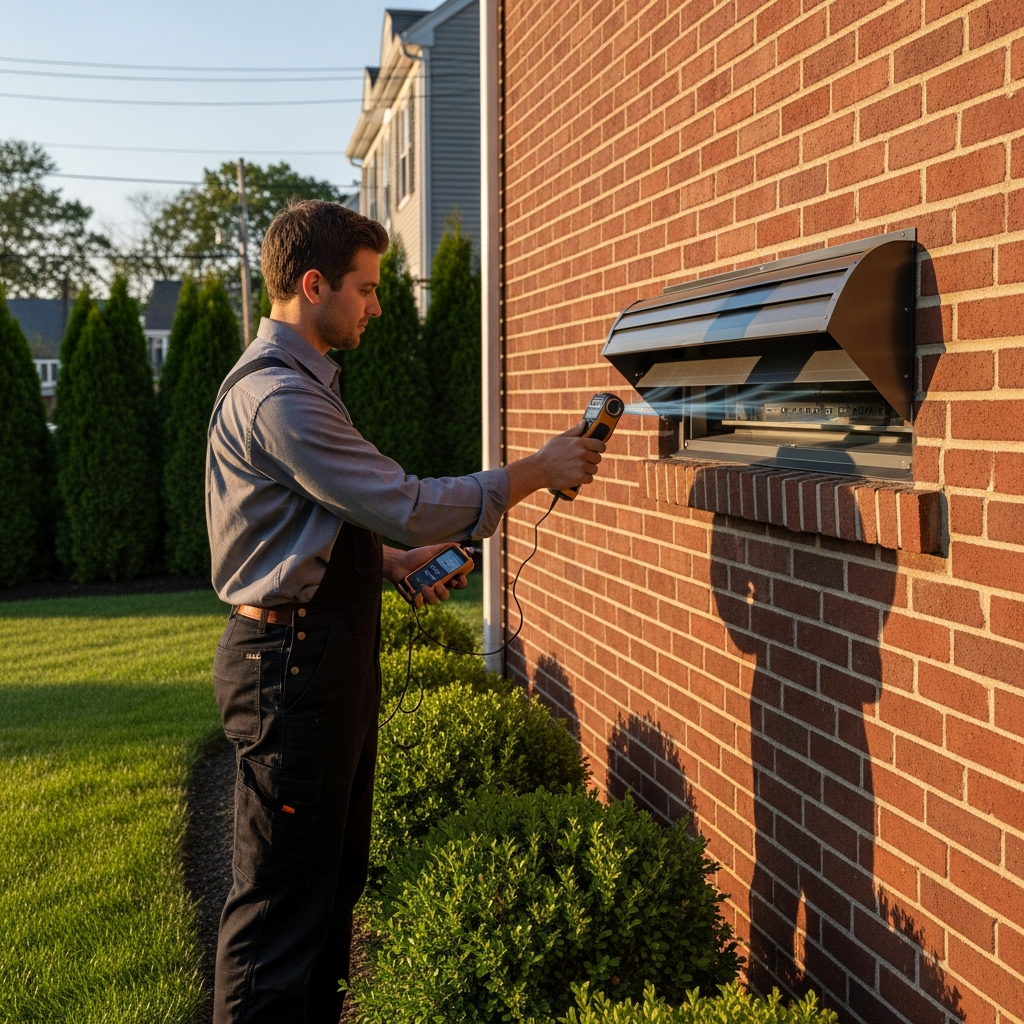
Beyond assembly, professionals measure what they build. Airflow verification, damper checks, and leak testing help ensure that the finished system performs as designed. This testing mindset reduces callbacks and confirms that your dryer can operate within typical cycle times.
Material Choices That Make a Difference
Smooth, rigid metal duct for the main run is the foundation of a reliable system. Semi-rigid aluminum is sometimes used as a short connector behind the dryer, but it should not replace rigid duct over longer distances. Wide-radius elbows reduce turbulence, and metal foil tape seals joints securely. Exterior caps with low-resistance dampers and appropriate openings are crucial for airflow and pest deterrence.
Professional installers also think ahead about maintenance. Straight runs, minimal elbows, and accessible connectors make routine cleaning faster and more effective. Over time, these details translate into consistent performance and fewer headaches.
Local Knowledge in Somerville
Somerville’s housing variety introduces practical variables. Older homes may have plaster walls, balloon framing, or masonry that require precise coring and careful sealing. Townhomes and multifamily buildings can limit termination locations or require approvals. Basements add vertical changes that influence equivalent length. A local professional understands these realities, coordinates with building management when needed, and navigates any permitting considerations.
Climate also matters. Cold winters increase condensation risk in ducts passing through unconditioned spaces, and humid summers can magnify the effects of marginal airflow. Proper routing and sealing help the system perform consistently year-round.
The Professional Process, Step by Step
Consultation and assessment set the stage. The installer reviews your dryer model, the room layout, and potential routes. They identify the best termination point, plan penetrations, and confirm clearances. Materials are selected based on the calculated equivalent length and your home’s construction. On installation day, expect careful protection of finishes, precise drilling or coring, assembly of rigid duct with sealed joints, and installation of a quality exterior cap.
After assembly, commissioning includes airflow measurement where possible, observation of damper movement, and verification that the dryer runs within normal temperatures and dry times. Before leaving, the technician explains maintenance schedules, how to avoid crushing the connector, and what changes to watch for that might indicate a developing restriction.
Why Not DIY?
Many homeowners are capable DIYers, but dryer vent installation carries risks when details are missed. Long or twisted runs, flimsy flex duct, undersized caps, or poorly sealed penetrations can undermine performance and safety. If your route passes through masonry, finished ceilings, or shared walls, the tools and techniques required may exceed typical DIY setups. Professionals bring the right equipment, experience, and testing protocols to deliver a result you can trust.
That said, informed homeowners make excellent partners. Understanding the basics helps you ask focused questions and evaluate proposals on more than general promises.
Performance and Safety Benefits
With a professional installation, you should expect faster dry times, less heat in the laundry room, and reduced lint accumulation. The dryer works within intended parameters, which supports longevity and reliability. Proper terminations with effective backdraft dampers protect against pests and outdoor air infiltration. Thoughtful sealing and flashing at penetrations help keep moisture out of walls, preserving the building envelope.
A well-designed vent also streamlines maintenance. Straight, accessible runs are easier to clean, and documented equivalent lengths guide service intervals. When airflow is strong, the system resists lint accumulation, minimizing the chances of nuisance error codes or overheating.
Maintenance After Professional Installation
Plan for periodic vent cleaning based on usage. Households that run multiple loads daily or that launder high-lint fabrics benefit from shorter intervals. Seasonal checks of the exterior cap—especially after storms or during freezing weather—catch issues early. If you notice longer drying times or a damper that barely opens, schedule a cleaning or inspection.
Keep the connector behind the dryer properly formed and untwisted. When moving the appliance for cleaning or other work, confirm that the connector has not been crushed. A small kink can dramatically reduce airflow.
Questions to Ask Your Installer
Ask how they calculate equivalent length and choose materials. Inquire about the specific termination cap and how it balances airflow with pest control. Request details on sealing methods and how penetrations will be flashed or weatherproofed. Confirm that post-installation testing is included and ask for guidance on maintenance schedules tailored to your household’s laundry habits.
Also discuss future access. A route that is slightly more complex to install but easy to clean may reduce service needs and maintain performance over time.
Frequently Asked Questions
Q: Do professional installers always use rigid metal duct? A: For the main run, yes, because it promotes airflow and durability. Semi-rigid aluminum may connect the dryer to the wall in tight spaces, but it is not a substitute for rigid duct over distance.
Q: Can the vent share a duct with another appliance? A: No. Dryer vents must be dedicated to the dryer to avoid safety and performance problems.
Q: How long should my vent be? A: The acceptable length depends on the dryer model, number of elbows, and code guidance. Professionals calculate equivalent length to keep airflow strong.
Q: What are the signs I need cleaning or rerouting? A: Longer dry times, excessive heat in the laundry room, or a damper that barely opens may indicate restriction. Lint around the termination is another clue.
Q: Will installation damage my walls? A: Professionals core and seal carefully to minimize disruption. Penetrations are cut to size and weatherproofed to protect the building envelope.
Q: Do I need approval from my HOA or management? A: In townhomes or multifamily buildings, approvals may be required. Local professionals can help you navigate the process.
Partnering for Long-Term Reliability
Choosing professional dryer vent installation is about long-term confidence. You are investing in safe airflow, efficient drying, and a system that is easier to maintain. With route design tailored to your home, quality materials, and measured performance, you can expect years of dependable service.
If you are ready to upgrade your vent, relocate a laundry area, or resolve persistent drying issues, connect with a local team that treats every home as unique and verifies results with testing. For evaluation and scheduling with Somerville specialists, request expert dryer vent installation services that fit your layout and lifestyle.
