
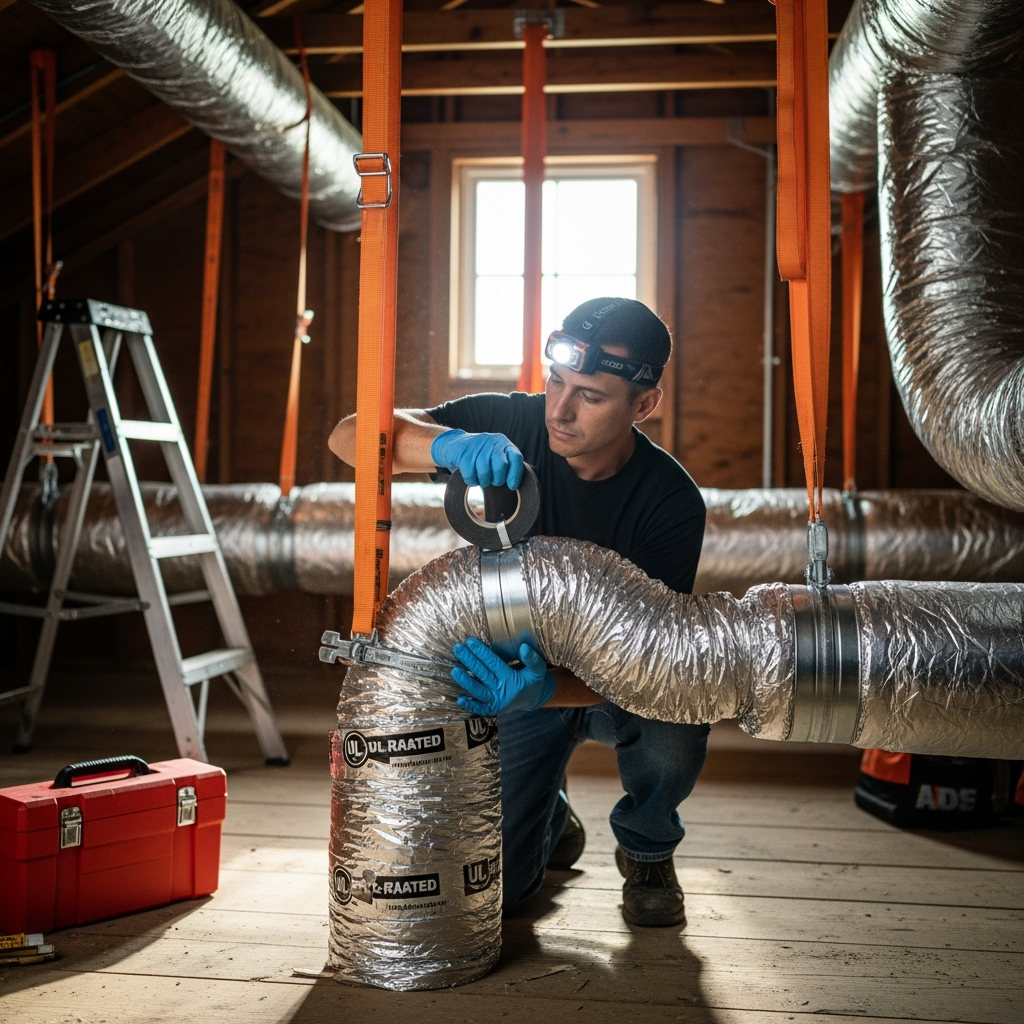
Flexible Ductwork: When a Quick Fix Works and When to Call a Pro
Flexible duct is common in Somerville, New Jersey homes because it routes easily around framing and allows convenient connections to registers. Yet its strengths—light weight and bendability—also make it vulnerable to kinks, crushing, and loose connections. Knowing when a do‑it‑yourself approach fits and when professional tools and training are essential will save you time and protect your system. If symptoms are spreading or the same trouble keeps returning, scheduling skilled air duct repair is the most reliable route to a lasting result.
Flexible lines usually branch off a rigid trunk. The transition point is critical: it needs mechanical fastening and an airtight seal. Over time, movement, attic heat, and storage mishaps can weaken that junction. Elsewhere, tight turns or sagging spans add resistance that starves downstream rooms of airflow.
DIY Tasks That Make Sense
If you can safely access your attic or basement and the issue is minor, a few homeowner‑friendly steps can help stabilize performance:
- Gently straighten visible kinks to open the airway
- Add or tighten straps to support long horizontal runs
- Clear storage boxes away from duct runs to prevent crushing
- Ensure insulation sleeves are intact and pulled snug without gaps
- Confirm that registers and returns are fully open and unobstructed
These actions do not require specialized tools and can quickly restore comfort to rooms suffering from mild airflow restrictions. If a connection appears slightly loose, resist the urge to apply general‑purpose tape; it rarely holds under heat and movement.
DIY Boundaries: Signs You Should Stop and Call
Some conditions call for professional attention:
- Repeatedly crushed or brittle flexible sections
- Visible tears, missing insulation sleeves, or damp insulation
- Loose or separated connections at metal collars
- Persistent whistling or rattling that returns after simple adjustments
- Registers that remain weak or noisy even after basic corrections
These problems indicate deeper issues at transitions, support spacing, or routing design. Pros use the right fasteners, mastic, and tapes rated for duct systems, and they know how to prepare surfaces so seals last.
How Pros Repair Flexible Duct the Right Way
A professional visit focuses on three things: secure connections, open pathways, and durable sealing. Expect to see these steps:
- Removing failed tape, cleaning surfaces, and prepping for new seals
- Fastening flexible duct to metal collars with clamps or screws
- Applying mastic and UL‑rated foil tape to lock connections airtight
- Re‑routing or gently reshaping tight bends to reduce resistance
- Adding hangers to long spans to prevent future sagging
- Refreshing or replacing damaged insulation sleeves
When flexible duct is too damaged to trust, a short replacement section may be recommended. The goal is to create a smooth, supported pathway with secure transitions so airflow stays steady and quiet.
Performance and Comfort Checks
After repairs, technicians run the system and verify improvements at the register level. They listen for whistling and feel for even, stable airflow. If balance issues remain, they may adjust boots or recommend minor design changes in a follow‑up visit. Good documentation with photos helps you see exactly what changed and why it matters.
Protecting Flexible Duct for the Long Haul
Preventative habits preserve results and extend the life of flexible runs:
- Keep storage clear of ductwork in attics and basements
- Replace filters on schedule to reduce strain on the system
- Do not force tight bends to make room for stored items or new wiring
- Ask for support spacing checks during seasonal maintenance
- Monitor rooms after storms or renovations for new noises or airflow shifts
These small steps reduce accidental damage and help you catch new issues before they spread.
Why Professional Methods Outperform Quick Patches
It is tempting to reach for household tapes or improvised straps, but flexible duct demands purpose‑built materials and installation. Proper clamps and screws, followed by mastic and foil tape, create seals that hold despite vibration and temperature swings. This disciplined approach not only restores airflow but also keeps dust and attic odors from entering living spaces through gaps.
If you have already tried basic adjustments without success, it is time to bring in a Somerville team that specializes in targeted, lasting solutions. Booking expert air duct repair ensures your flexible lines are secured, supported, and sealed according to best practices.
Frequently Asked Questions
Q: Can I tape a small tear in flexible duct? A: Household tapes fail under heat and movement. A professional will evaluate whether a patch with proper materials is feasible or whether a short replacement section is the safer, longer‑lasting choice.
Q: How much sag is acceptable? A: Long horizontal runs need regular supports to prevent pooling and resistance. A technician can adjust hanger spacing to maintain smooth airflow without sharp dips.
Q: Why does a register still sound like it is fluttering after I straightened a kink? A: The issue may be at the collar connection or boot. If air is escaping or a boot is loose, noise can persist even when the visible run looks fine.
Q: Will fixing flexible ducts make my system quieter? A: Often, yes. Removing restrictions and securing transitions reduces turbulence and vibration that cause noise.
Q: How do I avoid future damage? A: Keep pathways clear, avoid leaning items on ductwork, and include a quick duct check during routine HVAC service.
Get Reliable Airflow Back
When flexible duct problems interrupt comfort, do not rely on temporary fixes. A focused visit from a Somerville specialist will secure connections, open pathways, and stabilize airflow for the long term. Schedule professional air duct repair to restore quiet, consistent performance and protect your system from repeat issues.
