
Your Guide to a Smooth Sealing and Repair Visit
Sealing and repairing ductwork may happen behind walls, above ceilings, or in attics you rarely visit, but the outcome shows up everywhere you live: steadier temperatures, cleaner air, and a system that does not have to work as hard to deliver comfort. In Somerville, New Jersey, homes range from historic structures with tight access points to newer builds with flexible branch runs and long attic spans. Knowing what to expect when a professional team arrives helps you prepare, ask good questions, and get the most value from the visit. If you have been weighing your options, scheduling expert air duct repair is a practical step toward preventing small gaps from growing into larger issues that disrupt airflow.
Good repairs are part science, part craftsmanship. The science involves understanding pressure, airflow, and heat transfer. The craftsmanship lies in how joints are sealed, how flexible lines are supported, and how access points are created and re‑sealed so they do not become future leak sites.
Before Technicians Begin
Expect a short conversation about your home’s history, recent renovations, and the symptoms you notice—uneven rooms, sudden noise, odors, or visible damage. Clear paths to key areas: the air handler or furnace, main trunks, and any attic or crawlspace entries. If you know which registers underperform, point them out; this helps the team prioritize where to look first.
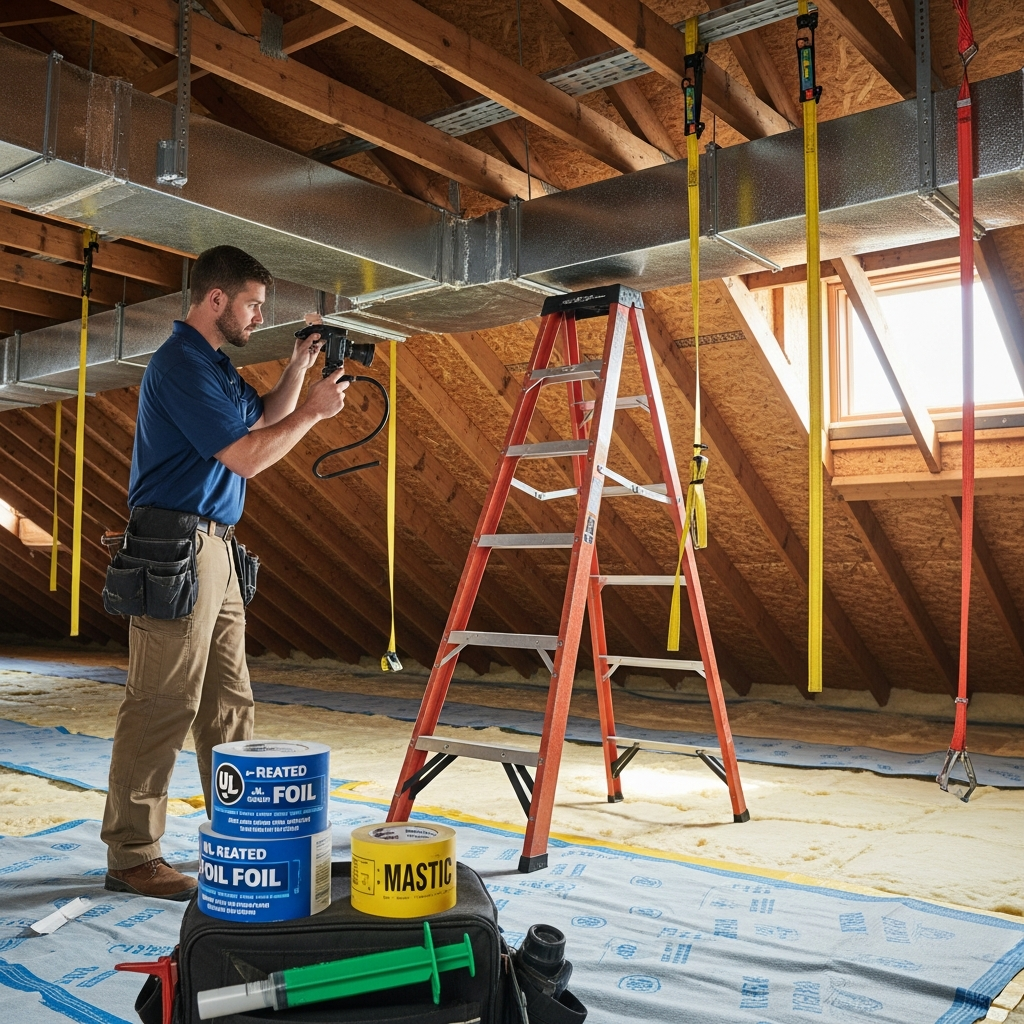
During this stage, crews may set down protective coverings and verify that tools and materials are ready for the conditions they expect—ladders for tall ceilings, compact lights and cameras for tight cavities, and high‑adhesion materials that stand up to temperature swings typical in attics.
The Assessment: Finding and Ranking Issues
Technicians start with a visual inspection of accessible ducts, seams, takeoffs, boots, and transitions. They listen for whistling, rattling, or fluttering that signals a leak or loose connection. Quick temperature or airflow comparisons at multiple registers reveal which branches are underperforming. This blend of observation and measurement guides a prioritized plan: stabilize major leaks first, secure supports that could allow future movement, then address smaller gaps as time permits.
In Somerville’s mixed housing stock, it is common to find rigid trunks with flexible branches added later. Proper transitions between these materials are crucial. Screws or clamps, followed by mastic and UL‑rated foil tape, form a strong, lasting bond at these junctions.
Sealing and Repair Techniques You Will See
Well‑executed sealing and repair work is methodical. Expect to see these techniques in action:
- Mastic applied generously at seams, takeoffs, and boots for an airtight seal
- UL‑rated foil tape over joints and around collar connections for added reinforcement
- Mechanical fasteners or clamps where flexible duct meets metal collars
- Realignment and gentle reshaping of kinked or crushed flexible runs
- Additional hangers or straps to support long spans and remove stress from joints
- Careful sealing between boots and drywall or flooring to prevent leakage
When insulation sleeves are damaged, technicians may plan a follow‑up to refresh them. Insulation is essential for preventing unwanted heat gain or loss and for reducing condensation on cold supply lines.
Quality Checks During the Visit
After major seals are in place, technicians recheck airflow and listen for changes in sound. The goal is steady delivery with minimal whistling or rattling. At the register level, improved balance often appears rapidly—rooms that lagged behind start to catch up with the rest of the home’s temperature profile. Where necessary, small balancing adjustments and boot reseating help lock in the gains.
Documentation matters. Photos of problem areas and finished repairs help you understand what happened behind the scenes and make future maintenance easier. A good crew will walk you through results in clear language and recommend any follow‑up steps that offer strong value.
What You Can Do Afterward
Once repairs are finished, observe how your home feels over the next few days. With the same thermostat settings, rooms should stabilize more evenly and the system should sound quieter. Keep returns clear of furniture and drapes, replace filters on schedule, and avoid stacking boxes on attic ductwork. Small habits sustain the improvements and protect delicate flexible sections from accidental crushing.
If any symptom returns—a faint hiss at a specific time of day, a new vibration near a register—note when and where it happens and contact your provider. Quick follow‑ups are easier than waiting for a small issue to grow.
How Long Does It Take?
Timing depends on access, the number of leaks, and the need for flexible run adjustments. Simple stabilization visits that seal a handful of major gaps move quickly. More comprehensive projects with long attic spans, multiple weak connections, or tight crawlspaces take longer. Clear communication about milestones keeps everyone aligned and reduces surprises.
Midway through, your team may run the system to verify improvements and decide where to focus remaining time. This is also a good moment to ask questions about materials, future upgrades, or ways to improve ventilation in specific rooms.
Why Professional Work Beats Temporary Fixes
Short‑term patches with general‑purpose tapes do not last under heat and movement. Professional methods rely on materials engineered for duct systems and on installation practices that anticipate vibration, expansion, and contraction. That means you get repairs that endure seasonal shifts and normal system cycling. It also means less mess: proper surface prep and neat application minimize flaking residues and shedding from failed tapes.
For homeowners comparing options, booking skilled air duct repair provides both immediate stabilization and a roadmap for future improvements tailored to your home’s layout and usage patterns.
Frequently Asked Questions
Q: Will sealing affect my home’s ventilation? A: Sealing controls where air moves so it goes through filters and intended pathways. This improves air quality and comfort. If additional fresh‑air strategies are needed, your technician can explain balanced options.
Q: Can you work around limited attic access? A: Yes. Crews use compact tools, cameras, and strategic access points when necessary. They reseal any openings to maintain airtightness.
Q: Do flexible ducts always need replacement? A: No. Many can be straightened, re‑supported, and sealed effectively. Replacement is reserved for brittle, torn, or repeatedly crushed sections.
Q: How clean is the process? A: Technicians use drop cloths and HEPA vacuums as needed. Most sealing produces minimal debris when surfaces are prepared correctly.
Q: How will I know repairs worked? A: You will feel more even temperatures, hear quieter operation, and see photo documentation of the sealed areas. Follow‑up checks can confirm improvements.
Make Your Next Step Count
If you want steadier temperatures, quieter operation, and cleaner indoor air, schedule a professional visit with a trusted Somerville team. With skilled assessment and proven materials, your ducts can deliver dependable comfort season after season. Book expert air duct repair and sealing and enjoy a clear plan, careful workmanship, and lasting results.
