
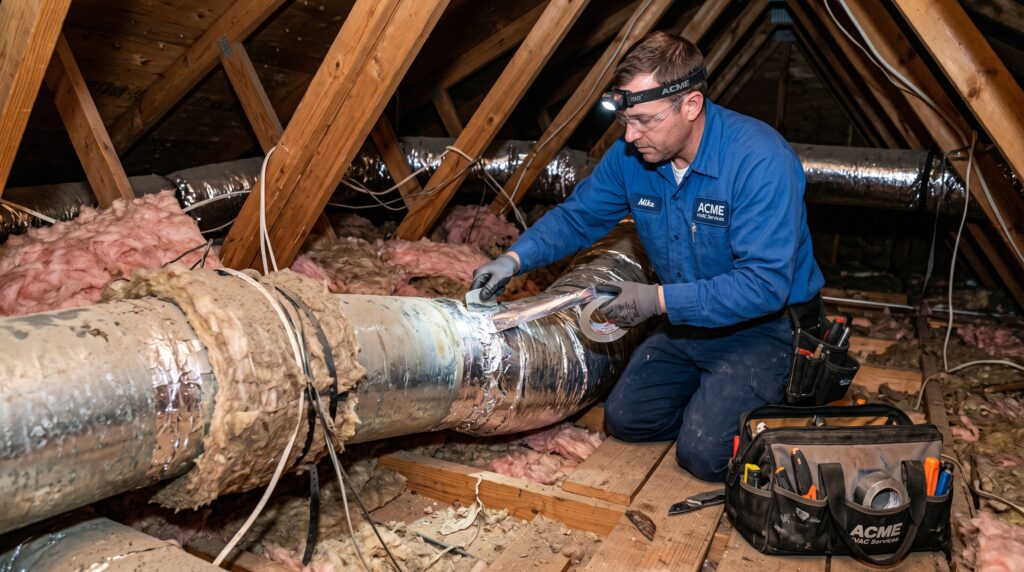
Introduction: Avoid These Common Air Duct Repair Pitfalls
Air ducts are the arteries of your HVAC system, and when they leak, rattle, or sag, your comfort suffers. In Somerville, New Jersey—where hot, humid summers give way to cold winters—small mistakes in duct repair can have outsized effects on your energy use and indoor air quality. This guide outlines the most frequent missteps homeowners make and offers clear strategies to fix problems correctly the first time. Whether you are patching a single joint or reviewing the entire system after a renovation, knowing what not to do will save time and prevent headaches, and it will also help you decide when to bring in professional air duct repair to handle complex or hidden issues.
Somerville’s housing stock includes older capes and colonials with tight attics and low basements as well as newer homes with long flexible runs. Each layout presents unique challenges that make certain mistakes more likely. Use the insights below as a checklist before you start—and as a reference after you finish—to verify that your work will stand up to seasonal swings and daily wear.
Mistake 1: Using the Wrong Tape
Ordinary cloth “duct tape” is not designed for HVAC ducts. It degrades under temperature changes and airflow, leaving sticky residue and reopening leaks you thought were sealed. Instead, use HVAC mastic as your primary sealant for seams and joints. Reinforce larger gaps with fiberglass mesh tape, then apply a finishing layer of mastic. Foil-backed HVAC tape can serve as an outer wrap over mastic or to close insulation jackets, but it should not replace mastic at pressure-bearing seams.
Using the right products is not just a matter of neatness; it is the difference between a repair that lasts and one that fails within months. In Somerville’s climate, seasonal temperature and humidity shifts put adhesives to the test, so choose materials rated for HVAC duty.
Mistake 2: Skipping Surface Preparation
Mastic and tape will not adhere to dusty, oily, or damp surfaces. Always clean seams and connections with a degreasing cleaner or isopropyl alcohol, then let them dry before applying sealant. On metal-to-metal joints, tightening the connection with sheet metal screws before sealing improves both mechanical strength and the seal itself. A few extra minutes of prep dramatically increases durability.
In basements with laundry appliances or water heaters, residue can collect on nearby duct surfaces. Wipe those areas thoroughly so your repair materials have a clean, solid base.
Mistake 3: Ignoring the Return Side
Homeowners often focus on supply ducts and overlook returns, which can cause serious indoor air quality issues if they leak. Gaps at return drops, filter access panels, or seams near the air handler allow unconditioned, dusty air from basements or attics to be drawn into the system. Seal return seams with mastic, ensure filter slots close tightly, and keep return grilles unobstructed by furniture or drapes. Tight returns help your filters work more effectively and reduce dust accumulation across the home.
If allergies or persistent dust are concerns in your household, a thorough review of return integrity can make a noticeable difference.
Mistake 4: Overlooking Flexible Duct Problems
Flexible ducts are easily kinked, crushed, or poorly connected. A sharp bend or collapsed section can restrict airflow dramatically. Inspect for kinks, compression under stored boxes, or torn inner liners. Replace damaged segments rather than trying to tape them from the outside. When reconnecting, slide the inner liner fully over the collar, secure with an approved clamp or heavy-duty zip tie, seal with mastic, then pull the insulation and jacket over the joint and close with foil tape.
Keep runs taut with gentle curves, support them at regular intervals, and avoid long, snaking routes that create unnecessary resistance.
Mistake 5: Insulating Before Sealing
Insulation conserves temperature but does not stop leaks. If you wrap leaky ducts, conditioned air still escapes, wasting energy and undermining comfort. Always seal seams and connections first using mastic and reinforcement where needed. Then restore or replace insulation jackets, making sure they fit snugly at elbows and transitions where splits often form.
In Somerville’s cold winters, unsealed and uninsulated supply ducts running through attics or crawl spaces can lead to significant temperature loss on the way to registers. The correct sequence—seal, then insulate—prevents that problem.
Mistake 6: Neglecting Supports and Vibration
Unsupported spans sag over time, especially with flexible ducts. Sagging creates low points where condensation can form and where airflow slows. Use wide, smooth straps or brackets to support runs at regular intervals, keeping ducts level and avoiding sharp bends. On metal ducts, add screws and a coat of mastic to quiet rattles at loose seams. Balanced support reduces noise, protects connections, and preserves airflow.
After repairs, listen during system start-up and shutdown. If booming or popping persists, it may indicate static pressure issues that need professional evaluation.
Mistake 7: Rushing Through Attic Work in Extreme Weather
Somerville attics can be dangerously hot in summer and very cold in winter. Adhesives cure differently at temperature extremes, and working conditions can make careful assembly difficult. Schedule attic repairs for milder days when possible, use plywood for stable footing, and bring adequate lighting. Never compromise safety; hurried work leads to mistakes that require rework later.
Check insulation jackets after a week to ensure seams remain closed and tape edges have adhered properly. Temperature swings can cause marginal bonds to fail.
Mistake 8: Overlooking Health and Safety Red Flags
If you encounter extensive rust, suspected mold, or signs of pests, stop and consult a professional. These issues require specialized handling to protect your health and ensure effective results. Likewise, if you discover disconnected trunks, collapsing metal, or widespread leakage, call for expert air duct repair to evaluate the entire system. Comprehensive solutions at this stage prevent ongoing comfort problems and repeated repairs.
Always switch off HVAC power before working on ducts, and consider eye protection and a respirator to guard against dust and fiberglass particles.
Mistake 9: Failing to Verify Results
After sealing and adjustments, turn on the system and check repaired seams with a smoke pencil or incense. Feel for air leaks and listen for changes in noise. Visit rooms that previously lagged behind and confirm improved airflow at registers. Reinspect insulation seams after a few days to confirm adhesives have cured and nothing has shifted. Document what you did with photos and notes—dates, materials, and locations—so you can track performance over time and share information with future technicians.
For a more complete picture, consider professional testing. Static pressure measurements and duct leakage tests quantify improvements and identify hidden trouble spots you may have missed.
Mistake 10: Treating Symptoms Instead of Root Causes
Applying tape to a visible gap may quiet a whistle but leave deeper issues unresolved. If some rooms remain uncomfortable after basic fixes, the problem may involve design: undersized ducts, long restrictive runs, or poor return placement. Professionals use diagnostics to reveal these structural issues and craft solutions that go beyond patchwork. Addressing root causes delivers stable, long-term comfort.
Remember that your furnace or air handler, filters, and duct sizing all interact. A high-resistance filter combined with tight bends and undersized runs can create pressure imbalances and noise. A holistic look prevents trial-and-error repairs.
Somerville-Specific Watchouts
Basement trunks often run near storage, water heaters, and laundry appliances. Vibrations and occasional bumps can loosen seams. Keep a clear zone around ducts and inspect after moving boxes or installing shelving. In capes and colonials, attic runs above bedrooms are exposed to major temperature swings; protecting elbows and transitions with careful sealing and jacket restoration pays dividends in winter and summer.
Homes near tree-lined streets experience seasonal pollen surges. Tightening return leaks helps reduce dust and allergens drawn in from unconditioned spaces, supporting cleaner indoor air throughout the year.
Frequently Asked Questions
Q: Is cloth “duct tape” ever acceptable on ducts? A: No. Use HVAC mastic for sealing seams and joints, reinforce larger gaps with fiberglass mesh tape, and use foil-backed HVAC tape as a protective wrap or to close insulation jackets.
Q: How do I know when to replace flexible duct instead of repairing it? A: Replace if the inner liner is torn, if the duct is severely crushed, or if insulation is saturated or degraded. Minor jacket tears can sometimes be patched if the liner remains intact.
Q: Can sealing ducts reduce energy use? A: Sealing leaks improves airflow and helps your HVAC system deliver conditioned air more efficiently, which can reduce run times and support more consistent comfort.
Q: What if noise persists after I tighten and seal everything? A: Persistent booming, popping, or whistling may point to static pressure or design issues. Professional diagnostics can identify whether duct sizing, filter resistance, or equipment settings are contributing.
Q: How often should I recheck my repairs? A: Inspect visually after a week, then perform seasonal checks—once before summer heat and once before winter cold—to ensure seals and supports remain secure.
Confident Repairs Start with the Right Approach
By avoiding these common pitfalls—wrong materials, poor prep, neglected returns, mishandled flexible ducts, premature insulation, weak supports, rushed attic work, skipped safety checks, lack of verification, and symptom-only fixes—you set yourself up for success. If you are ready for a thorough assessment and durable improvements delivered by local specialists who understand Somerville’s housing and climate, schedule professional air duct repair and restore quiet, efficient comfort throughout your home.
PREVIOUS: Air Duct Repair In Somerville New Jersey Cost And Timeline NEXT: Air Duct Repair Cost in Somerville, New Jersey Breakdown
