
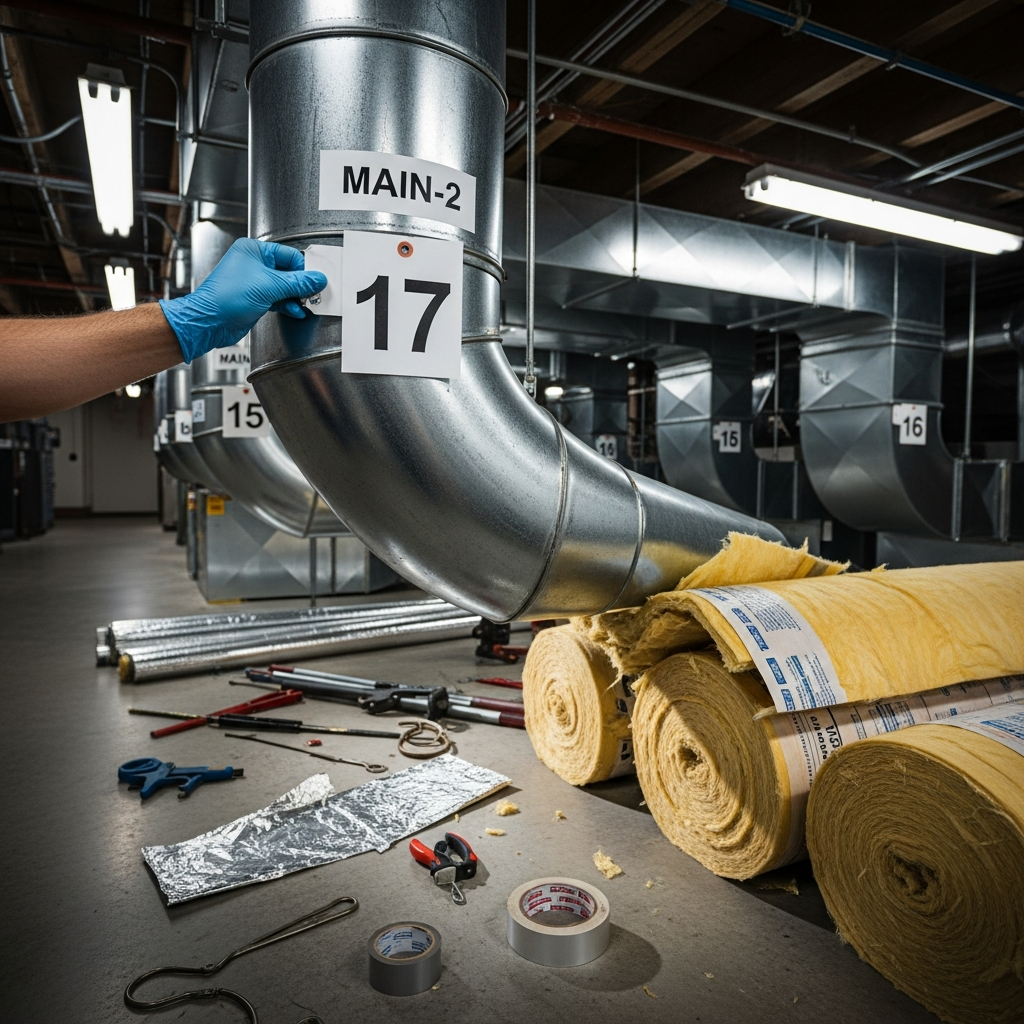
Understanding the timeline for an air duct installation helps homeowners in Somerville, New Jersey plan effectively, coordinate with other trades, and set clear expectations. While every project is unique, most share predictable phases: design, procurement, prep, rough-in, sealing and insulation, testing, and final handoff. This guide lays out what happens in each phase, why it matters, and how you can keep your schedule on track. If you want experienced coordination from the outset, consider partnering with a local team that specializes in air duct installation so design choices, material orders, and on-site tasks are aligned from day one.
Phase 1: Planning and Design
Projects that finish on time begin with a complete design. Room-by-room airflow targets, trunk sizes, branch routes, and return strategies are defined here. The team verifies equipment placement and service clearances and selects fittings that minimize resistance. This is also the phase to anticipate inspector expectations, photograph existing conditions, and identify chases or soffits needed to conceal ducts. A solid plan shortens field decisions and reduces rework that can ripple through the entire schedule.
Phase 2: Procurement and Staging
With drawings in hand, order duct sections, fittings, takeoffs, boots, registers, hangers, sealants, and insulation. Long-lead items or specialty diffusers should be confirmed early. On delivery, verify counts and condition, pre-assemble elbows and transitions where possible, and stage materials near the work zones. Good staging eliminates bottlenecks and lets installers keep moving instead of hunting for parts, which is crucial if multiple trades are sharing the space.
Phase 3: Site Preparation
Clear pathways, protect finishes, mark framing, and confirm penetrations. If walls or ceilings will be opened, coordinate with the general contractor or homeowner to sequence demolition and dust control. Confirm shutoffs for power and check for any hidden utilities. A clean, safe, organized site keeps the crew efficient and reduces the risk of callbacks later in the project.
Phase 4: Trunk and Branch Rough-In
Most installers begin at the equipment and work outward. Trunks are set first with correct alignments and supports, followed by takeoffs and carefully routed branches. Installers prioritize short, straight runs and long-radius fittings. Boots are positioned to match finish surfaces, and returns are framed or ducted to provide quiet, low-resistance airflow. Throughout rough-in, installers label branches and damper locations to speed up commissioning.
Phase 5: Sealing and Insulation
After ducts are in place, crews seal every joint, seam, and penetration with mastic and UL 181-rated foil tape. Insulation is added in unconditioned spaces and vapor barriers are closed without gaps. Sealing on both the supply and return sides is crucial for energy performance, indoor air quality, and comfort. A careful sealing phase prevents many of the issues that lead to delays or callbacks later.
Phase 6: Mid-Project Inspection and Adjustments
Before walls close or insulation hides ducts in attics, teams perform a mid-project check. They verify branch sizes, support spacing, and register locations. Adjustments happen quickly when components are still accessible. If questions about airflow or noise appear, this is the moment to solve them. Homeowners who want extra assurance may bring in specialists for duct installation services in Somerville to validate the design, perform preliminary airflow tests, or advise on diffuser selection before finishes are installed.
Phase 7: Equipment Tie-In and Startup
Flexible connectors and transitions are installed at the air handler or furnace. Filters are set in place, and the system is powered for initial checks. Technicians listen for rattles, whistles, or vibration that point to loose fasteners or leaks. Register throws are observed and adjusted to avoid drafts. Early startup findings inform the final balancing plan, and any irregularities are corrected while access is still open.
Phase 8: Testing, Balancing, and Documentation
Technicians measure total external static pressure, supply and return CFMs, and temperature splits in heating and cooling modes. Balancing dampers are adjusted to match room-by-room targets, and all changes are recorded. The final report typically includes airflow readings, filter specifications, damper positions, and notes on any unique features. Documentation protects homeowners and contractors alike by establishing a performance baseline and simplifying future service.
Phase 9: Final Walkthrough and Turnover
The project wraps up with a walkthrough to review register placements, access panels, filter changes, and damper labels. Homeowners receive maintenance pointers and are shown how to keep returns clear and registers clean. Any small punch-list items such as a squeak, visible fastener, or missing label are resolved at this time. Photographs of concealed ducts and written commissioning results are archived for reference.
Keeping Your Timeline on Track
- Lock the design before ordering materials to avoid last-minute substitutions.
- Stage materials close to the work area and pre-assemble where practical.
- Schedule mid-project checks before insulation or drywall work proceeds.
- Confirm inspection requirements and make access simple for inspectors.
- Set milestones for rough-in completion, sealing, and commissioning.
- Communicate daily with other trades to avoid conflicts in shared chases.
Common Causes of Delays
- Undersized returns discovered after rough-in
- Unexpected obstacles in walls or ceilings that force rerouting
- Waiting on specialty registers or custom fittings
- Weather-related access issues for attic and exterior work
- Late changes to equipment location or mechanical room layout
- Insufficient sealing or insulation flagged during inspection
Quality Matters as Much as Speed
Finishing on time is important, but quality determines whether the system feels great for years to come. Keep elbows smooth, avoid abrupt transitions, support flex properly, and seal every seam. Insulation and vapor barriers must be continuous. Labeling, photos of concealed work, and measurement records take little time and provide long-term value to the homeowner and service technicians.
Frequently Asked Questions
Q: How long does a typical home duct installation take? A: Timelines vary by home size and complexity, but a thoughtfully designed single-family project may run from several days for straightforward replacements to longer for complex layouts or whole-home renovations.
Q: Can I live in the home during installation? A: Usually, yes. Expect some dust and noise during demolition and rough-in. Protect valuables, and coordinate room access with the crew day by day.
Q: When should inspections occur? A: Many jurisdictions expect inspections after rough-in and again at final. Verify local requirements and keep documentation handy.
Q: What if airflow numbers do not match the plan? A: Adjust balancing dampers, review branch lengths, and check for kinks or collapsed liners in flex. In some cases, upsizing a grille or adding a return solves the issue.
Q: Why is sealing emphasized so much? A: Leakage undermines comfort, wastes energy, and can draw dust or humidity into the system. Proper mastic and tape application turns a good layout into a high-performing system.
Q: Do weather conditions affect scheduling? A: Attic access in extreme heat or cold can slow work. Plan attic-intensive phases for milder times of day and ensure adequate lighting and protection.
Stay on Schedule with the Right Help
When you align design, materials, and fieldwork, installation proceeds predictably and inspections go smoothly. If you want a team to manage those moving parts or to validate progress at key milestones, connect with specialists who deliver professional air duct installation so your project finishes on time and performs to plan.
