Understanding the Elements Behind a Repair Price Tag
When homeowners in Somerville, New Jersey search for a pricing guide, what they usually want is clarity—what shapes the overall investment, which choices have the biggest impact, and how to avoid unwelcome surprises. While every home is unique, you can learn how professionals think about scope, access, materials, and quality checks so you can plan with confidence. Starting with a careful assessment and a prioritized action list puts the focus on value instead of guesswork. If you have an urgent issue or simply want a proactive checkup, scheduling professional air duct repair ensures that recommendations match your home’s layout and your comfort goals.
This guide breaks down the key drivers that influence the bottom line—without quoting figures—so you can talk with a provider using the same language they use to scope and plan the work.
Scope: What Is Being Repaired?
Scope determines most of the effort. A short list of targeted seals and support adjustments differs from a comprehensive refresh of multiple runs. Providers usually distinguish between immediate stabilization—sealing the most significant gaps and re‑seating loose boots—and broader optimization that addresses smaller leaks and insulation sleeves. A clear photo record and register‑by‑register notes help you see the difference between must‑do items and optional upgrades that enhance balance and cleanliness.
Access: How Easy Is It to Reach the Problem?
Access plays a major role in planning. Open basements are simpler than tight attics or low crawlspaces. Long ceiling spans, finished soffits, or closets hiding vertical chases require additional care and sometimes temporary access points. Professionals weigh safety, time, and restoration needs when mapping out the best path to each joint, seam, and boot. When access is challenging, experienced crews use compact lights, cameras, and specialized tools to minimize disruption.
Materials and Methods: What Lasts
Durable repairs rely on high‑adhesion products and correct installation. Mastic, UL‑rated foil tape, and mechanical fasteners create reliable seals at transitions and seams. Where flexible duct meets metal collars, clamps and screws followed by sealant prevent future movement and leakage. Using the right materials reduces repeat visits and delivers a better long‑term result.
System Design Factors
Every duct system reflects design choices: trunk sizes, branch lengths, number of turns, and return pathways. Underperforming rooms sometimes reveal that a register is undersized or a bend is too sharp. During a repair visit, technicians often stabilize the obvious problems, then discuss whether minor design adjustments—like straighter routing or an added support—could deliver better balance. Understanding this context helps you interpret recommendations and decide which improvements belong in a later, planned visit.
Home Age and Renovation History
Somerville’s housing includes historic homes with layered renovations. Each remodel might have introduced new branches or rerouted returns. Over time, adhesives can dry out and flexible lines can sag. A thorough assessment recognizes where materials from different eras meet and ensures that new sealing is compatible with what is already in place.
Moisture and Insulation Considerations
Moisture around cold supply runs can signal insufficient insulation or air leakage. Repair plans often include sealing first, followed by insulation sleeve refreshes where needed. This two‑step approach reduces condensation risk and energy waste. In humid seasons, well‑insulated, well‑sealed ducts also protect nearby framing and finishes.
Quality Assurance and Documentation
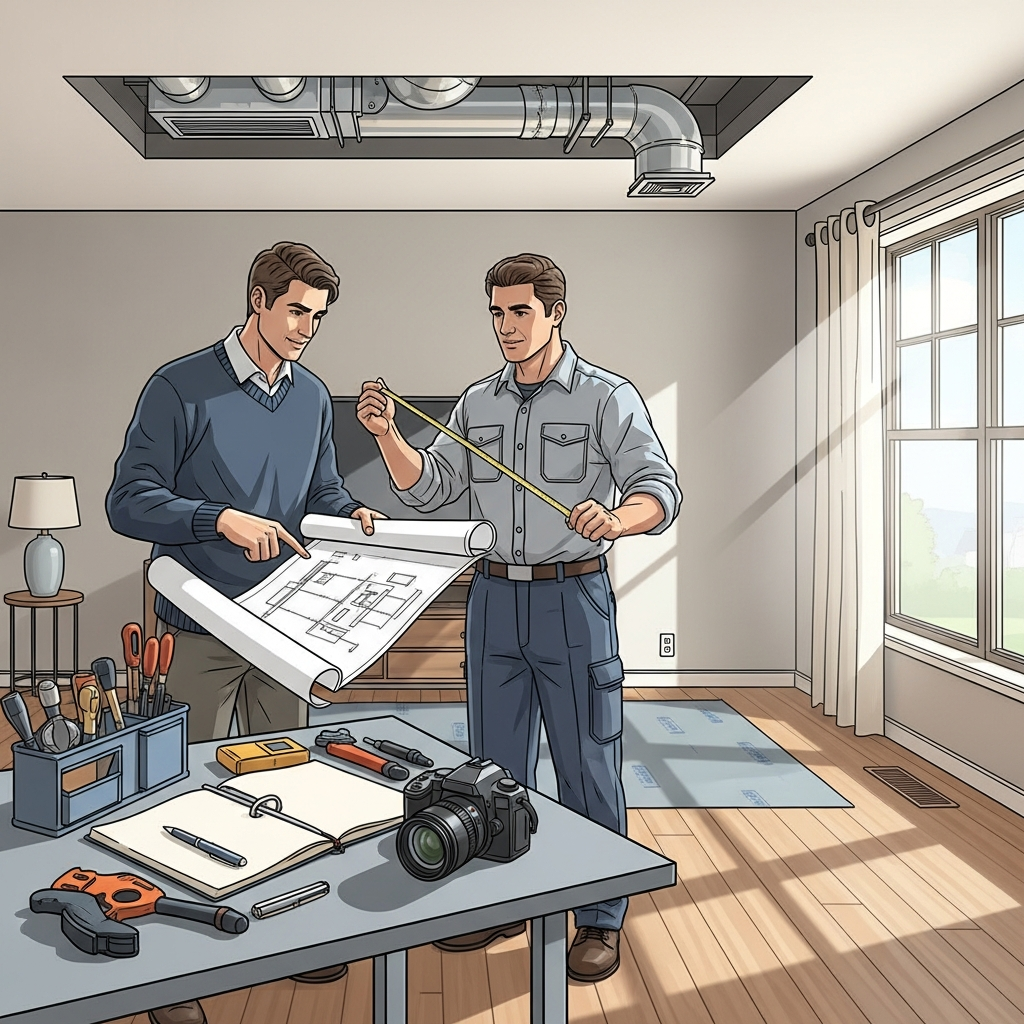
Expect a professional team to photograph key problem areas, show the completed seals, and verify airflow changes at registers. This documentation supports confident decisions and makes future maintenance easier. If you ever renovate again, these records help contractors understand the current layout and avoid disturbing freshly sealed connections.
Prioritizing for Value
Many homeowners want to know how to get the biggest improvement first. The answer is to target the most consequential leaks and structural weaknesses: unsealed boots, loose takeoffs, crushed flexible spans, and missing supports. Stabilizing these delivers immediate comfort gains and protects equipment from unnecessary strain.
Questions to Ask Any Provider
Going into a conversation with a checklist helps you compare proposals:
- Which joints, seams, or transitions are the top priorities, and why?
- How will you access tight spaces, and how will those openings be closed and sealed?
- What materials will you use for seams and for flexible‑to‑metal transitions?
- Will you adjust or add supports to prevent future movement?
- How will you verify improvements during the visit?
- Can you provide photo documentation of before‑and‑after conditions?
Clear answers indicate a methodical, quality‑focused approach.
Avoiding Surprises
The best way to avoid surprises is to combine a thorough initial assessment with staged recommendations. Start by addressing urgent issues that impair airflow or introduce unfiltered air into living spaces. Then plan any secondary improvements—insulation refreshes, straighter routing, or small design tweaks—on a timeline that fits your goals. This approach keeps your home comfortable while giving you control over the work sequence.
After the Repair: Protecting Your Investment
Simple habits keep your duct system performing well: change filters on schedule, keep return pathways clear, and avoid storing heavy items on attic ductwork. During routine HVAC checkups, ask for a quick review of supports and boots, especially after any renovation that might have disturbed soffits or chases.
If you want clarity without speculation, invite a Somerville specialist to evaluate your system and present a prioritized plan. A careful walkthrough, clear photos, and register tests will show where attention matters most. When you are ready to move forward, schedule professional air duct repair so your decisions are backed by expert insight and durable methods.
Frequently Asked Questions
Q: How do I compare proposals when figures differ? A: Compare scope and methods rather than just totals. Look for clear priorities, defined access plans, and materials rated for duct systems. Detailed documentation signals a thorough approach.
Q: Is sealing enough, or will I need other improvements? A: Sealing delivers strong gains by itself. In some homes, minor routing adjustments, added supports, or insulation refreshes provide additional benefits. Your technician will explain which steps offer the best return.
Q: What if I cannot access my attic easily? A: Providers use specialized tools and safe access techniques. When new openings are necessary, they are closed and sealed to maintain airtightness.
Q: Will this make my system quieter? A: Often, yes. Eliminating leaks and stabilizing loose sections reduces whistling and vibration.
Q: How can I keep results steady over time? A: Replace filters on schedule, keep returns unblocked, and request periodic inspections of supports and transitions.
Start With Confidence
You do not need to estimate blindly. Invite a Somerville professional to assess your system, document priorities, and plan a sequence that fits your needs. When you are ready, book expert air duct repair and move forward with a clear, methodical plan designed for long‑term comfort.
