When homeowners in Somerville, New Jersey start researching a new dryer vent, they usually have one big question: what truly drives the overall investment? While every home is unique, there are consistent, practical factors that determine the scope of work, the level of difficulty, and the value you receive from a safe, code-compliant system. If you are exploring options for dryer vent installation, understanding these factors will help you plan smartly, ask the right questions, and avoid surprises once the work begins.
This guide breaks down the technical elements that influence the total project, from vent routing and materials to building conditions, regulations, and long-term maintenance. Even without discussing specific dollar figures, a clear picture will emerge of what makes one project straightforward while another demands added expertise and time. By the end, you will know how to assess your current setup, anticipate complexity, and communicate effectively with a qualified professional in Somerville.
Why a high-quality installation matters
A well-designed dryer vent does much more than carry lint and moisture outside. It also safeguards your home by reducing fire risks, preserving indoor air quality, and protecting your dryer from premature wear. Poorly executed work can cause lint accumulation, long dry times, moisture damage, and unnecessary strain on your appliance. A properly configured vent minimizes resistance, maintains adequate airflow, and ensures the dryer operates efficiently. That performance benefit is not just about convenience; it supports safety and the longevity of your laundry equipment.
In Somerville, older homes, additions, and mixed construction types mean vent paths are not always simple. Many residences feature basements, tight mechanical spaces, finished attics, or masonry exteriors. These features influence routing decisions and determine whether technicians need specialty tools or additional steps to achieve a compliant, weather-tight termination to the outside. Attention to detail is essential, from choosing the right materials to sealing external penetrations against rain and pests.
Core factors that influence the overall investment
Every installation is shaped by a handful of core elements. Understanding these will help you compare proposals and see why scope can vary widely between homes that look similar at first glance.
- Vent run length and complexity: Longer paths, multiple turns, and hard-to-reach locations add time and require careful planning to maintain airflow and meet building codes.
- Material selection: Rigid metal ducting generally provides the best performance and durability. Semi-rigid may be permitted for short transitions. Avoiding plastic or thin foil ducts improves safety and function.
- Type of termination: Wall caps and roof caps must be selected and installed correctly for backflow prevention, weather resistance, and efficient air release.
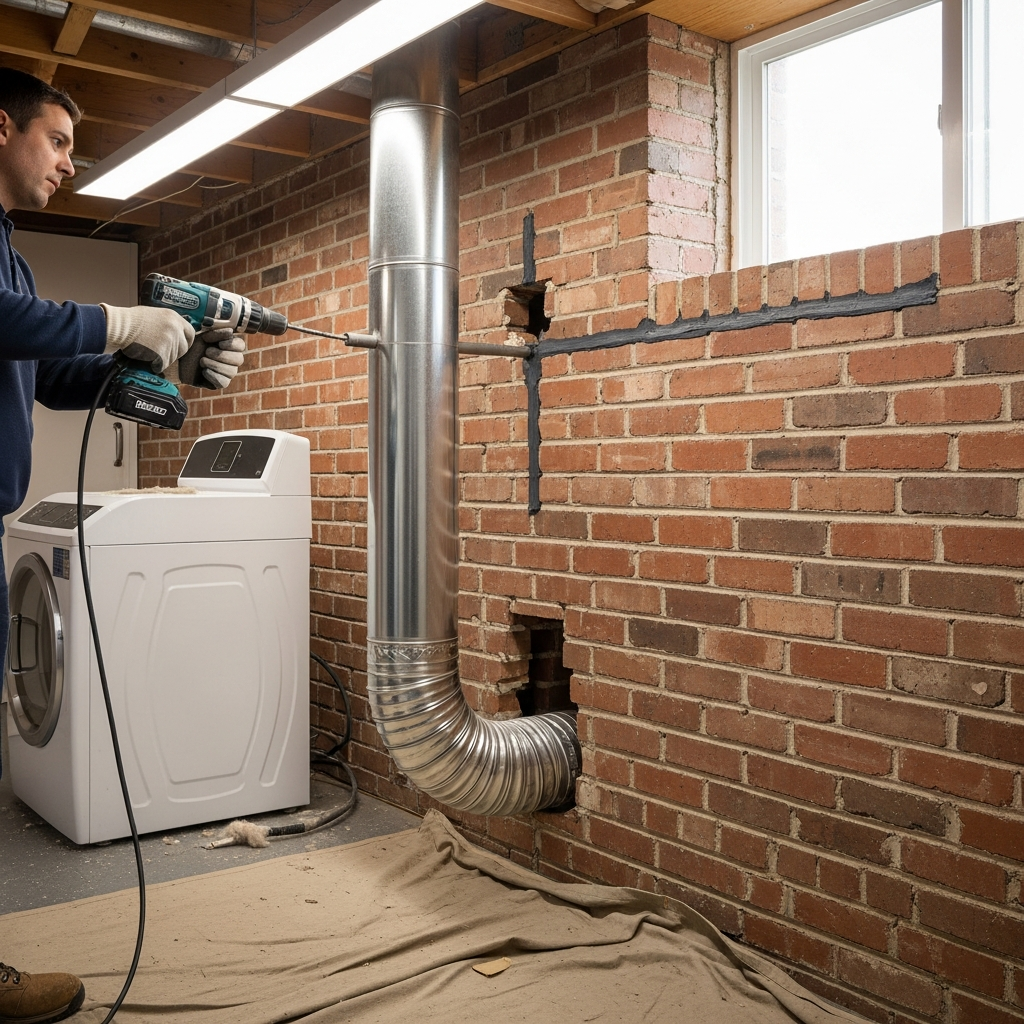
- Wall or roof penetration work: Cutting, coring, or drilling through different materials—wood, brick, stone, stucco, or siding—requires varied methods and protections.
- Home accessibility: Narrow crawlspaces, finished ceilings, or obstacles in utility areas raise the difficulty level and the time needed to position and secure ducting.
- Code compliance and permitting: Local rules may guide materials, pathway limits, and termination standards. Ensuring compliance protects you and your home.
- Connection to existing systems: Replacing old ducting, transitioning from outdated materials, or relocating the vent path can require careful demolition and cleanup.
- Enhancements and accessories: Exterior guards, dampers, insulation in unconditioned spaces, and airflow testing add value and precision to the final result.
- Post-installation verification: Measuring airflow, testing for leaks, and confirming damper operation are important quality checks.
Material choices and what they mean over time
Material quality sets the foundation for long-term safety and performance. Rigid metal ductwork is widely regarded as the preferred option thanks to smooth interior surfaces that reduce lint accumulation and resistance. Properly sized, joined, and sealed rigid sections also resist crushing or kinking, problems that often plague flexible ducts. Semi-rigid connectors are sometimes used for the short transition between the dryer and the wall, but the main run is best built from rigid sections with minimal elbows.
Sealing joints with foil tape rated for high temperatures helps prevent air leaks. Screws that penetrate the duct interior can snag lint, so secure methods that avoid internal obstructions are essential. Quality terminations with backdraft dampers help keep pests out while allowing free airflow. The choice of termination must match the exterior surface—siding, brick, or roofing—and be flashed or caulked appropriately to manage weather and protect the structure.
Route planning, length, and the science of airflow
Airflow in a dryer vent is affected by the total effective length of the run and the number of turns. Each elbow adds resistance. The straighter and shorter the route, the more easily moist air and lint are expelled. In real homes, perfect lines are rare, but a seasoned installer will look for opportunities to shorten the run or reduce bends without compromising the building envelope. When rerouting, consideration must be given to hidden obstacles such as joists, plumbing, or HVAC lines. The installer should also avoid running ducts through concealed spaces where access for maintenance would be impractical.
In Somerville, basements and older framing layouts can complicate direct paths to an exterior wall. Sometimes the best solution is a carefully planned route to a sidewall exit; in other cases, a roof termination may be preferred, especially in tightly built homes or multifamily buildings. Each option has weatherproofing and maintenance implications, so the planning stage is critical.
Accessibility and existing conditions in Somerville homes
Historic structures, finished basements, plaster walls, and masonry exteriors contribute to the character of many Somerville properties. Those same features can influence how the vent is installed. Working within tight spaces or avoiding unnecessary demolition requires precision and experience. If an existing vent is being replaced, the condition of the current ductwork matters. Hidden damage, concealed lint deposits, or crushed sections may be uncovered during demolition, expanding the scope to include removal and remediation before the new duct is placed.
Occasionally, laundry rooms are moved during renovations. Relocations may force a longer or more complex route than the original design. Choosing the correct diameter, minimizing restrictions, and ensuring robust supports will help protect performance despite increased length.
Permits, codes, and best practices
Following codes and industry-recognized best practices is essential. Proper vent diameter, smooth-wall ducting, limited use of elbows, and correct termination are common requirements. Washers and dryers often come with manufacturer guidelines that specify maximum equivalent lengths and the number of acceptable turns. A conscientious installer checks these documents and designs a route that fits within those constraints. Local permitting, when required, ensures a second set of eyes evaluates the plan and confirms compliance—a safeguard for you and any future buyer of your home.
Best practices also include secure supports at recommended intervals, appropriately sloped horizontal sections to prevent condensation buildup, and meticulous sealing of all exterior penetrations. Where ducts pass through unconditioned spaces, thermal considerations and condensation control may influence choices around insulation and termination.
Enhancements that elevate performance and protection
Some projects benefit from accessory components that improve everyday operation or extend the system’s service life. While not mandatory in every case, these upgrades are worth discussing during the planning stage.
- Premium wall or roof caps with efficient backdraft dampers for reliable airflow and pest resistance.
- Bird or rodent guards designed for dryer applications to minimize nesting without restricting exhaust.
- Fire-resistant wall sleeves or specialty collars where codes require additional protection through penetrations.
- In unconditioned or cold spaces, measures to manage condensation and protect against moisture issues.
- Airflow measurement during commissioning to verify that the vent meets performance expectations.
What a professional process looks like
Expert installers follow a structured approach. First, they assess the dryer location, the intended path, and exterior termination options. They review manufacturer specifications, measure distances, and calculate effective length accounting for elbows and transitions. Then, they map a route that balances code compliance, practicality, and minimal disruption to finished spaces.
- Initial consultation and inspection of the current laundry area, including a look at the existing vent if one is already present.
- Path planning, with careful consideration of framing, utilities, and exterior finishes.
- Selection of materials, fittings, and termination components suited to the route and the home’s envelope.
- Creation of penetrations with the correct tools for the substrate, including dust control and protection of interior finishes.
- Precise assembly of rigid duct sections, with sealed joints and secure supports at recommended intervals.
- Installation of the termination cap with weather-appropriate flashing or sealing.
- Connection at the dryer using a safe transition piece, avoiding sharp bends, kinks, or crushing.
- Commissioning steps including airflow checks, visual verification of damper function, and guidance for routine lint maintenance.
At this stage, homeowners often appreciate working with a team that specializes in professional dryer vent installation. Experienced technicians anticipate challenges behind walls or above ceilings and finish with a system that is safe, tidy, and built to perform.
Common pitfalls that raise long-term risks
Certain shortcuts can lead to ongoing issues that require premature repair or replacement. Knowing these trouble spots helps you ask good questions during the planning stage.
- Using thin, accordion-style foil ducts for the main run, which can trap lint and collapse over time.
- Excessive turns or unnecessary elbows that add resistance and increase dry times.
- Improperly sized ducting that chokes airflow and stresses the dryer motor.
- Poorly sealed exterior penetrations that allow water intrusion or pest entry.
- Termination screens not designed for dryer use that become clogged and dangerous.
- Fasteners protruding into the duct interior, capturing lint and elevating fire risk.
- Routing into attics or crawlspaces without proper termination to the outdoors.
Preparation steps that streamline the job
A bit of homeowner preparation can make an installation smoother and faster. Clearing the laundry area, moving lightweight storage, and ensuring a clear path to the work area enables installers to focus on what they do best. If you know of previous alterations—added soffits, capped vents, or structural repairs—share that history during the initial walk-through. Good communication prevents surprises and ensures the team brings the right tools and materials for your home’s unique profile.
- Empty the dryer lint trap and clear items around the appliances.
- Identify any areas with limited access such as crawlspaces or tight utility chases.
- Flag past water leaks, rodent issues, or other conditions that might affect the route.
- Discuss preferences for wall versus roof termination based on maintenance and visibility.
- Ask about commissioning checks and homeowner maintenance tips for the new system.
Maintenance and longevity considerations
Even a flawless installation benefits from routine maintenance. Lint is unavoidable in laundry, and while a smooth, well-routed duct reduces buildup, periodic cleaning preserves performance. Homeowners should monitor dry times, check the exterior damper for free movement, and keep vegetation away from wall terminations. If you notice condensation, unusual heat around the dryer, or a burning odor, stop using the appliance and seek a professional evaluation immediately. These symptoms often indicate restricted airflow or a blocked termination.
Over the years, renovations, new siding, or roof replacements may affect the vent path or termination. When other trades work near the vent, confirm that the damper and cap remain unobstructed. Alert contractors to the presence of the dryer vent so they do not inadvertently cover or pinch the duct.
How Somerville’s housing mix influences installation
Somerville blends historic charm with modern updates. Brick exteriors call for careful coring and specialized sealing. Older plaster walls demand a gentle touch to avoid cracking. Finished basements require thoughtful routing that protects ceilings and preserves headroom. Where laundry spaces are stacked in multifamily homes, vertical runs may need special supports and attention to condensation control. All of these conditions influence how an installer sequences the job and the protections they employ to safeguard your interior finishes.
Frequently asked questions
Q: Do all dryer vents need to exit to the outdoors? A: Yes. Vents should discharge outside to remove moisture and lint effectively. Venting into attics, crawlspaces, garages, or interior rooms can cause moisture damage, mold, and safety hazards.
Q: What materials are recommended for the main vent run? A: Smooth-wall rigid metal is the widely recommended choice for performance and durability. Semi-rigid may be used for short transitions at the appliance, but the main run should be rigid.
Q: How do I know if my current vent needs replacement? A: Warning signs include extended dry times, a hot laundry room, a stuck exterior damper, visible lint around the termination, or a crushed or damaged duct behind the dryer.
Q: What about booster fans? A: In certain long or complex runs, a booster may be considered, but it must be compatible with dryer exhaust and installed to code. Many homes can avoid boosters through better routing and material choices.
Q: Are screens allowed on dryer vent terminations? A: Most experts advise against screens because they clog with lint. Purpose-built caps with backdraft dampers are the safer alternative.
Q: How often should the vent be cleaned after a new installation? A: Cleaning frequency depends on usage, but periodic checks of the lint trap, termination damper, and interior duct help maintain performance. Many households benefit from an annual or biennial inspection based on laundry volume and pet hair.
Q: Can I reroute my vent during a laundry room remodel? A: Yes, but rerouting increases planning needs. Coordinate early in the design process to respect manufacturer length limits, reduce elbows, and choose a termination that suits the updated layout.
Q: Is roof termination better than wall termination? A: It depends. Roof terminations may suit certain layouts but require careful flashing and safe access for maintenance. Wall terminations are often simpler to service, provided the path remains short and direct.
Putting it all together
When you look beyond line items and focus on airflow, materials, routing, and verification, you gain a realistic understanding of what shapes a successful project. Good planning and craftsmanship yield a vent that exhausts efficiently, keeps lint moving to the outside, and operates reliably in all seasons. That reliability translates into fewer dryer issues, reduced energy waste, and a safer laundry space for your Somerville home.
Ready to move forward in Somerville
If you want a smooth, code-compliant result backed by careful planning and strong workmanship, talk with a local specialist who knows the area’s housing styles and typical challenges. Your home and appliances deserve the benefits that come from a properly designed system built to last. To schedule a visit or request an expert assessment for your Somerville property, reach out to a trusted provider of dryer vent installation services and take the first step toward safe, efficient laundry days.
