Finding the best dryer vent installation near you in Somerville, New Jersey is about more than convenience. It is about protecting your home from moisture damage, reducing fire risk, improving appliance performance, and ensuring your laundry routine runs smoothly. Whether you live in a historic Somerville home with unique construction quirks or a newer property with modern utility runs, selecting the right approach and the right installer can make a meaningful difference in safety and efficiency. If you want an immediate way to align your project with local standards and proven methods, consider partnering with a reputable local provider for dryer vent installation and maintenance support from the outset.
Beyond safety, the quality of your dryer vent installation impacts energy use, drying times, and long-term appliance health. Poorly routed vents, long duct runs, or improper materials can trap lint and moisture, creating a hidden maintenance headache and possible hazards. A well-designed system, by contrast, promotes strong airflow, keeps lint moving to the termination point, and helps your dryer work as intended.
This comprehensive guide explains how to evaluate local installers, what the best practices look like, how to prepare your home, and what to expect before, during, and after installation. Use it as a checklist to confidently choose the best option for your Somerville property.
What Sets the Best Dryer Vent Installers Apart
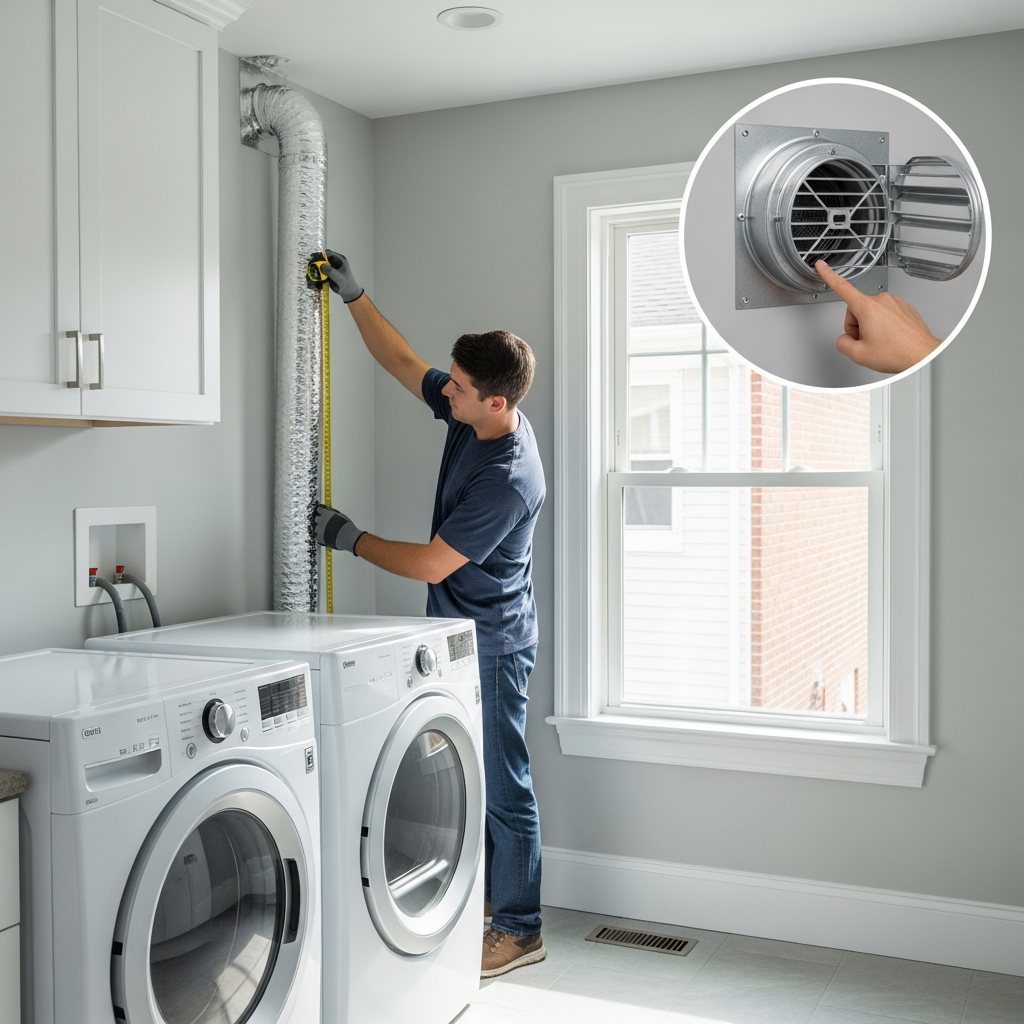
Great installers bring a blend of technical skill, local code knowledge, and clear communication. They verify the shortest feasible route to the exterior, use rigid metal ducting where possible, and avoid prohibited materials that can trap lint. They also verify that terminations include a backdraft damper and no screens, and they demonstrate how to access and maintain the system.
Quality professionals also assess site-specific variables: exterior wall materials, roof pitch if roof termination is unavoidable, joist directions, and the proximity of plumbing or wiring. The best pros map a safe, direct path and explain why each decision optimizes airflow and serviceability.
Local Considerations for Somerville, New Jersey Homes
Somerville offers a mix of home ages and construction types. Older homes may have plaster walls, tight framing, and limited chase space, while newer builds often have more accessible utility paths. Seasonal humidity swings and winter temperatures also matter: condensation control is vital, and insulated vent sections may be wise in certain cold-space runs, such as unconditioned basements or attics.
Local best practices typically prioritize an exterior wall termination at a low or mid elevation to reduce duct length. In multifamily or townhome settings, firewall penetrations and rated assemblies require meticulous detailing and, in some cases, special collars or fire dampers depending on local requirements. A top-tier installer understands these differences and plans accordingly.
Signs You Need a New or Improved Installation
If you are unsure whether it is time to upgrade or replace your dryer vent, watch for common warning signs. These include clothes taking too long to dry, a hot laundry room, a burning or musty smell, visible lint around the exterior termination, a flap that barely opens during operation, or repeated dryer cycling errors. Any of these flags indicate restricted airflow or improper routing that a professional can diagnose and correct.
You should also consider an update if you have recently remodeled, changed the dryer’s location, or moved into a new home and do not know the vent’s history. A professional assessment will confirm the vent path, materials, and termination integrity.
Materials and Methods the Best Pros Use
While flexible transition duct can be used in short lengths between the dryer and the wall connector, high-quality installations rely primarily on rigid metal duct for the long run to the exterior. Rigid sections minimize friction, resist crushing, and reduce lint accumulation. Properly sealed joints, supported per code, and gentle elbows with minimal turns are standard in the best work.
Sealing is another differentiator. Foil tape rated for high temperatures is preferred over screws that penetrate the duct and create lint catch points. At the termination, the exterior hood or louvered cap must include an integral damper and be free of any screen that can trap lint. The cap should be properly flashed and sealed to the exterior cladding to prevent water intrusion.
Planning the Route: Short, Straight, and Serviceable
A hallmark of a great installation is route optimization. Fewer elbows and a shorter total run length increase airflow, reduce drying time, and ease maintenance. Strategic placement of access points where appropriate can help with future cleaning. When obstructions force longer runs or several turns, pros calculate equivalent length and verify that the installation remains within manufacturer limits.
Special care is taken in constrained spaces. In some Somerville homes, moving the dryer a few inches, reframing a small chase, or selecting a different termination face can yield major airflow improvements. The best installers present options, outline tradeoffs, and help you make a durable choice.
Safety First: Fire and Moisture Management
Dryer lint is flammable, and moist exhaust can damage framing or finishes if not vented outdoors. The best installers never vent into attics, crawlspaces, or garages, and they avoid running exhaust into soffit vents connected to attic ventilation. They verify that the termination is at a safe distance from openings and that the damper operates freely.
Where the duct passes through unconditioned space, condensation risk increases. In those scenarios, pros may recommend insulation strategies compatible with code and manufacturer instructions. These steps protect the building envelope and help keep the vent dry and lint moving.
How to Compare Local Providers
When searching for the best provider near you, look for documented experience with your home type, photos of prior work, and a willingness to explain choices. Ask about duct materials, number of elbows, equivalent length calculations, termination style, sealing methods, and how they will safeguard interior finishes during the job. A trustworthy pro welcomes questions and sets clear expectations for schedule and cleanup.
Verify that they offer post-installation testing. Good installers often run the dryer on a timed cycle and observe airflow at the termination. Some also check for proper damper action and document the final routing for your records.
Preparation Tips for Homeowners
Before installation day, clear the laundry area and ensure there is a path for the installer to move equipment. If you have pets, consider a plan to keep them safe and out of the work area. Locate your electrical panel and any relevant utility shutoffs in case they are needed. If walls will be opened, protect nearby furnishings and be ready for minor patching and paint after the work is completed.
Gather dryer model information and any previous documentation you have about the vent. This helps the installer confirm the allowable equivalent length, necessary clearances, and appropriate connector options.
Maintenance After a Great Installation
Even the best installation requires maintenance. Lint still accumulates over time, particularly at transitions and elbows. Create a routine for cleaning the lint trap after every load, vacuuming behind and under the dryer periodically, and arranging periodic professional cleaning of the vent run. Regular attention extends dryer life and preserves the performance of a carefully designed system.
In Somerville, seasonal checks can also be useful. After the winter season, verify that the exterior cap is free of ice deformation or wind-driven debris. In autumn, confirm leaf buildup has not blocked the vent area. These small habits protect your investment.
When Upgrades and Retrofits Make Sense
Some installations deserve more than a one-for-one replacement. If your current route is excessively long, filled with tight turns, or built with improper materials, a retrofit that relocates the dryer or reroutes the duct can yield major gains in safety and performance. Talk with your installer about creative solutions: a new termination point, limited reframing, or strategic soffits that hide ductwork while preserving service access.
Mid-project changes can also be prudent if the installer uncovers hidden issues such as previous improper vent locations or inaccessible runs. The best professionals will explain the findings and present alternatives that keep you compliant and efficient.
Choosing Value Over Guesswork
A carefully planned installation may not be the fastest path, but it pays dividends in reliability and peace of mind. Thorough documentation, attention to materials, and clean workmanship are the hallmarks of a provider who stands behind the result. When you are comparing options in Somerville, remember that airflow physics, moisture control, and code compliance are non-negotiable fundamentals—choose providers who treat them that way. For mid-project questions or to verify that your plan aligns with recommended practices, do not hesitate to consult local experts in dryer vent installation who understand the unique needs of area homes.
Frequently Asked Questions
Q: How long should a typical dryer vent run be? A: Shorter is almost always better. Many manufacturers set a maximum equivalent length that accounts for straight duct and adds penalties for each elbow. A great installer calculates this value and selects a route that stays within the limit.
Q: What duct material is best? A: Rigid metal duct is the standard for long runs because it resists crushing, maintains smooth interiors for airflow, and minimizes lint accumulation. Short sections of listed flexible transition duct can be used between the dryer and wall connection, but they should be as short and straight as possible.
Q: Can I vent my dryer into a garage or attic to avoid cutting the exterior wall? A: No. Dryer exhaust must be vented outdoors. Venting into enclosed spaces traps lint and moisture, increasing fire and mold risks.
Q: Should the exterior termination have a screen to keep out pests? A: No screen should be used at the termination because it can clog with lint. Instead, a proper termination cap with an integral damper helps keep critters out while allowing exhaust to flow freely.
Q: How often should I clean the dryer vent? A: Many households benefit from annual professional cleaning, though the right interval depends on laundry volume, vent length, and the specifics of your installation. Signs like longer drying times or visible lint near the termination suggest it is time to schedule service sooner.
Q: What if my dryer is on an interior wall with no easy exterior route? A: A skilled installer can often find a compliant path using rigid duct and gentle turns, sometimes relocating the termination or making minor framing adjustments to keep the run within limits. Creativity within code is key.
Q: Do gas dryers have special venting needs? A: Gas dryers also exhaust combustion byproducts, so correct venting is especially important. The routing principles are similar, but ensuring airtight joints and a clear path is essential for safe operation.
Get Expert Help in Somerville Today
If you want a reliable outcome for your Somerville home, choose a team that treats airflow, safety, and craftsmanship as top priorities. From planning and materials to clean installation and post-project guidance, the right partner will protect your home and make laundry day more efficient. When you are ready to move forward, reach out for trusted local dryer vent installation support and schedule your service with confidence.
