
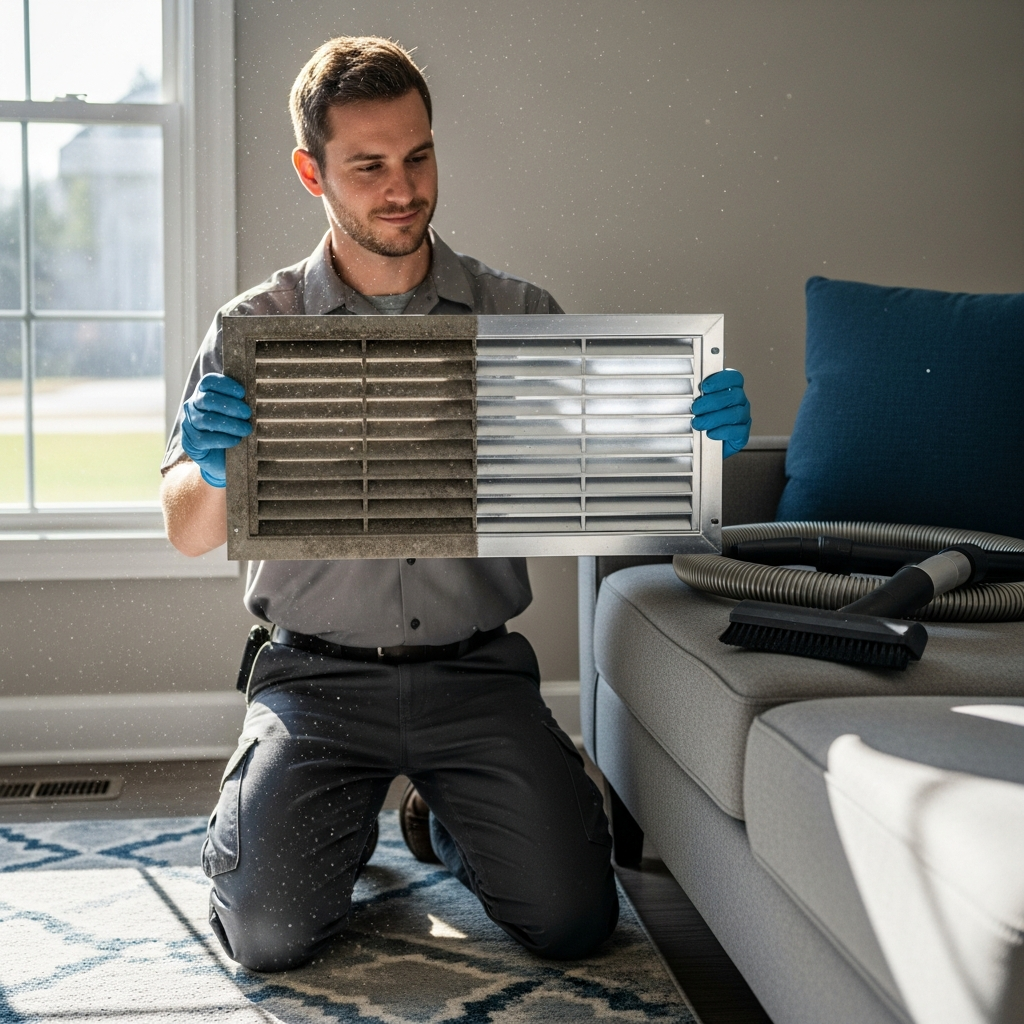
Dusty vents, uneven temperatures, and stubborn odors leave many Somerville homeowners asking the same question: Do we need cleaning, or is repair the smarter move? The answer depends on what is actually happening inside your system. Cleaning targets surface debris; repair targets performance problems such as leaks, loose connections, crushed flex, and unbalanced returns. This guide explains how to tell the difference so you can act with confidence. If you are just starting your research, you can also reach out to local pros who focus on reliable air duct repair and comprehensive assessments.
Understanding the signs is key. Dust at registers does not automatically mean your ducts are the culprit; it can be household activity, renovation residue, or filter issues. By contrast, rooms that never heat or cool properly often signal airflow restrictions, disconnected runs, or leakage. The right path—cleaning, repair, or a combination—becomes clear when you match symptoms to verified causes.
What Cleaning Can Solve
Cleaning is designed to remove accumulated dust and debris that can impact airflow marginally and contribute to recirculating particles. It can be a smart choice when:
- You have completed a remodel and want to remove construction dust from accessible duct interiors.
- Filters were neglected and dust is visibly present at registers.
- Pests were addressed and you need sanitation of affected areas alongside debris removal.
- There are no signs of leakage, crushed duct runs, or loose boots and takeoffs.
Professional cleaning should include proper containment, agitation of interior surfaces with the right tools for your duct material, and high-filtration collection. It should never be a substitute for fixing obvious leaks or physical damage, because debris removal alone cannot overcome performance losses caused by air escaping into attics, basements, or wall cavities.
What Repair Can Solve
Repair addresses the physical integrity and design of the duct system. It is the right call when you see or measure:
- Disconnected or loose joints, gaps around boots, or visible tears in flex.
- Crushed or sharply bent sections that restrict airflow.
- Uneven room temperatures, especially if vents feel weak in distant rooms.
- Whistling returns, dust streaks near seams, or visible air movement at joints.
- Static pressure readings that indicate bottlenecks or severe leakage.
Effective repair involves sealing seams with appropriate mastic or tape, rebuilding damaged sections, straightening runs, and sometimes reconfiguring transitions to preserve static pressure. A good technician will document issues with photos, explain the action plan, and verify improvements with before-and-after readings.
Somerville Home Realities
Our region’s homes are a blend of classic layouts and modern additions. That variety creates unique airflow challenges: long runs to new rooms, tight attic passages, or returns improvised from panned joists. Dust alone may make you think cleaning will solve the problem, but the underlying issue could be a leaky return pulling in attic or basement air. In such cases, repair steps—sealing, rebuilding, or rerouting—are the lasting solution.
How to Decide: A Simple Framework
Use this decision path as a starting point, then confirm with testing:
- Check for visible damage: If you find gaps, tears, or disconnections, lean toward repair.
- Evaluate airflow: If certain rooms are chronically weak, investigate restrictions and leakage.
- Consider recent projects: Post-renovation dust favors cleaning; lingering comfort problems favor repair.
- Measure and verify: Static pressure readings, smoke tests, and photos turn guesswork into evidence.
When the picture is mixed—say, dust from a remodel plus weak airflow—combine services. Clean first to prevent downstream debris movement, then perform targeted sealing and reconstruction for performance.
What a Thorough Assessment Looks Like
Before choosing a path, insist on a structured evaluation:
- Visual inspection of all accessible trunks, branches, transitions, and returns.
- Airflow checks at multiple registers, noting strong and weak rooms.
- Leak detection at seams and boots using smoke or tracer methods.
- Static pressure measurements to identify bottlenecks or excessive resistance.
- Photo documentation and a clear map of issues with plain-language explanations.
This approach prevents overspending on the wrong solution and ensures your effort addresses root causes. In many Somerville homes, the most impactful gains come from fixing leakage and restrictions, not simply removing dust.
When Cleaning Shines
Even if repair is needed somewhere in the system, strategic cleaning delivers benefits in specific scenarios:
- Household allergens: After addressing leaks that draw in unconditioned air, cleaning can reduce residual dust.
- Odors: If sources have been mitigated, cleaning can help flush lingering smells from accessible sections.
- Maintenance cycle: Periodic cleaning, alongside filter changes and equipment service, supports indoor air quality.
However, cleaning without addressing damaged or leaking ductwork is like washing a car with a flat tire—the surface looks better, but performance remains compromised.
When Repair Shines
Repair is the difference between air going where it is supposed to and air escaping into spaces you do not occupy. It is essential when:
- There is a persistent comfort complaint in one or more rooms.
- Registers are noisy or feel anemic even after filter changes.
- You can feel drafts near seams or see telltale dust patterns around joints.
- Attic or crawl space inspections reveal crushed flex or poorly sealed boots.
In these cases, a detailed plan—sealing, re-hanging, straightening, or rebuilding—delivers the lasting improvement that cleaning alone cannot match.
Choosing the Right Partner
Look for clear communication, testing, and verification. The best providers welcome questions and show you their reasoning. If you prefer to start with a reputable local option, consider setting up a visit with specialists who emphasize diagnostics and durable results in air duct repair. During the appointment, you should see photos, airflow readings, and a written plan that connects each task to a specific outcome.
Frequently Asked Questions
-
Can cleaning fix hot and cold spots? Not if the underlying issue is leakage, restriction, or poor design. Cleaning can help with dust concerns; repair corrects performance.
-
How often should ducts be cleaned? Frequency depends on household factors like pets, renovations, and filter maintenance. Focus on evidence rather than a calendar alone.
-
What if my ducts are hard to reach? Experienced teams have tools and methods for tight spaces and can explain what access is feasible.
-
Is it normal to combine services? Yes. Many homes benefit from cleaning followed by sealing and balancing.
-
How will I know the work helped? Expect before-and-after readings, photos, and a walkthrough that demonstrates improved airflow and quieter operation.
Take the Next Step With Confidence
If you are weighing cleaning against repair in Somerville, start with evidence. Request an evaluation that includes photos, airflow checks, and clear explanations. When you are ready for practical guidance and durable results, schedule a visit with a trusted local team specializing in comprehensive air duct repair so your home’s comfort and air quality move in the right direction.
