
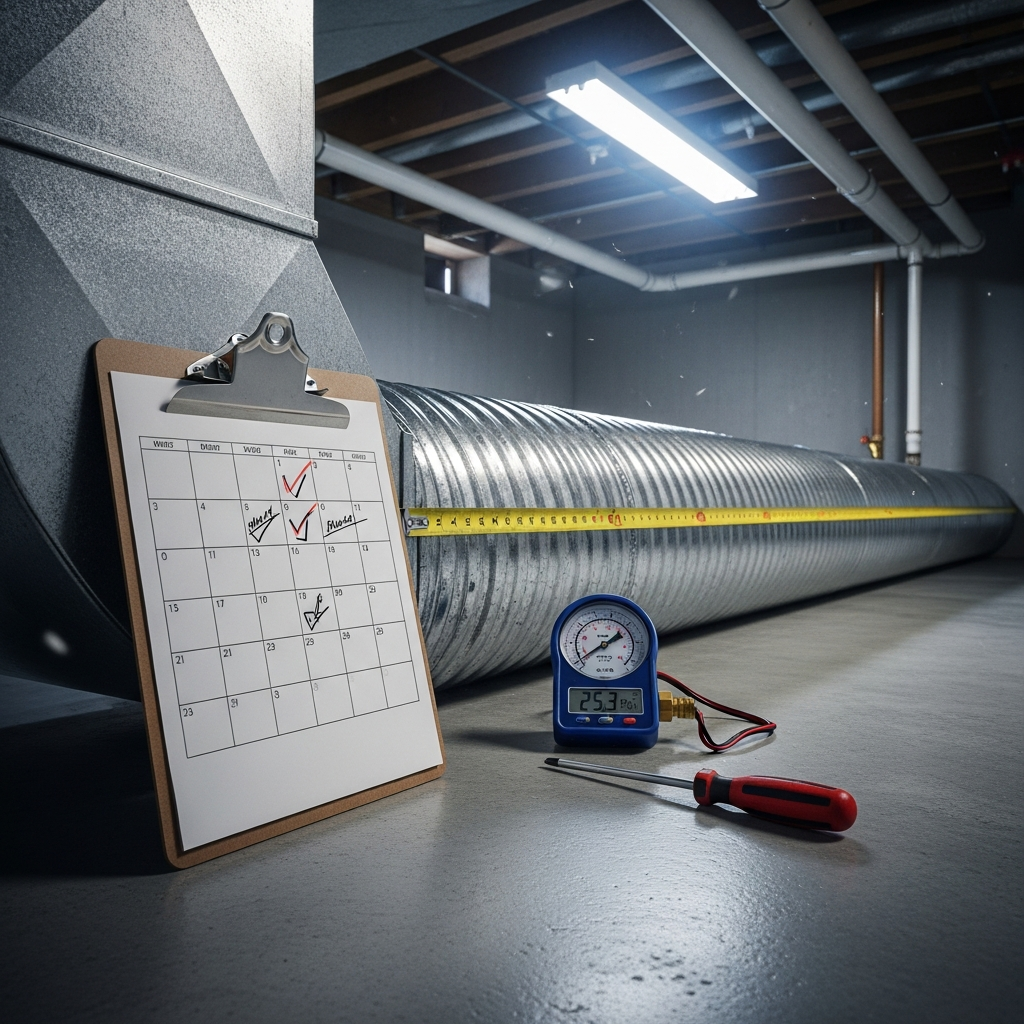
Planning HVAC air duct repairs in Somerville, New Jersey involves understanding timelines, scope, and expectations from inspection through verification. While every home is different, most projects follow a predictable sequence: discovery, diagnosis, targeted correction, and confirmation. When you work with a provider that communicates clearly and tests before and after, you gain confidence that the steps taken truly resolve airflow, leakage, and balance issues. If you are starting to map out your project, review local specialists who focus on air duct repair services and can explain how long each stage typically requires in homes like yours.
What shapes the project timeline
Several variables influence how long repairs take. Access is a primary factor: attics with tight clearances, basements with obstacles, or finished chases require careful planning. The complexity of the system also matters. Homes that have been expanded or remodeled may have long branch runs, multiple transitions, or mismatched trunks feeding additions. Material condition plays a role too; degraded tape, failing supports, and crushed flex require different solutions than a few isolated leaks. Finally, scheduling considerations—such as coordinating work during moderate temperatures for attic safety—can guide the calendar without changing the quality of results.
The four stages of a successful repair
Stage one is discovery and conversation. You describe symptoms like uneven rooms, drafts, or noise, and share home history such as renovations or equipment changes. Stage two is diagnosis. Technicians inspect visible ducts, measure static pressure and airflow, and use tracers or temperature checks to locate problem areas. Stage three is targeted correction: sealing joints with mastic, replacing or re-routing crushed segments, improving transitions, and confirming balanced returns. Stage four is confirmation and documentation, which includes re-testing, photos, and a walkthrough explaining what changed and why it matters.
Typical durations by activity
Initial walkthroughs and testing often occur within a single visit, particularly when access is straightforward. Targeted repairs can range from focused half-day tasks to more involved work spanning multiple visits if the system has widespread issues or challenging access. Verification is built into the end of each work session so improvements are measured, not assumed. In Somerville, it is common for a blended timeline that adapts to the home’s layout—tight older attics may prompt earlier-day scheduling, while basements allow more flexible hours.
Seasonal planning for Somerville homes
Somerville’s humid summers and chilly winters place stress on duct seals and materials. Scheduling with the seasons in mind helps crews work safely and validate improvements under representative conditions. Spring and fall often provide comfortable windows for attic or crawlspace tasks, while winter and summer calls may concentrate on accessible basement or interior utility areas. A good provider will adjust timing to protect your home and the technicians while preserving the integrity of the work.
Managing scope without disruption
Thoughtful planning keeps the project orderly. Technicians protect floors, manage dust, and stage tools so daily life continues with minimal interruption. They coordinate brief equipment shutdowns and maintain clear walkways. If surprises arise—like a hidden transition in a finished chase—they explain options before proceeding. Many improvements are surgical rather than sweeping: sealing a high-loss joint, correcting a pinched run, or adjusting a return can stabilize comfort dramatically without intrusive demolition.
Verification: the timeline’s anchor point
Verification transforms a schedule into a success. After each set of corrections, teams measure static pressure and airflow, confirm temperature balances, and review visual checkpoints. This approach ensures the time invested translates into quieter vents, steadier room temperatures, and cleaner air distribution. Documented results also guide any next steps, preventing unnecessary work and keeping the project focused on what truly improves performance.
Coordination during the project
Clear mid-project communication keeps everyone aligned. If the crew encounters a compressed run behind a soffit or an undersized return starving several rooms, they should present alternatives and explain the expected impact of each. You may choose a staged plan that resolves the top priorities now and schedules secondary items later. The key is that decisions are data-informed and respectful of your routines and preferences. For Somerville homes with varied construction eras, this collaborative approach produces smoother timelines and better outcomes.
Special considerations for older houses
Many Somerville homes feature decades of layered upgrades. Older framing and tight chases demand careful routing, secure supports, and sealing that tolerates seasonal movement. Additions attached to original structures can create mismatch points where leaks and turbulence are common. Experienced providers anticipate these conditions and plan solutions that deliver real comfort improvements while preserving the home’s character and finishes.
What to prepare before work begins
Before the first appointment, clear access to utility spaces, attics, or crawl areas, and secure pets. Gather any information about past renovations, energy audits, or equipment changes. If certain rooms are your top priority, mark them on a quick sketch or list. These steps help the team focus testing and repairs efficiently so the schedule stays predictable and progress is easy to follow.
Aftercare and maintaining gains
When the project wraps up, you should receive photos and notes showing what was changed and how readings improved. Keep supply and return grilles free of obstructions, replace filters on schedule, and consider a quick seasonal check of visible joints in basements or attics. If you plan a remodel, include your duct layout in the conversation so new framing or insulation does not pinch or block pathways. These habits preserve the benefits of the repair and reduce the likelihood of future disruptions.
Frequently asked questions
Q: How do I estimate how long my repair will take? A: The most reliable indicator is an on-site assessment that includes testing and photos. Access, system complexity, and material condition all influence duration. A provider should share a realistic schedule after diagnosing your specific layout.
Q: Do I need to leave the house? A: Typically no. Crews coordinate brief system shutdowns and keep work areas tidy so you can continue your day with minimal interruption.
Q: Can targeted repairs make a big difference? A: Yes. Strategic sealing, correcting a key restriction, or improving a return often stabilizes room temperatures and reduces noise quickly, especially in homes with additions or long branch runs.
Q: What if new issues appear during the project? A: Good communication is built in. The team will explain options, show evidence, and adjust the plan, keeping the timeline clear and the goals in sight.
Q: How will I know the work succeeded? A: Verification. After readings and a walkthrough, you should feel steadier comfort and see documentation of improved airflow and pressure balance.
Plan with confidence
When you understand the steps and timing, you can plan your days and look forward to genuine comfort improvements. Partner with a Somerville team that explains each phase, protects your home, and proves results. If you are ready to map out a smooth, well-verified project, reach out to local experts in air duct repair services and move from uncertainty to steady, reliable airflow throughout your home.
