
Older homes in Somerville, New Jersey enchant with character, craftsmanship, and history. They also present unique challenges for heating and cooling because aging ductwork, tight chases, and layered renovations can degrade airflow and invite dust into living spaces. A thoughtful combination of duct cleaning and targeted repair restores comfort without sacrificing the charm that drew you to the home in the first place. This guide explains how professionals approach older systems, what to prioritize during inspection, and how to keep improvements durable through Somerville’s humid summers and brisk winters. As you consider your next steps, explore local specialists who focus on air duct repair services and understand the intricacies of mixed-age construction.
Why older homes need a different approach
Vintage houses often have duct layouts created long before modern equipment and insulation standards. Over the decades, additions and remodels have spliced new branches into original trunks, and access points may be scarce. Materials can vary from metal to flex, with transitions hidden behind plaster or paneling. These conditions call for diagnostics that combine visual inspection with pressure and airflow testing, plus gentle cleaning methods that protect fragile components. A team experienced with older structures knows how to work within limited access, preserve finishes, and still deliver measurable results.
Signs your ducts are ready for cleaning and repair
Common clues include dust accumulation that returns soon after cleaning, rooms that run too hot or too cold, vent noises like whistling or rattling, and musty odors when the system starts. In basements, you might spot gaps at joints, deteriorated tape, or crushed sections of flex. At registers, you may feel weak airflow or see visible debris. If renovations or insulation upgrades were completed without a duct review, airflow imbalances can crop up as the house “breathes” differently. Left unaddressed, these issues can move dust and odors around the home and force equipment to work outside its comfort zone.
How pros inspect older duct systems
Professionals begin with a conversation about comfort patterns and home history. They then inspect accessible sections in basements, attics, and closets, documenting conditions with photos. Testing may include static pressure, temperature readings at key registers, and tracer methods to locate leaks. Returns get close attention in older homes because they are often undersized or compromised by past remodels. The result is a prioritized plan that details cleaning needs, repairs, and potential layout improvements. This plan explains expected benefits in plain language so you can choose the steps that matter most for your home.
Cleaning methods gentle on older materials
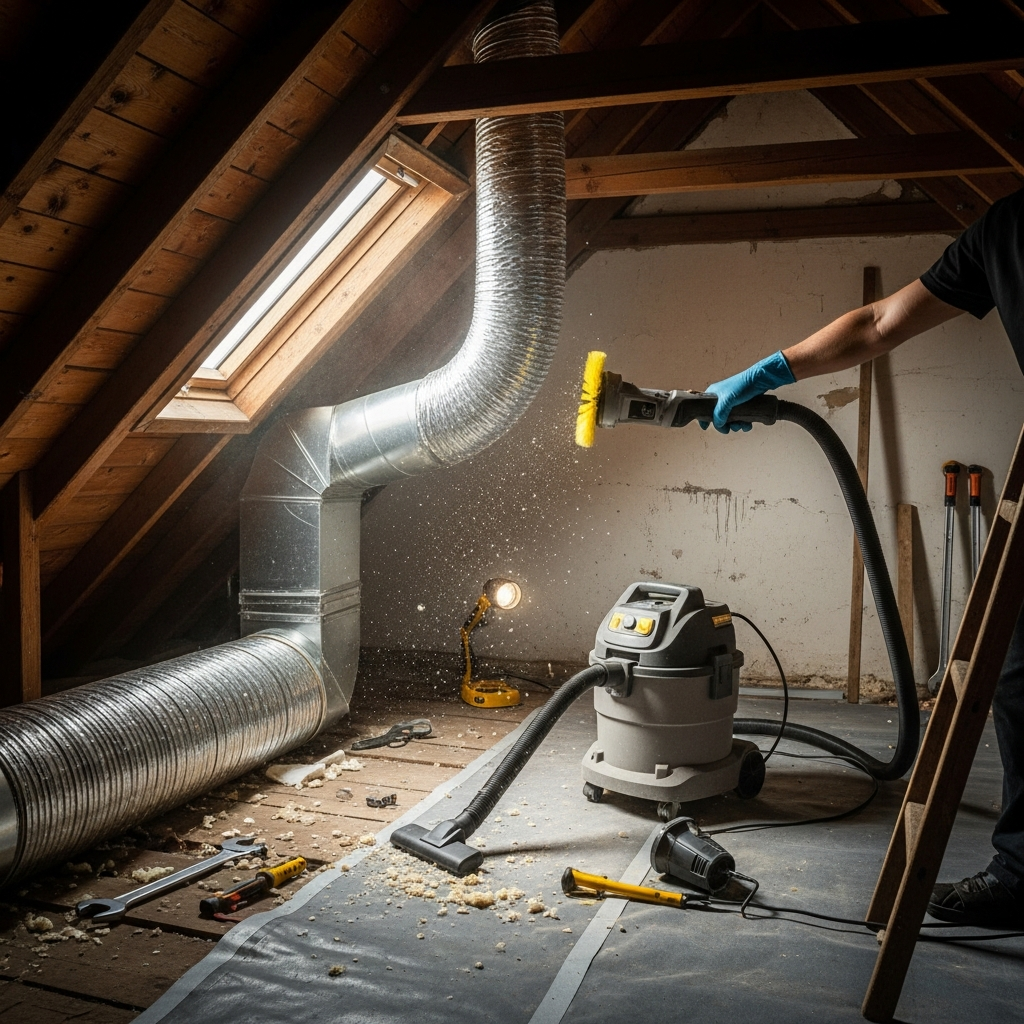
Not all cleaning tools are suitable for vintage ducts. Gentle agitation with brush systems, controlled negative pressure, and careful access points help remove debris without damaging older metal seams or fragile flex. Technicians seal access panels after work with appropriate materials and confirm that no tools or debris remain in the ducts. In homes with historical finishes, crews protect floors and furnishings and route hoses thoughtfully to avoid scuffs or dust migration. The goal is freshness and cleanliness without introducing new problems.
Targeted repairs that transform comfort
Once the system is clean, targeted repairs address root causes of poor performance. Priority fixes include sealing leaky joints with professional-grade mastic, correcting crushed or kinked runs, re-supporting long branches, and improving transitions where new work meets old. In many older Somerville homes, enhancing return pathways unlocks the most dramatic improvements because it allows the system to move air smoothly and quietly. After corrections, technicians re-test to verify better airflow, lower leakage, and more consistent temperatures room to room.
Balancing preservation and performance
Older houses deserve sensitivity. Skilled teams find ways to strengthen performance without dismantling original finishes. They use existing chases creatively, choose access points that can be discreetly sealed, and select materials that remain stable through seasonal expansion and contraction. If a major reroute is necessary, they explain options and trade-offs, but many homes achieve excellent results through surgical improvements that respect the building’s character.
Moisture, insulation, and attic considerations
Attics in older homes can run hot in summer and cold in winter, stressing duct seals and insulation. Proper support and insulation around ducts in these spaces help maintain supply temperatures and reduce condensation risks. Basements can introduce moisture if drainage is poor, so maintaining dry conditions around return pathways is important. During inspection, technicians watch for signs of past leaks or condensation marks and adjust the plan accordingly. Small improvements in insulation continuity and support can have outsized comfort benefits.
Health and indoor air quality
Leaky ducts can draw air from basements, attics, and wall cavities, sending dust and odors into living rooms and bedrooms. Cleaning removes accumulated debris, while sealing and rebalancing keep new dust from entering the system. When appropriate, professionals may suggest filter upgrades that match your equipment, but the foundation is an airtight, well-supported duct network that moves clean air where it belongs. Homeowners often notice fresher-smelling rooms and quieter, smoother airflow right after the work is complete.
Preparing your home for the visit
Before the crew arrives, clear a path to utility areas, attics, or crawlspaces. Move fragile items away from vents where access is needed, and secure pets. Share any history about past remodels, insulation projects, or equipment changes, since those events can influence current airflow. If particular rooms are your top concerns, let the team know. This preparation lets technicians focus their time on what matters most to you, keeping the visit efficient and effective.
Life after cleaning and repair
Post-project, you should see steadier temperatures and less dust migration. Keep vents unblocked by furniture and rugs, and replace filters on schedule. If you plan cosmetic updates or new built-ins, include the duct layout in planning conversations to avoid compressing or enclosing runs. A quick seasonal check of visible joints and supports, especially in attics and basements, helps maintain the gains made during the repair.
Frequently asked questions
Q: Will cleaning alone fix airflow problems? A: Cleaning improves freshness but does not seal leaks, correct crushed runs, or rebalance returns. Pairing cleaning with targeted repairs delivers durable comfort gains in older homes.
Q: How do I know if returns are undersized? A: Symptoms include noisy vents, weak supply air, and rooms that never stabilize. Testing during inspection reveals whether returns are the culprit and what improvements will help most.
Q: Do repairs require opening walls? A: Most improvements target accessible areas. If hidden issues are severe, your provider will explain options and select minimally invasive access points that can be discreetly sealed.
Q: Will repairs change how my home looks? A: Skilled teams protect finishes and keep access discreet. Most work occurs in basements or attics, so visible changes inside living spaces are minimal.
Q: How quickly will results appear? A: Many homeowners feel better airflow and quieter operation immediately after sealing and balancing, and dust levels typically decline in the days following cleaning.
Bring back comfort while honoring your home’s character
Older Somerville homes shine when airflow is smooth, fresh, and balanced. With gentle cleaning, precise diagnostics, and targeted repairs, you can enjoy modern comfort without compromising historic charm. If you are ready to revitalize your home’s air distribution, connect with local experts who specialize in air duct repair services and understand the care older structures deserve.
