
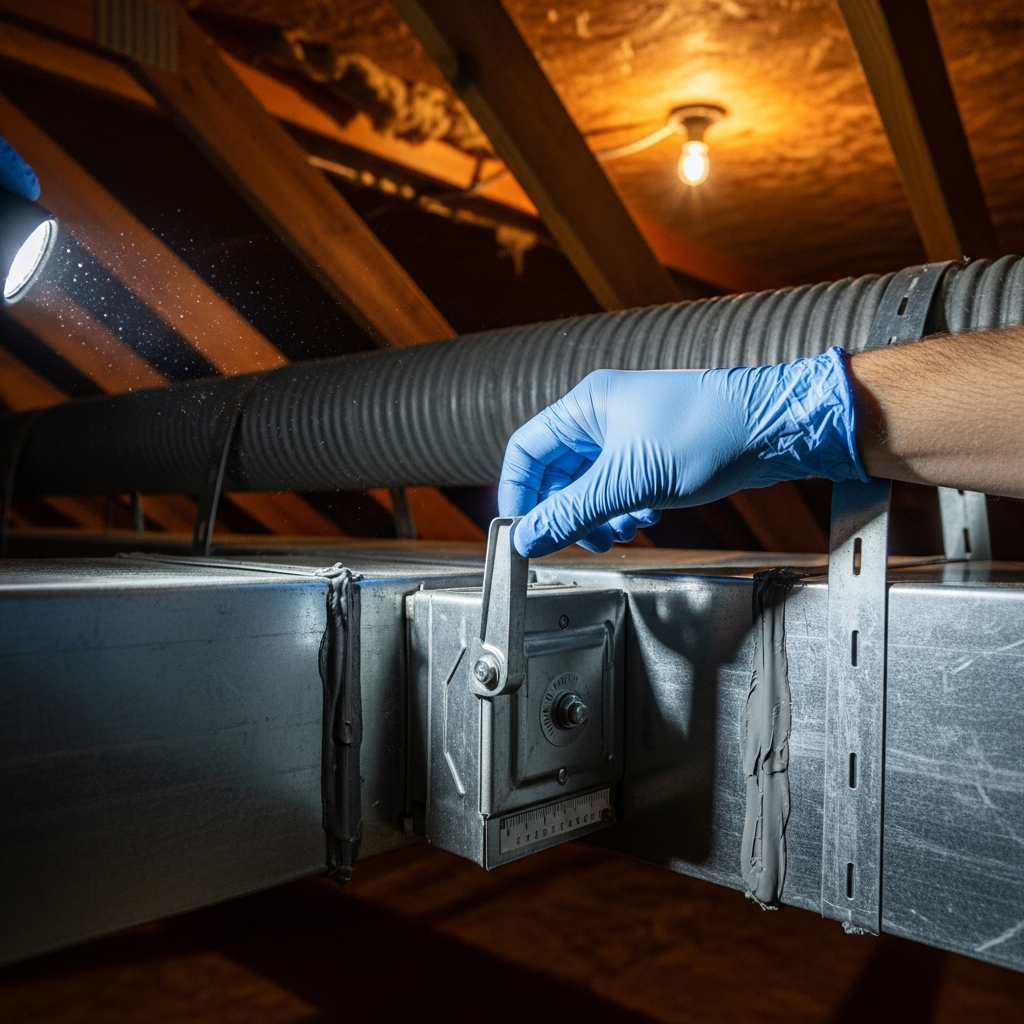
Introduction: Practical Tips for Reliable Comfort
Successful ductwork is more than sheet metal and screws—it is a series of choices that protect airflow, indoor air quality, and comfort in every season. In Somerville, New Jersey, homes contend with winter chills and humid summers, so duct design and installation must be both airtight and adaptable. This guide distills proven tips and best practices you can apply before, during, and after installation to get the most from your system. If you are evaluating options for new or replacement air duct installation, use these insights to steer decisions and set clear expectations with your contractor.
Design Tips that Pay Dividends
- Start with solid load calculations. Airflow targets per room guide duct sizing, register selection, and balancing plans.
- Prioritize return air. Generous, quiet returns prevent pressure imbalances, whistling grilles, and dusty infiltration from cavities.
- Place supplies for mixing. Registers near exterior walls help counter drafts in winter and heat gain in summer.
- Plan for doors. Closed-door bedrooms need dedicated returns or transfer paths to maintain pressure neutrality.
- Draw clean transitions. Long-radius elbows and gradual size changes cut turbulence and noise.
Material and Routing Best Practices
- Use metal trunks with short, well-supported flex branches to diffusers when possible.
- Limit flex length and avoid tight bends; keep inner liners smooth to reduce friction.
- Isolate ducts from structural vibration using proper hangers and padding where needed.
- Seal boots to surrounding surfaces to block unconditioned air entry.
- Label runs and dampers for straightforward service and tuning.
Sealing, Insulation, and Moisture Control
Airtight ducts and appropriate insulation are nonnegotiable for efficiency and comfort. In humid Somerville summers, insulation helps prevent condensation on cold duct surfaces that can damage framing or finishes. Apply mastic at seams and use approved tapes for long-lasting seals. Verify continuity of vapor barriers where required to keep moisture in check.
Noise Reduction Strategies
- Keep static pressure within equipment guidelines through correct sizing and layout.
- Select diffusers that spread air quietly rather than creating jets.
- Consider sound attenuation on returns near bedrooms or offices.
- Support ducts at recommended intervals to prevent rattles and vibration.
Balancing and Commissioning Essentials
Final performance depends on testing and adjustments. Measure static pressure, verify CFM at key registers, and set balancing dampers so each room meets its target. Document readings and walk the homeowner through filter access and maintenance. Commissioning is where design becomes comfort.
Working in Real Somerville Homes
Older homes and layered additions reward creativity. Use closets or new soffits as chases to conceal ducts. When space is tight, consider slimmer ducted systems for specific zones. Coordinate with other trades to avoid conflicts and maintain service access. Plan register locations with furniture layouts in mind to keep airflow unobstructed.
Indoor Air Quality Considerations
- Match filter efficiency to blower capability to avoid excessive pressure drop.
- Provide return paths for closed-door rooms to reduce dust and maintain ventilation.
- Seal bypasses that allow attic or basement air into the system.
- Discuss controlled ventilation strategies where appropriate for fresher indoor air.
Contractor Selection Checklist
- Asks about your comfort goals and room-by-room issues.
- Performs load calculations and shares airflow targets.
- Explains duct sizing, register placement, and return strategies.
- Commits to sealing, insulation, and documented commissioning.
- Respects your home with protection, clean work habits, and clear communication.
Maintenance for Lasting Performance
Replace filters on schedule, keep registers free of obstructions, and check that dampers remain in intended positions after seasonal changes or renovations. If you notice new hot or cold spots, schedule a balancing review. Small corrections maintain the system’s designed performance for years.
Frequently Asked Questions
Q: What is the single most important best practice?
A: Sealing and balancing. Airtight ducts preserve capacity, and balancing ensures that capacity reaches each room. Together, they deliver quiet, even comfort.
Q: How can I reduce noise from my ducts?
A: Control static pressure with correct sizing and returns, choose diffusers that diffuse rather than blast, and ensure ducts are well supported to prevent vibration.
Q: Will insulating ducts help in my basement?
A: Yes. Insulation protects delivered air temperature and reduces condensation risk on cold ducts in humid months, helping basements feel more comfortable and dry.
Q: Do I need a return in every bedroom?
A: Not necessarily, but each closed-door room needs a pressure-relief path—whether a dedicated return, jump duct, or transfer grille—so air can circulate properly.
Q: Can I reuse some of my existing ductwork?
A: If sections are in good condition and appropriately sized, selective reuse can be effective. An inspection will identify what to keep and what to replace for best performance.
Q: How often should dampers be adjusted?
A: After commissioning, dampers rarely need changes. If room use or furnishings change significantly, a quick balance check helps maintain comfort.
Putting It All Together for Somerville Comfort
The best duct systems are the result of clear goals, careful design, disciplined installation, and measured commissioning. When each step is done right, your equipment works less, rooms feel better, and indoor air stays cleaner. If you are planning improvements or a new system, compare local air duct installation services with an eye toward documented testing and long-term support. Confidence comes from numbers and craftsmanship working together.
Make Your Next Step Count
Ready to create steadier temperatures, quieter rooms, and healthier indoor air? Schedule a professional assessment that translates your comfort goals into a tailored plan with clear documentation and verified results. Start today by exploring expert air duct installation and discover how thoughtful design and installation can elevate comfort in your Somerville home.
