Introduction: Building Confidence Through Compliance
Safe, efficient, and durable duct systems are built on more than good intentions—they rely on codes, standards, and best practices that protect homeowners and buildings. In Somerville, New Jersey, residential ductwork must align with the state’s adopted construction and mechanical codes as enforced by local officials. While your contractor will manage permitting and inspections, a basic understanding of key requirements helps you ask informed questions and verify that work is being performed to a professional standard. If you are considering new or replacement air duct installation, this guide explains common code themes and quality benchmarks that lead to a safe, quiet, and compliant system.
Permits, Plans, and Inspections
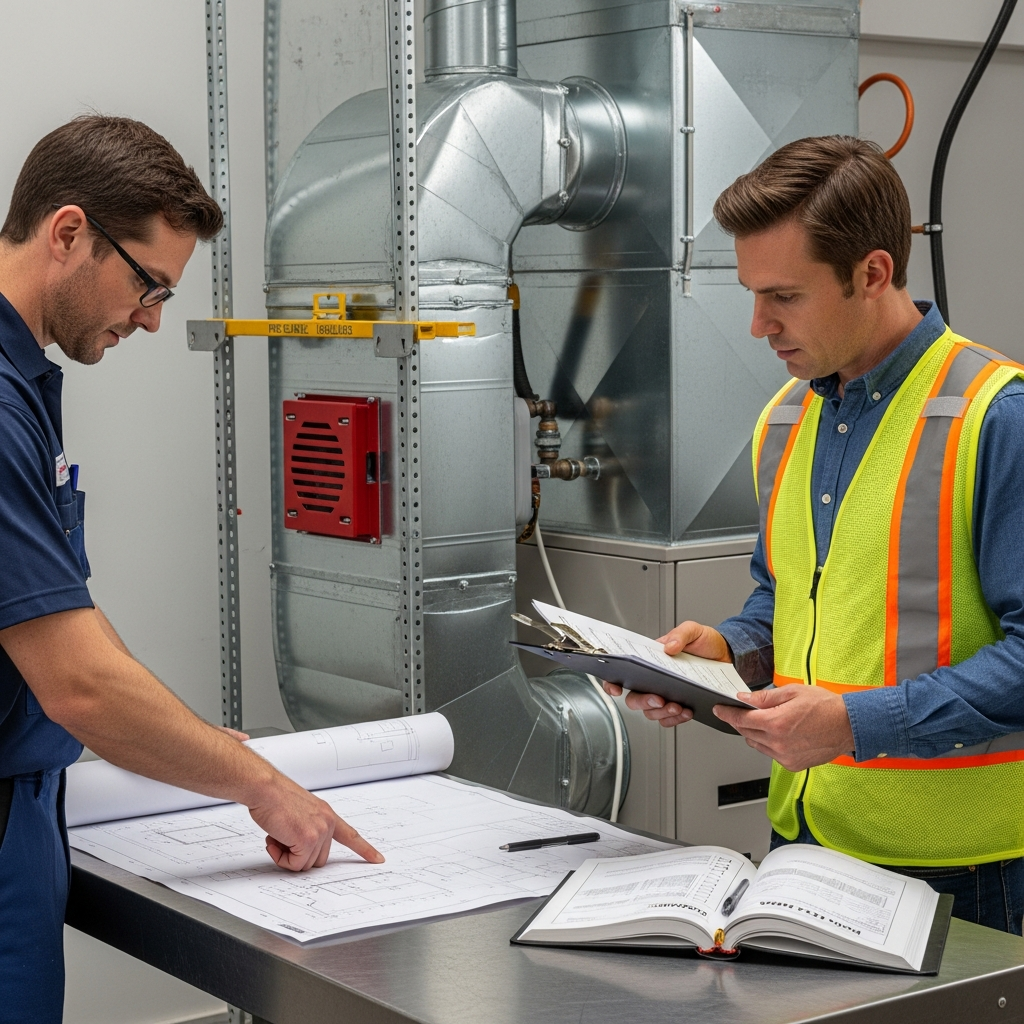
Most residential duct installations associated with new HVAC equipment or substantial alterations require a mechanical permit. The process typically includes submitting plans or a description of work, scheduling inspections, and addressing any corrections identified by the authority having jurisdiction. Clear drawings, accurate equipment data, and responsive communication help projects proceed smoothly from rough-in to final approval.
- Obtain necessary permits before work begins.
- Provide layout details showing supply and return locations, equipment, and duct types.
- Be available for scheduled inspections and any requested clarifications.
Materials and Installation Practices
Codes and standards guide allowable duct materials, joining methods, and support. Common expectations include using approved materials compatible with the application, supporting ducts to prevent sagging or damage, and ensuring that joints and seams are sealed with appropriate mastics or tapes. Installers should avoid sharp edges, kinks, or compressions that restrict airflow, and maintain required clearances from building materials and equipment.
Sealing and Insulation
Air leakage wastes energy and can draw dust or moisture into living spaces. Requirements emphasize sealing all seams, joints, and penetrations with suitable materials and insulating ducts in unconditioned areas to limit heat gain or loss. In humid conditions, insulation also mitigates condensation on cold surfaces that could lead to moisture damage.
Support, Access, and Serviceability
Ducts must be supported at intervals that prevent sagging and structural stress. Access openings should be provided where necessary for inspection, cleaning, or servicing components such as dampers and air cleaners. Good labeling improves serviceability and helps inspectors verify that the installed system matches the approved plan.
Fire and Smoke Considerations
Codes address the use of fireblocking and draftstopping where ducts pass through assemblies, as well as the application of fire and smoke dampers where required by design. Penetrations of rated assemblies must be protected according to approved methods. Materials must meet relevant flame spread and smoke development characteristics for their intended locations.
Clearances and Location
Minimum clearances from combustibles and appropriate separation from electrical components protect safety and service access. Installers plan routes to avoid conflicts with framing and utilities, maintain working space around air handlers and furnaces, and follow manufacturer instructions that function as part of the code requirements for listed equipment.
Return Air and Pressure Balance
Codes and best practices discourage using certain spaces (such as garages) as return air sources to protect air quality and safety. Adequate return pathways help maintain neutral pressures across rooms, especially where doors are typically closed. Transfer grilles, jump ducts, or dedicated returns may be used to satisfy design intent while respecting acoustic and aesthetic goals.
Condensation Control and Moisture Management
Somerville’s humid summers make condensation control a practical necessity. Proper insulation levels, continuous vapor barriers where required, and careful sealing at boots and penetrations prevent moisture from forming on or being drawn into ducts. In addition to energy savings, this attention protects surrounding building materials and preserves indoor air quality.
Balancing, Testing, and Documentation
Beyond code minimums, quality installations include testing and balancing to verify airflow and static pressure within the equipment’s design limits. Documented readings and a homeowner walkthrough demonstrate that the system performs as intended. Inspectors may focus on visible workmanship, but commissioning proves the invisible aspects are right as well.
Energy Efficiency Considerations
Energy codes aim to reduce leakage and thermal losses. Duct sealing, insulation in unconditioned spaces, and verified airflow help equipment reach setpoints without excessive run times. A well-executed duct system supports comfort and efficiency while complying with regulatory goals.
Working in Existing Homes and Additions
Retrofits often require creative routing through existing framing. When adding soffits or chases, ensure they meet structural and fireblocking requirements. Coordinate with other trades to avoid conflicts and protect access for future service. Where older ducts remain in place, verify they are in good condition, appropriately sealed and insulated, and compatible with new components.
Noise Control and Comfort Quality
While not always a code item, noise control is essential to homeowner satisfaction. Generous return sizing, smooth transitions, and thoughtful register placement reduce turbulence and vibration. Sound attenuation is easiest to achieve when designed in from the start and verified during commissioning.
Homeowner Responsibilities
Even with a code-compliant installation, ongoing maintenance preserves safety and performance. Replace filters on schedule, keep registers clear, and schedule periodic inspections. After any renovation, recheck airflow and balancing to ensure comfort remains consistent.
Frequently Asked Questions
Q: Who handles permits and inspections for ductwork?
A: Most contractors manage permit applications and coordinate inspections as part of their service. Homeowners can help by approving plans promptly and ensuring access for inspectors.
Q: Are there rules about what materials can be used?
A: Yes. Codes and standards specify acceptable materials and joining methods for different applications. Your installer will select components that meet these requirements and suit your home’s layout.
Q: Do all ducts need insulation?
A: Ducts in unconditioned areas typically require insulation to limit heat gain or loss and prevent condensation. Your contractor will recommend insulation appropriate to location and climate.
Q: How is duct leakage addressed?
A: By sealing all seams and joints with approved materials and, in some projects, performing tests to verify leakage control as part of commissioning or energy code compliance.
Q: Can return air come from any room?
A: Returns should be designed to protect indoor air quality and safety. Certain spaces, like garages, are not suitable as return sources. Adequate return pathways for closed-door rooms are essential for balanced pressure.
Q: What happens if the inspector requests changes?
A: The contractor will address corrections and coordinate a reinspection. Open communication keeps projects moving and ensures the final system meets local requirements.
Plan with Confidence in Somerville
A code-aligned installation is the foundation of safe, efficient comfort. By partnering with professionals who design carefully, seal and insulate thoroughly, and verify performance, you gain a quieter home, steadier temperatures, and long-term reliability. Ready to review options and navigate permitting smoothly? Explore expert air duct installation services that combine craftsmanship with compliance. When design rigor meets code knowledge, the result is comfort you can trust season after season.
Start Your Project the Right Way
If you are planning a renovation or new system, take the next step with a professional assessment that translates goals into a compliant, documented design. Clear plans, careful execution, and verified performance protect your investment and your home. Begin by learning how thoughtful air duct installation can deliver safe, quiet, and efficient comfort in Somerville.
