
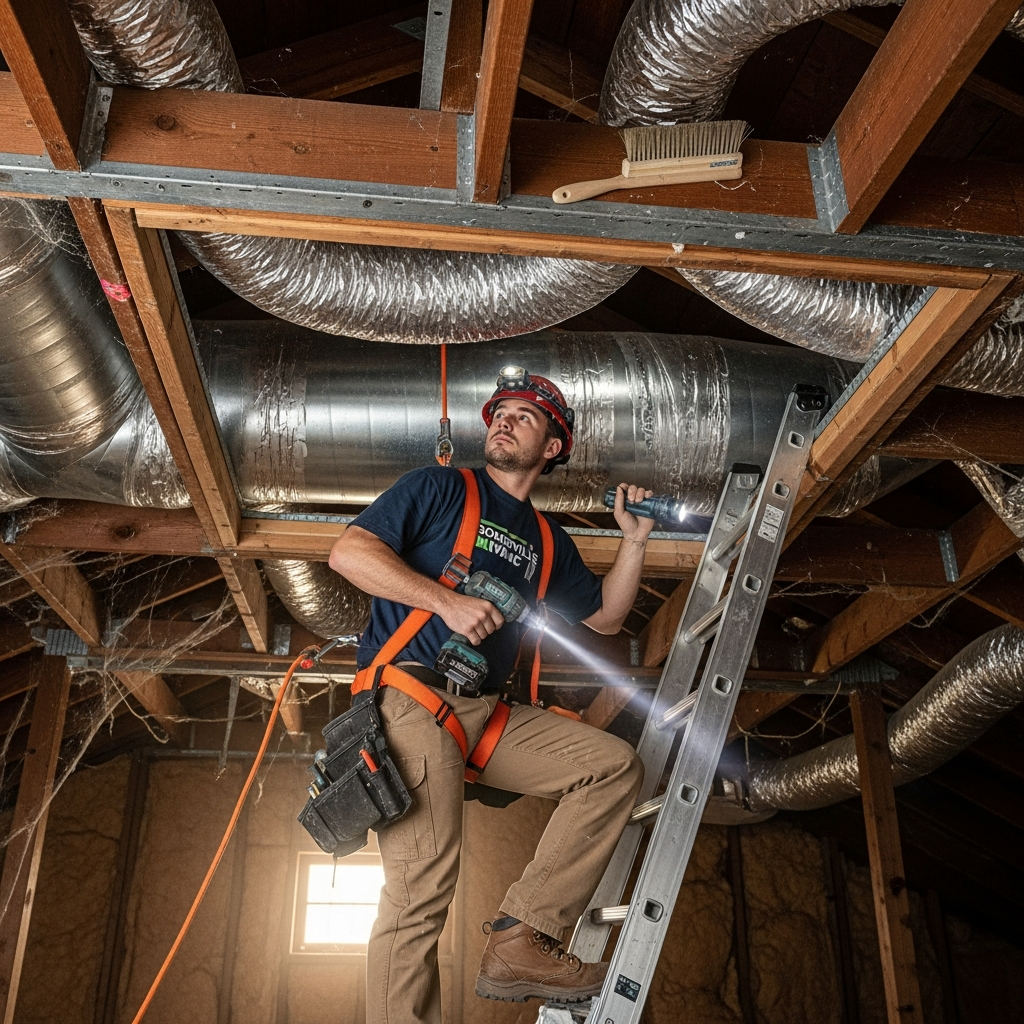
Searching for “air duct installation near me” in Somerville, New Jersey usually means you want a local expert who understands the town’s housing styles, seasonal climate, and inspection process. You also want a team that listens, explains options clearly, and delivers measurable results. This guide helps you evaluate nearby professionals, decide what kind of duct system fits your home or small business, and set expectations for a seamless experience from the first walkthrough to final commissioning. If you would rather hand off the heavy lifting to a proven local crew, look for specialists whose core service is air duct installation so your project benefits from established methods and quality controls.
“Near me” should mean more than proximity. It should signal familiarity with common Somerville home layouts, from capes and colonials to townhomes and mixed-use buildings. A local team can anticipate typical framing quirks, attic and crawlspace conditions, and the way seasonal humidity and winter cold affect duct insulation and condensation control. When the installer is accustomed to local inspectors’ expectations, you are more likely to pass reviews smoothly and avoid schedule slips.
What to expect during a local evaluation
The first visit should feel like a listening session. A thorough contractor will ask how each room feels across seasons, where noise bothers you, and whether anyone in the household has allergy sensitivities. They will examine existing equipment, available chases, attic or basement access, and the condition of old ducts if present. Measurements of room dimensions, window exposures, ceiling heights, and insulation levels inform load calculations that determine airflow needs by room.
Expect a discussion about return strategies, filtration, and noise control. Short, taut flex connections, rigid trunks, long-radius fittings, and careful register selection are building blocks for quiet delivery. In homes over garages or with additions, routing and insulation decisions make or break comfort in the farthest rooms.
Designing a system that fits your space
A solid design translates room loads into target airflow and then into duct sizes, register choices, and damper locations. Your plan should show supply and return routing, cfm targets at each register, and details like insulation levels in unconditioned spaces. Designs that emphasize smooth transitions and balanced returns tend to produce even temperatures and low noise. If the plan relies on lots of long flex runs or sharp turns, ask whether rigid sections or alternative routes could perform better.
Indoor air quality plays a central role in design. Filtration choices affect resistance to airflow, so the team should pair filters with duct and fan settings that maintain target cfm. Airtight returns prevent dusty or humid air from being pulled from attics or crawlspaces. Boots must be sealed to the surrounding envelope to stop leakage behind walls or floors.
Installation practices that predict performance
What you see on installation day matters. Clean, organized staging; sealed seams with mastic or approved tapes; properly spaced hangers; and capped open ducts at day’s end are telltale signs of quality. Rigid trunks should run straight and level. Flex branches should be short, pulled tight, and routed with gentle curves. Boots should sit squarely and be sealed to drywall or flooring. Supports must not compress insulation, and penetrations through rated assemblies should be firestopped correctly and neatly.
Noise control continues during installation. Lined returns can reduce background sound, and register placement should avoid strong drafts in seating areas or workstations. If you are reworking ducts in a lived-in space, expect careful dust control, floor protection, and daily cleanup.
Testing, balancing, and documentation
After installation, the system should be tested and adjusted. Pressure testing quantifies leakage so joints can be sealed until targets are met. Measuring register airflow verifies that each room receives the intended cfm, and dampers are adjusted accordingly. Equipment airflow, static pressure, and temperature splits are checked to ensure the system operates within manufacturer guidelines. A simple, clear report with airflow by room, damper positions, and equipment settings becomes your record for future service or renovations.
Mid-project or at final walkthrough, it is wise to invite questions and review photos of concealed junctions. If something seems unclear—why a duct turns where it does, how a return was sized—ask for a brief explanation. Transparent contractors are happy to show how decisions protect comfort and longevity.
How to compare nearby providers
Start with credentials and references. Ask whether the company performs load calculations, provides drawings, and commits to testing and balancing. Review sample reports and job photos. Look for evidence of neat, airtight work and thoughtful routing. Compare proposals for specificity: duct sizes, materials, insulation levels, sealing methods, damper placement, and commissioning steps should be listed clearly. Be cautious with proposals that promise speed without explaining how they will maintain cleanliness, airtightness, and code compliance.
Communication style matters. You want a team that sets a schedule, provides updates, and treats your home or workspace respectfully. Ask how they handle surprises and changes. The answer often reveals the difference between a smooth job and one that drifts off track.
Somerville-specific insights
Older homes in Somerville can have irregular framing and limited chase space. Early planning for trunk routes and returns prevents last-minute compromises that create noise or restrict airflow. Basements converted to living areas benefit from quiet returns and well-insulated ducts through unconditioned zones. In humid summers, condensation risks rise when insulation is thin or vapor barriers are damaged; careful workmanship keeps interiors dry and clean.
Local winters put heating comfort to the test. Supply register placement and balanced returns on both floors of two-story homes make a noticeable difference during cold snaps. In mixed-use buildings, coordinating penetrations through rated assemblies and installing accessible fire/smoke dampers keeps inspections smooth and maintenance straightforward.
FAQ
Q: How long does a typical local installation take? A: Timelines vary with scope and access. What matters most is that the team maintains cleanliness, airtightness, and thorough testing rather than rushing to the finish.
Q: Can parts of my old ductwork stay? A: Possibly. Contractors should evaluate condition, sizes, and routing against your current loads and then test and seal any reused sections. Strategic reuse can work when it supports overall performance goals.
Q: How can I keep noise low? A: Use properly sized ducts, long-radius fittings, balanced returns, and quiet registers. Limit flex to short, taut branches. Lined return trunks can help in noise-sensitive areas.
Q: What documentation should I receive? A: Expect a summary of airflow by room, damper positions, equipment airflow and static pressure, and notes on any design adjustments. Photos of concealed junctions are helpful for future service.
Q: What if I plan to remodel later? A: Ask your installer to design with expansion in mind and to document today’s system thoroughly so future changes integrate smoothly without sacrificing comfort.
Take the next step with a trusted local team
When you are ready to improve comfort, lower background noise, and ensure reliable airflow in your Somerville home or workspace, connect with a nearby expert who treats design and testing as seriously as installation. Choose a contractor whose day-to-day work is dedicated to air duct installation so your project benefits from clear planning, airtight workmanship, and verified performance from the first season to the next.
