
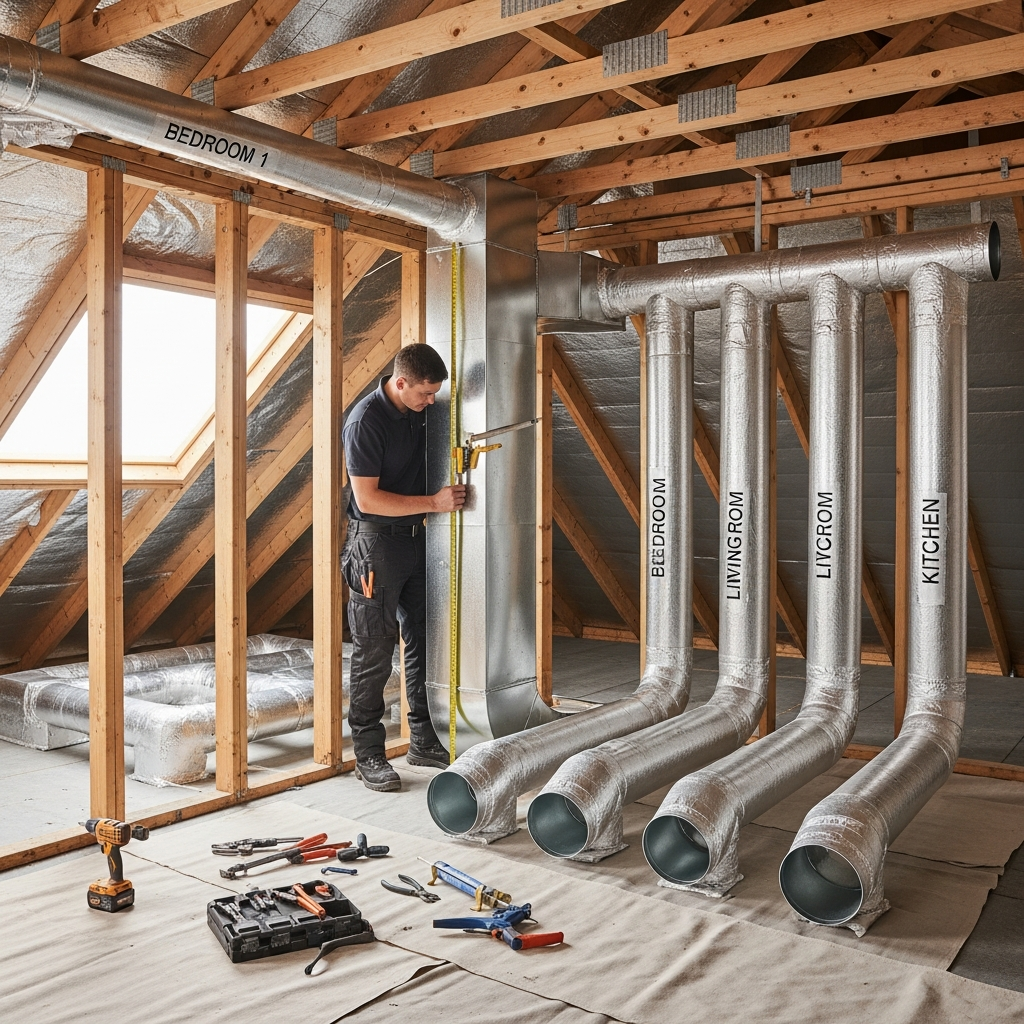
Introduction: Why Quality Ductwork Matters for Somerville Homes
Healthy airflow is the quiet engine of indoor comfort. In Somerville, New Jersey—where winters can be brisk and summers humid—your heating and cooling system relies on a well-designed network of ducts to deliver consistent, clean, and efficient air to every room. When homeowners think about comfort, they often picture the furnace, heat pump, or air conditioner. Yet it is the ductwork that determines whether that conditioned air actually reaches you effectively. Thoughtful planning, correct sizing, airtight sealing, and careful installation all add up to better comfort, improved indoor air quality, and lower energy waste. If you are considering upgrades or new air duct installation in a Somerville property, understanding the fundamentals of modern ductwork is the best place to start.
This comprehensive guide explains how ducts work, why professional design and installation are essential, what to expect from a full-service provider, and how to keep your system performing at its best for years. Whether you are renovating a historic colonial, finishing a basement, adding a second-floor suite, or building a new home in the Borough of Somerville, the right ductwork strategy can deliver quieter operation, steadier temperatures, and a healthier living environment.
What Ductwork Does—and Why It Affects Comfort
Your air handler or furnace conditions air at a central location. Ducts distribute that air to supply registers and return it back for reconditioning. Good ductwork accomplishes three goals simultaneously:
- Even distribution: Every room receives the right volume of air to match its size, use, and solar exposure.
- Quiet operation: Properly supported, insulated, and sealed ducts reduce vibration and noise.
- Clean air movement: Smooth interior surfaces and correct filtration keep dust from settling and recirculating.
In practice, a high-efficiency HVAC unit cannot overcome poor duct design. Undersized returns, long restrictive runs, and unsealed joints force equipment to work harder, shortening component life. Balanced design ensures correct static pressure, efficient blower performance, and stable airflow.
Why Somerville, New Jersey Conditions Shape Ductwork Choices
Local climate and housing stock guide duct decisions. Somerville experiences cold snaps in winter and sticky summer heat. These swings place a premium on systems that minimize energy loss and control humidity. Many homes in the area feature basements, attics, and additions built in different decades, creating challenges such as limited chases, mixed construction methods, and rooms with variable loads. A thoughtful duct layout must account for:
- Basement supply and return strategies that avoid cold floors and drafty rooms.
- Second-floor comfort where heat rises and cooling loads spike in summer.
- Air sealing and insulation levels in older walls and attics.
- Opportunities for zoning to tame temperature differences between floors or additions.
These factors determine sizing, materials, insulation levels, and the need for dampers or zoning controls.
Professional Design and Installation: The Case for Expertise
A complete ductwork service does more than hang metal or flex. It begins with load calculations, airflow targets, and layout optimization tailored to your home. Technicians then choose materials, static pressure strategies, and installation methods that protect efficiency and longevity. The benefits include:
- Right-sized trunks and branches for each room’s airflow requirement.
- Adequate return pathways to reduce noise and prevent pressure imbalances.
- Sealed, insulated ducts that protect delivered air temperature and reduce condensation risks.
- Service-friendly access points and labeling that streamline future maintenance.
Good installers also anticipate long-term performance: avoiding sharp turns that cause turbulence, preventing crushed flex runs, isolating ducts from structural vibration, and placing registers for optimal mixing.
Materials Overview: Metal, Flex, and Duct Board
Different sections of a system benefit from different materials. Common options include:
- Galvanized sheet metal: Durable, smooth interior surface, easily cleaned, excellent for trunks and returns.
- Insulated flexible duct: Useful for short branches to diffusers; requires careful support to prevent sagging and friction.
- Fiberglass duct board: Provides built-in insulation; best where space is tight and sound attenuation is desired.
Most homes use a hybrid approach: metal trunks and returns with short, properly supported flex branches. The installer’s skill in transitions, takeoffs, and sealing determines how quietly and efficiently the system will operate.
Air Sealing and Insulation: Protecting Every BTU
Sealing all seams, joints, and fittings with approved mastic and tape reduces leakage that would otherwise send conditioned air into attics, basements, or wall cavities. Insulation combats temperature loss and unwanted condensation. Together, these steps protect comfort and conserve energy. In humid summers, insulation also prevents duct “sweating,” which can cause moisture damage in adjacent building materials.
Sizing and Balancing for Room-by-Room Comfort
Even in modest-sized homes, every room behaves differently. Corner bedrooms lose heat faster in winter; sunrooms gain heat in summer; kitchens and baths generate humidity. A professional balances these differences by:
- Calculating airflow per room based on load and usage.
- Choosing register locations that promote thorough mixing and minimize drafts.
- Including balancing dampers to fine-tune supplies during commissioning.
- Ensuring adequate returns in closed-door rooms to prevent pressure imbalances.
Balancing at startup and verifying with measurements helps lock in performance. Over time, minor adjustments may be needed as furnishings or room uses change.
Common Signs You Need Ductwork Improvements
Homeowners in Somerville often call for help after noticing one or more of these symptoms:
- Hot and cold spots between rooms or floors.
- Persistent dust accumulation despite regular cleaning.
- Whistling registers, rattling ducts, or vibrating walls.
- Musty odors when the system cycles on.
- High humidity in summer or dry, drafty rooms in winter.
- Unusually long run times or short cycling of HVAC equipment.
These problems typically trace back to undersized returns, unsealed joints, crushed flex runs, or poorly located supply registers.
Choosing a Full-Service Provider in Somerville
A reputable ductwork company will perform a detailed assessment, document existing conditions, and provide a clear plan that aligns with your home’s architecture and your comfort goals. Look for technicians who measure static pressure, confirm airflow, and explain how their design manages noise, humidity, and filtration. Mid-project, expect updates on progress and any discovered issues such as inaccessible chases or inadequate insulation. The best partners communicate, adapt, and verify performance before they consider the project complete. When comparing air duct installation services, ask about commissioning procedures, warranty terms, and maintenance recommendations so you know what to expect for the long haul.
Design Details that Pay Off
Small choices make large differences in comfort and durability. Consider these practices:
- Straighten runs and minimize elbows to reduce turbulence.
- Use long-radius elbows where turns are necessary.
- Install manual balancing dampers at branch takeoffs for fine-tuning.
- Provide deep return grilles with low-pressure drop for quieter operation.
- Seal boots to floors or ceilings with mastic to block unconditioned air infiltration.
- Support flex duct every few feet and limit length to manufacturer guidance.
- Label trunks and branches to simplify future service and homeowner understanding.
These details collectively reduce noise, improve system response, and protect energy savings.
Indoor Air Quality and Filtration Considerations
Modern duct systems integrate filtration and ventilation strategies to keep indoor air healthier. High-MERV filters, when compatible with your blower and static pressure targets, can capture finer particulates. Dedicated return paths help rooms with closed doors continue to breathe. In some homes, a fresh air intake with controlled ventilation improves indoor air quality without excessive energy use. Discuss filtration media, filter access, and replacement intervals during design so that ongoing maintenance is practical.
Working in Older and Renovated Somerville Homes
Historic homes and layered additions present special challenges. Spaces behind knee walls, shallow joist bays, and finished basements may offer few obvious pathways. Creative solutions include slim ducted mini-splits for tight zones, vertical chases built into closets, and soffits that double as design elements. The goal is a layout that preserves architectural character while achieving balanced, quiet comfort. A careful installer will coordinate with carpenters and electricians to conceal ducts elegantly and maintain service access.
Commissioning: Verifying Success Before Handover
After installation, commissioning ensures the system performs as designed. This includes:
- Visual inspection of all joints, supports, and insulation.
- Static pressure and airflow measurements to confirm targets.
- Balancing dampers set for each branch to match room needs.
- Temperature and humidity spot checks under load.
- Homeowner walk-through, filter location review, and maintenance schedule discussion.
Commissioning is your assurance that the ductwork you paid for will operate as intended, season after season.
Maintenance for Longevity
Routine care protects performance. Replace or clean filters on schedule, keep supply registers and returns unobstructed, and monitor for unusual noises. If you renovate, change room layouts, or add equipment, consider a follow-up airflow evaluation. Periodic inspections can catch insulation gaps, loose straps, or aging sealant before they become comfort issues.
Frequently Asked Questions
Q: How long does a typical residential duct installation take?
A: Project length varies with home size, access, and whether existing ducts are being replaced. A straightforward retrofit might take a few days, while complex layouts with new chases or soffits can require more time. Clear staging and communication keep schedules on track.
Q: Will new ductwork make my home quieter?
A: Properly sized returns, smooth transitions, and well-supported ducts reduce turbulence and vibration, which often lowers noise. Register selection and placement also contribute to quieter operation.
Q: Can I reuse existing ducts?
A: Sometimes. A thorough inspection may find that certain trunks or branches are serviceable, while others are undersized or leaky. Blending reuse with strategic upgrades can be cost-effective without compromising performance.
Q: What insulation level do ducts need?
A: Requirements depend on location (attic, basement, crawlspace) and the local energy code. Your installer will recommend insulation and vapor control suited to Somerville’s climate and your home’s architecture.
Q: Do I need zoning?
A: Zoning helps where floors or additions have very different loads or usage patterns. It allows independent control and can reduce hot/cold spots. An evaluation will determine whether zoning benefits outweigh added complexity.
Q: How does duct sealing help air quality?
A: Sealed ducts prevent unfiltered air from being pulled from attics, basements, or wall cavities. This helps control dust and moisture while preserving delivered temperature.
Q: What maintenance should I plan for?
A: Replace filters as recommended, keep vents clear, and schedule periodic inspections. After any major renovation, recheck airflow and balancing.
Planning Your Project with Confidence
Strong results come from clear goals and collaboration. Start with a comfort wishlist for every room, then invite a professional to measure, calculate, and design. Ask to see layout diagrams and to review how returns, supplies, and registers will serve each space. Clarify expectations for noise, humidity control, and filtration. With a thoughtful plan and accountable installation, your ductwork will quietly support daily life in every season.
Take the Next Step in Somerville
If you are ready to transform comfort, improve indoor air quality, and support energy efficiency, partner with a local specialist who can explain options in plain language and stand behind the workmanship. Schedule an evaluation today and explore how modern design, precise installation, and proper sealing can elevate your living spaces. To begin, learn more about professional air duct installation and how a custom plan can fit your Somerville home and lifestyle.
