Introduction: What Makes a Great Hood Cleaning Company?
Choosing a hood cleaning partner in Somerville, New Jersey is about more than shiny metal. The best companies combine technical skill, safety discipline, transparent communication, and reliable documentation so you can focus on running your kitchen. With the right partner, you gain confidence that your system—from canopy and filters to ductwork and fan—captures heat and grease effectively every day. This guide will help you evaluate providers, understand what a thorough service includes, and spot the red flags that could lead to callbacks or, worse, safety issues. As you compare options or plan your next service cycle, remember that experienced kitchen exhaust hood cleaning support can complement your in-house efforts and help keep your operation inspection-ready year-round.
Below, you will find criteria for screening, questions to ask, and an overview of work practices that distinguish dependable companies from the rest. A bit of due diligence up front pays off with fewer surprises and steadier performance later.
Credentials and Compliance
Start by confirming that any company you evaluate understands and works to the standards commonly referenced for commercial cooking operations. Ask about technician training, documented procedures, and safety programs that address lockout/tagout, ladder and roof work, chemical handling, and environmental controls. Verify that the company maintains appropriate insurance and can provide certificates upon request. Inquire how they protect fire suppression components during cleaning and how they document pre- and post-service conditions.
Good providers will have a structured quality program that includes checklists, photos, and sign-offs. They should be able to explain exactly how they access ducts, which tools they use for different soil levels, and how they keep rinse water controlled. Clarity here is a strong indicator of professionalism and repeatable results.
Scope of Work: What a Thorough Service Includes
A complete hood cleaning typically covers filters, canopy interiors, accessible plenum surfaces, ducts via cleanouts, fan blades and housings, and grease containment where applicable. Expect careful protection of cooking equipment and surroundings, with a methodical top-to-bottom workflow that prevents re-soiling cleaned areas. The team should use food-contact-safe chemistry where needed, avoid unapproved caustics that can damage finishes, and rinse to a clean, residue-free surface.
Equally important is verification. After reassembly, the crew should run the system, check capture at the hood edge, and listen for vibrations that may suggest misaligned filters or fan issues. They should communicate any concerns and document findings so you can plan follow-up maintenance or replacements with confidence.
Communication and Scheduling
Strong companies respect your production schedule. They propose windows that fit your downtime, arrive prepared, and adapt to real-world conditions without compromising quality. You should receive clear pre-service instructions—such as cooling times and access needs—and post-service care notes that help your team keep surfaces clean between visits. If issues arise, they provide options and timelines rather than surprises. Responsiveness is part of value; a partner who answers calls and messages promptly reduces your stress when questions come up.
Safety and Environmental Practices
Ask how crews prevent slips, trips, and chemical exposure during cleaning. Look for PPE use, wet-floor signage, hose management, and careful protection of electrical components. On rooftops, teams should demonstrate fall protection awareness and keep grease containment tidy and functional. Environmentally, rinse-water handling matters; providers should strain or capture grease and follow local rules for disposal. Not only is this responsible, but it also signals care and attention to detail that typically carries through the rest of their work.
Pay attention to how the crew organizes the job site. Clean staging, labeled tools, and orderly filter racks are not cosmetic—they reflect process control and reduce mistakes.
References and Reputation
Ask for recent references in similar operations—cafés, full-service restaurants, commissaries, or institutional kitchens. When you contact references, inquire about punctuality, cleanliness after the job, thoroughness, and how the provider handled unexpected findings. Online reviews can offer clues, but direct conversations provide context and detail you cannot get elsewhere. A provider proud of their work will be happy to share contacts and examples.
Red Flags to Watch For
Beware of quotes or proposals that lack detail about scope, access methods, and verification. Vague language often precedes vague results. Be cautious if a provider relies heavily on harsh chemicals to “melt” grease quickly—this can etch stainless, damage aluminum, and leave residues that attract soil. Another warning sign is resistance to photography or documentation; if teams cannot show you what was done and where, it is difficult to prove compliance or plan future maintenance.
Also avoid vendors who dismiss the importance of make-up air balance or fan condition. Hood cleanliness without adequate airflow is only half a solution. Competent providers consider the whole system, not just shiny surfaces.
What to Expect on Service Day
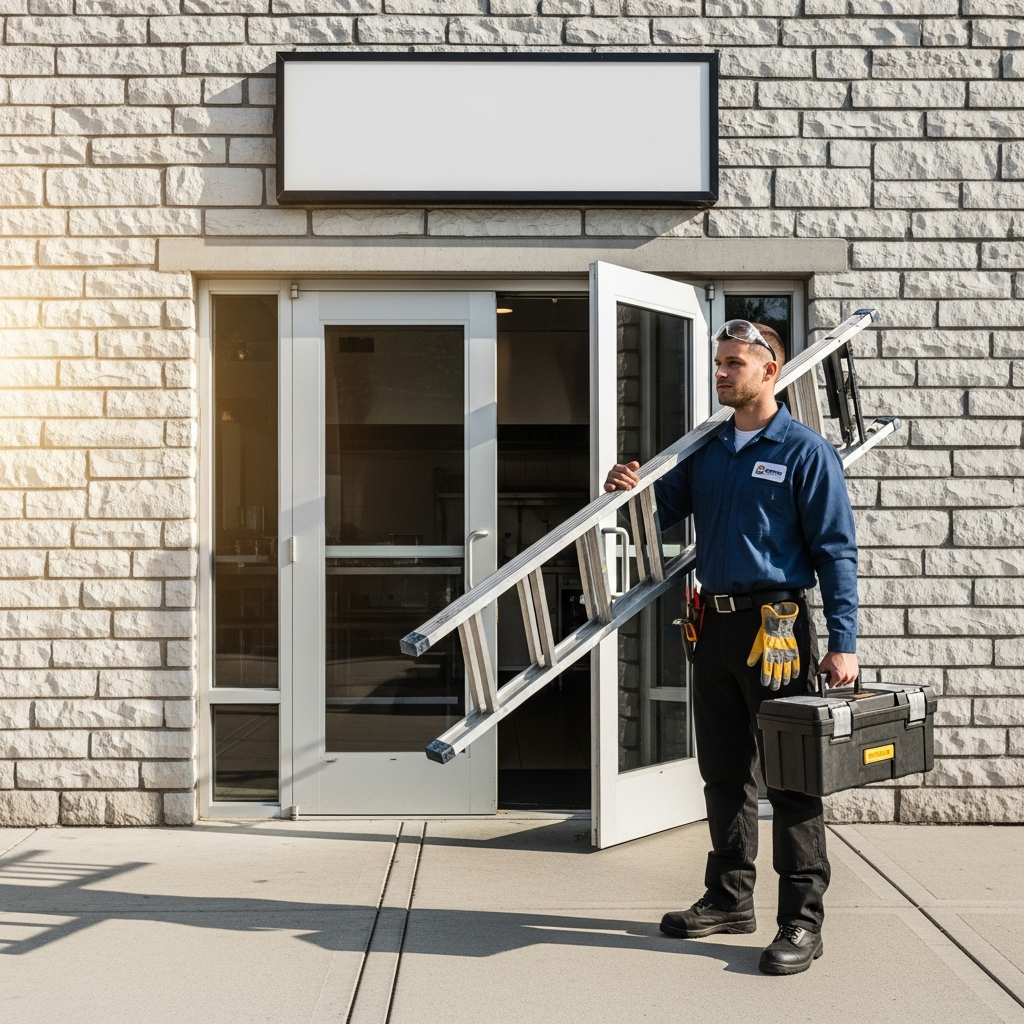
On the scheduled day, a well-prepared crew will walk the site with you, confirm scope, and note any sensitive equipment. They will stage protective covers, lock out power where needed, and organize a safe workflow from canopy to duct to fan. Filters will be removed, soaked, scrubbed, rinsed, and dried before reinstallation. Hood interiors and accessible plenum zones will be degreased and rinsed, ducts accessed through cleanouts will be cleaned methodically, and fan assemblies will be cleared of residue and checked for alignment and belt condition.
After reassembly, they will test the system, verify capture, and review findings with you. You should receive a concise report with photos and recommendations. Clear communication at this stage is critical; it equips you to adjust in-house routines, order replacement filters, or schedule follow-up maintenance without guesswork.
How to Compare Proposals
When proposals come in, compare scope line by line. Does the provider include duct and fan access, or only the visible canopy? How do they handle rinse-water control? Do they protect suppression components and document their condition? Are belts inspected and tensions recorded when accessible? Consider scheduling flexibility and how the crew plans to minimize downtime without cutting corners. A slightly longer visit that delivers a documented, thorough result is often the better value in the long run.
Ask how technicians are trained and evaluated. Providers who invest in training tend to deliver steadier results and safer jobsites.
Building a Long-Term Partnership
The best outcomes come from continuity. When a provider knows your menu, volume patterns, and equipment history, they can anticipate trouble spots and recommend interval adjustments that keep performance high. Share your internal logs so service intervals align with real-world conditions. Together, you can tune the maintenance rhythm to seasonal shifts, promotions, and special events in Somerville that drive traffic spikes.
Frequently Asked Questions
Q: How often should a commercial hood system be professionally cleaned? A: Frequency depends on cooking volume and methods. Many kitchens combine frequent in-house filter cleaning with scheduled professional service that addresses ducts and fans to maintain safe, efficient airflow.
Q: What documentation should I expect after a visit? A: A solid report includes before/after photos, notes on filters, plenum, ducts, and fan assemblies, any belt adjustments, and recommendations for repairs or replacements. Keep these with your internal logs for a complete record.
Q: How can I tell if a company cleaned beyond the canopy? A: Look for photos from cleanouts and fan housings, residue collected during the process, and clear descriptions of access methods. Post-service capture tests and vibration checks should also be documented.
Q: Are non-caustic degreasers effective? A: Yes, when paired with proper dwell time and agitation. Many providers prefer food-contact-safe, non-caustic chemistry to protect finishes and indoor air while still removing heavy soil.
Q: What happens if fan issues are found? A: Competent teams will note belt wear, alignment problems, or unusual vibration and either address them if within scope or recommend follow-up maintenance. Early detection helps prevent service disruptions.
Make Your Choice with Confidence
Finding the best hood cleaning company is about aligning expectations, verifying scope, and partnering with professionals who care about results. Seek providers who communicate clearly, work safely, and document thoroughly. When your partner treats your kitchen as a system—not just a surface—you get steadier capture, better comfort, and fewer headaches. If you want an experienced local team to complement your internal routines and help keep everything audit-ready, reach out for dependable kitchen exhaust hood cleaning support in Somerville and build a maintenance rhythm you can trust.
