
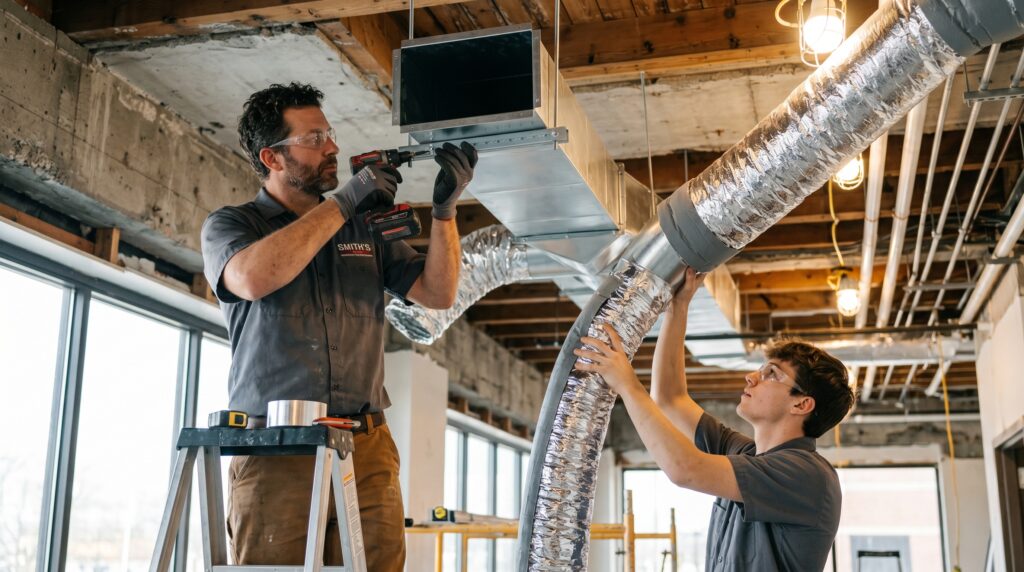
Introduction
A brand-new duct system is only as good as the care it receives from day one. In Somerville, New Jersey—where steamy summers and brisk winters test every part of your HVAC system—routine maintenance preserves airflow, protects indoor air quality, and keeps equipment running smoothly. Whether your ducts were just installed during a renovation or recently upgraded to solve comfort issues, use this comprehensive checklist to protect your investment and extend system life. If you prefer a professional to verify your setup and tune performance, consider scheduling reliable air duct installation support to ensure everything is sealed, balanced, and insulated to current standards.
Why Maintenance Matters After Installation
Even when ducts are designed and installed perfectly, daily living introduces dust, humidity, accidental impacts, and shifting furniture that can alter airflow patterns. Over time, filters load up, seals age, hangers loosen, and insulation can tear. A simple, repeatable maintenance routine prevents small issues from growing into large comfort problems.
Somerville’s climate adds specific risks. Summer humidity can cause condensation on cold supply ducts in attics or garages if insulation or vapor barriers are compromised. In winter, dry air and pressure imbalances can exacerbate drafts and noise. Maintenance addresses these seasonal realities before they undermine performance.
Safety First
Before any inspection or service, turn off power to the air handler. Wear gloves, eye protection, and a dust mask when working around insulation or cutting access panels. When in doubt about electrical or gas appliance clearances, pause and consult a qualified professional.
Post-Installation Baseline: What to Document
Start with a baseline record. If your installer provided a system map, damper settings, and filter sizes, keep those documents near the air handler. If not, create your own log:
- Equipment model numbers, filter size and type
- Locations of supply and return registers
- Damper positions for each branch
- Photos of concealed junctions and key transitions
- Insulation type and R-values in unconditioned spaces
These references make seasonal adjustments and troubleshooting far easier.
Monthly and Seasonal Tasks
Consistency is key. Break your maintenance into small, manageable steps performed at regular intervals.
- Filters: Inspect monthly and replace or clean as needed. Clogged filters reduce airflow, increase noise, and can lead to coil icing in summer.
- Registers and Grilles: Vacuum dust from supply and return grilles. Confirm furniture, rugs, or drapes are not blocking airflow.
- Visual Leak Check: Look for loose connections, peeling tape, or dried, cracked mastic—especially near plenums and takeoffs. Reseal promptly.
- Condensation Watch: In summer, inspect cold ducts in hot spaces for sweating. Repair jacket tears and ensure vapor barriers are continuous.
- Noise Audit: Listen for whistling registers or rattling hangers during operation. Noise changes often signal airflow restrictions or loose supports.
Spring Checklist
As cooling season approaches, prepare your ducts for higher humidity and longer run times.
- Insulation Integrity: Examine attic and garage ducts for crushed, torn, or missing insulation. Repair or replace sections to maintain R-value and vapor barriers.
- Support and Sag: Tighten hangers and add support where flex ducts sag. Sagging reduces airflow and can create noise.
- Boot and Register Seals: Seal gaps between boots and drywall or subfloor to prevent unconditioned air leakage around grilles.
- Drainage and Moisture: Check for signs of moisture intrusion in crawlspaces and seal ground vapor barriers. Keep ducts elevated and dry.
- Damper Positions: Open branch dampers slightly more to rooms that run warm in summer and verify that returns are unobstructed.
Fall Checklist
Before heating season, tune ducts for comfortable, quiet winter operation.
- Return Pathways: Ensure bedrooms and closed-door spaces have adequate return paths. Add jumpers or undercuts if pressure imbalances persist.
- Air Sealing Refresh: Touch up mastic at seams and around screws where movement has created microleaks.
- Combustion Clearances: Verify clearances around furnaces and flues. Do not store items against the air handler or block service access.
- Noise and Vibration: Confirm hangers isolate ducts from framing where practical to reduce vibration transfer.
- Dampers and Registers: Adjust for winter balance if needed, slightly favoring areas that tend to feel cooler. Document new positions.
Annual Deep-Dive Inspection
Set aside time once a year for a thorough walk-through of the entire duct system. This longer session catches slow-developing issues.
- Sealing Quality: Inspect every accessible joint, takeoff, and collar. Reapply mastic over any cracked or peeling areas. Verify UL 181 tape is intact under the mastic where used.
- Insulation Coverage: Confirm continuous insulation on all ducts in unconditioned spaces, with sealed vapor barriers. Replace missing jackets and repair punctures.
- Supports and Hangers: Check spacing along trunks and branches. Add supports where flex sags or where metal ducts have shifted.
- Dampers and Labels: Exercise manual dampers to prevent sticking. Refresh labels so future adjustments are clear.
- Boots and Grilles: Remove grilles and clean the first few feet of ducts where dust can accumulate. Reinstall with snug, rattle-free fasteners.
- Access for Service: Ensure filters are easy to access and clearly labeled. Provide a small storage area for spare filters and sealing supplies.
Moisture and Mold Prevention
Moisture management is vital in humid summers. Keep supply ducts cold on the inside and warm on the outside by maintaining insulation and vapor barriers. If you notice persistent condensation, investigate humidity sources in the space: roof leaks, unsealed attic penetrations, or crawlspace moisture can all contribute. Address these sources, repair duct jackets, and confirm continuous sealing.
Noise Reduction Tips
Quiet ducts start with balanced airflow and stable supports. If registers whistle, reduce velocity by opening a damper further upstream or slightly enlarging the branch during your next renovation. Add short sections of acoustically lined duct near the air handler if blower noise is traveling. Secure loose grilles with additional screws and add foam gaskets to prevent rattles.
Improving Air Quality
Clean ducts and good filtration support a healthier home. Choose filters that match your equipment’s capabilities—overly restrictive filters can raise static pressure and reduce airflow. Keep return grilles clean and avoid placing returns near sources of odors. If occupants have allergies, consider higher-efficiency filtration paired with professional verification of static pressure to protect performance.
When to Call a Professional
DIY maintenance goes a long way, but some situations warrant expert help. If you notice significant temperature differences between rooms, persistent condensation, high static pressure readings, or rapid filter loading, a pro can diagnose root causes and recommend fixes. In many cases, rebalancing dampers, resizing a branch, or adding a return solves stubborn comfort problems.
If your maintenance checks reveal repeated issues or if you want a top-to-bottom performance review, scheduling professional air duct installation services to verify sealing, support, and balancing can restore peak performance and extend equipment life.
Frequently Asked Questions
Q: How often should I replace filters? A: Check monthly and replace or clean as necessary. Homes with pets or high dust loads typically need more frequent changes.
Q: Do new ducts need cleaning? A: A careful installer caps boots during construction to keep debris out. After move-in, a light cleanup at grilles and the first few feet of ducts may be enough unless contamination occurred during renovation.
Q: Why do some rooms still feel stuffy? A: Returns may be insufficient or blocked, or branch dampers may favor other rooms. Rebalance registers and dampers, clear obstructions, and consider adding a return pathway.
Q: Is condensation on ducts normal? A: Brief moisture during extreme humidity is possible, but persistent sweating indicates missing insulation or vapor barrier damage. Repair jackets promptly and address humidity sources in the space.
Q: What maintenance prevents noise? A: Keep ducts well-supported, seals intact, and airflow balanced. Secure grilles, avoid crushed flex, and isolate ducts from framing where feasible.
Q: How do I know if static pressure is too high? A: Signs include noisy registers, reduced airflow, and equipment strain. A professional can measure static and recommend changes such as resizing branches or adding returns.
Protect Comfort Year-Round
With a simple, consistent checklist, you can keep your duct system performing like new. If you want a professional eye to confirm that sealing, insulation, and balancing are all dialed in, schedule trusted air duct installation services to optimize airflow and help your Somerville home stay comfortable in every season.
NEXT: Air Duct Installation Inspection Requirements In Somerville New Jersey
