
Even a well-planned duct installation can reveal surprises once the system is running under real-world conditions. Troubleshooting ensures your investment delivers quiet, even, and efficient comfort throughout your Somerville, New Jersey home. This guide explains how to diagnose common issues—airflow imbalances, noise, leaks, dust, odors, and condensation—along with the corrective steps professionals use to restore peak performance. If you are still in the planning stage, consulting a specialist for air duct installation helps prevent many of these problems through better design and commissioning.
Start With Baselines: The Commissioning Report
A strong installation concludes with documented measurements: total external static pressure, supply and return temperatures, and damper positions. Keep this report handy. When a room runs hot or cold, compare current readings to the baseline. Deviations reveal where to focus—on airflow restrictions, equipment settings, or leakage.
Airflow Imbalances
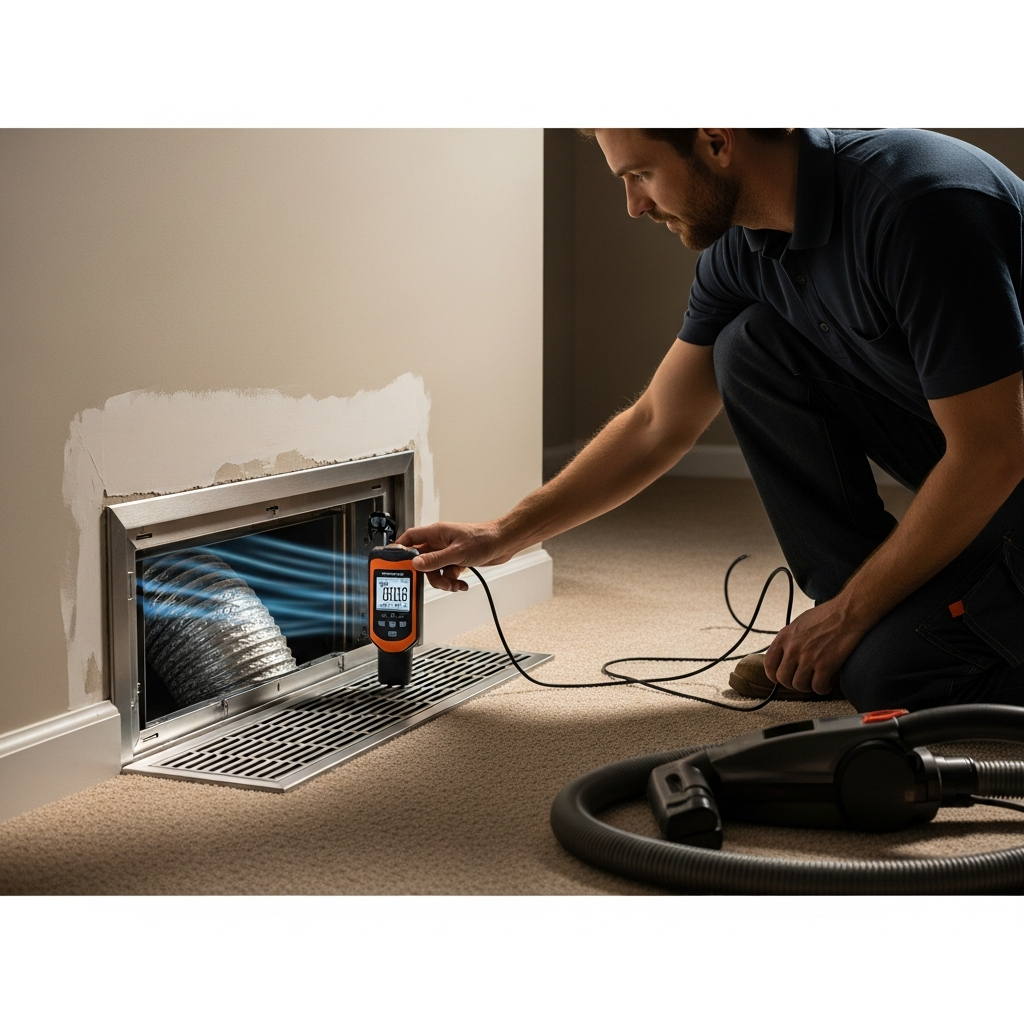
Symptoms: Rooms that never reach the thermostat setpoint, weak air from registers, or drafts in hallways. Causes include undersized branches, closed or mis-set dampers, crushed flex, or blocked returns. Start by confirming filters are clean and that furniture or drapes do not obstruct registers. Next, measure airflow with a flow hood or anemometer and compare to the design target for each room. If a branch is underperforming, check for kinks in flex, sharp elbows, or long runs that raise resistance. Adjust dampers to favor the affected room, and if necessary, resize the branch or add a return to relieve static pressure.
High Static Pressure
Excessive static pressure strains the blower, increases noise, and reduces airflow. Verify that the blower speed matches design and that filters and coils are clean. Inspect returns: restrictive return grilles or undersized return ducts are common culprits. Solutions include enlarging return ducts, adding a return on another level, or selecting larger, lower-resistance grilles. Ensure balancing changes do not over-restrict other rooms and create new problems.
Noise: Whistles, Rumbles, and Vibrations
Whistling at registers often indicates high outlet velocity or a grille that is too small. Upgrading to a larger diffuser or adjusting balancing typically helps. Rumbles or drumming suggest thin metal without sufficient support or a resonance in long, flat sections; add bracing or switch to lined metal or duct board on sensitive runs. Vibration noises can travel through framing; isolation pads at equipment connections and flexible connectors reduce transmission. Confirm that returns are not overly constricted, which can cause the blower to howl under load.
Leakage and Poor Sealing
Duct leakage wastes conditioned air and can draw dusty or musty air from attics and crawlspaces. Visual inspections catch obvious gaps, but pressure testing quantifies leakage and guides sealing efforts. Use mastic for seams and mesh over larger gaps, and apply UL-rated foil tape at appropriate joints. Seal supply boots to the subfloor or ceiling, not just the duct-to-boot joint. Verify return side sealing diligently; even small leaks can introduce odors or particulates from wall cavities or basements.
Dust and Indoor Air Quality Concerns
Excess dust around grilles points to infiltration or filter bypass. Check that the filter rack seals tightly and that returns are airtight. Balance supply and return flows to avoid negative pressure that can pull contaminants from garages or basements. If enhanced filtration is added, confirm the system’s capacity to handle the pressure drop; otherwise, airflow may fall, reducing comfort and coil performance.
Condensation and Moisture
In humid New Jersey summers, condensation on metal ducts indicates insufficient insulation or air leakage that cools surfaces below the dew point. Inspect insulation continuity, especially at elbows, boots, and transitions. Seal joints thoroughly and confirm vapor retarder orientation where required. Also, verify that supply air temperature and airflow meet design; excessively cold supply from low airflow can promote sweating.
Odors and Air Freshness
Musty or chemical smells often originate on the return side. Inspect for leaks that pull air from crawlspaces, basements, or utility rooms. Ensure the filter cabinet is sealed and that return paths are not running through dusty wall cavities without proper ducting. After sealing, run the system and reassess. Persistent odors may warrant a look at building sources unrelated to ducts, such as moisture intrusion or stored chemicals.
Room-by-Room Troubleshooting Framework
- Identify the symptom: temperature, airflow, noise, or odor.
- Measure: airflow at the register, room temperature versus setpoint, and static pressure.
- Inspect the path: register, boot, branch, takeoff, and trunk for kinks, compression, or sharp turns.
- Adjust: damper positions to rebalance flow.
- Seal: correct visible leaks with mastic and mesh where needed.
- Verify: re-measure and confirm improvement; document damper positions.
Returns: The Unsung Hero
Insufficient return air is the root cause of many issues. Check that each level has an adequate return and that grilles are not blocked. Measure pressure at the return plenum; a large negative pressure indicates restriction. Upgrades may include adding a dedicated return to distant rooms, enlarging existing return ducts, or installing lower-resistance grilles.
Thermostats, Controls, and Zoning
Improper thermostat placement—near sunlit windows or supply vents—causes short cycling or inaccurate readings. Relocate thermostats to central, representative locations. For zoned systems, verify damper operation and control logic. Incorrect programming or failed actuators can starve some rooms while over-supplying others. During troubleshooting, temporarily set all zones to similar setpoints to isolate mechanical from control-related issues.
When Noise Appears After a Few Weeks
Fasteners can loosen slightly as materials settle, revealing small leaks or rattles. A quick follow-up visit to tighten connections, reapply mastic where needed, and confirm hanger tension often restores quiet operation. Document changes and update the as-built diagram for future reference.
Weather and Seasonal Effects
Summer attic temperatures can elevate duct losses and exaggerate minor insulation gaps; winter stack effect can alter airflow patterns between floors. Seasonal checks—verifying insulation, seals, and damper positions—help maintain consistent comfort. Some homes benefit from modest seasonal damper tweaks if design anticipated such adjustments.
Homeowner-Friendly Checks Before Calling
- Replace or confirm proper filter installation.
- Open all supply registers and verify furniture clearance.
- Check thermostat batteries and settings.
- Listen for unusual hums or whistles to guide a technician.
- Photograph register and duct issues to share with the service team.
Professional Diagnostics
Technicians use manometers, flow hoods, and thermal cameras to pinpoint problems. A static pressure profile across the filter, coil, and supply/return trunks shows where restrictions live. Smoke pencils reveal leakage paths. These tools turn guesswork into targeted corrections, saving time and preventing unnecessary changes.
Mid-Project and Post-Project Lessons
Troubleshooting often reveals design opportunities. If a branch consistently underperforms, resizing or rerouting may deliver better long-term results than endless damper tweaks. If returns run loud, a larger return or an additional path can quiet the system and reduce blower strain. Use findings to update the as-built layout and inform future renovations.
Preventive Strategies During Installation
- Label dampers and record initial positions on the handover sheet.
- Photograph concealed runs before closing walls or ceilings.
- Use radius elbows and smooth transitions to reduce future noise.
- Seal boots to the envelope and verify return tightness.
- Insulate thoroughly in unconditioned spaces; double-check elbows and boots.
Frequently Asked Questions
Q: My upstairs is hotter than downstairs. Is this a design flaw?
A: Not necessarily. Two-story homes naturally stratify. Balanced supplies, robust returns on the upper level, and occasional seasonal damper adjustments usually resolve the issue. If not, branch resizing or zoning may be appropriate.
Q: Why do I hear a whistle at one vent?
A: High outlet velocity or a small grille is typical. Upgrading to a larger diffuser or adjusting nearby dampers reduces whistling.
Q: Can I add a return after installation?
A: Yes. Adding a return is a common corrective step to reduce static pressure, quiet the system, and improve comfort balance.
Q: How do I know if I have duct leaks?
A: Visual gaps, dust streaks near seams, or musty smells are clues. A duct pressurization test quantifies leakage and pinpoints sealing priorities.
Q: Are flexible ducts always a problem?
A: No. Properly supported, stretched, and limited-length flex can perform well. Issues arise when flex is kinked, compressed, or used for long, winding runs.
Putting It All Together
Effective troubleshooting blends measurement, inspection, and smart adjustments. In Somerville homes, the best outcomes come from tight returns, balanced branches, strong insulation, and documented baselines. When issues arise, a structured approach restores comfort quickly and guides durable improvements. If you are considering a new project or a comprehensive tune-up, partnering with pros who design, test, and document sets you up for long-term success. From first design decision to follow-up service, precise air duct installation and methodical diagnostics keep your system performing at its best.
Restore quiet, even comfort
Describe your symptoms, schedule a diagnostic visit, and review a clear action plan to correct airflow, sealing, or control issues. With a focused troubleshooting process, you can reclaim steady temperatures, quieter rooms, and cleaner air throughout your home. Connect with a Somerville specialist to get started.
