Air quality and comfort begin with healthy, well-sealed ductwork. In Somerville, New Jersey, homeowners often wonder how repair and cleaning fit together—what comes first, when each is necessary, and how to plan a smooth, effective project. This guide explains the relationship between structural duct repairs and cleaning, the benefits of addressing both at the right time, and the steps you can expect along the way. If you are just starting to explore options, connect with a local specialist in air duct repair to see how your home’s layout and history shape the best approach.
Repair and Cleaning: How They Work Together
Think of repairs as fixing the duct “roads,” while cleaning removes debris from those roads. If leaks and loose connections remain, cleaning can be short-lived—dust and unfiltered air continue entering through gaps, and conditioned air can escape before reaching rooms. That is why professionals usually recommend sealing and structural fixes before a thorough cleaning, especially when return leaks pull air from basements, attics, or wall cavities.
When to Prioritize Repairs
- Visible gaps, crushed sections, or sagging flex runs affect airflow and cleanliness.
- Whistling, rattling, or fluttering sounds suggest loose joints or pressure issues.
- Uneven temperatures hint at leaks, obstructions, or design imbalances.
- Dust build-up that returns quickly may indicate return-side leaks drawing in unfiltered air.
Addressing these issues ensures that when you do clean, the benefits last longer and airflow improves.
When to Add Cleaning
- After repairs have sealed the system to prevent recontamination.
- Following renovations, when drywall dust and debris can enter the ducts.
- If occupants have heightened sensitivity to dust or dander and internal buildup is confirmed.
- When airflow is reduced by visible debris at registers or identified obstructions inside runs.
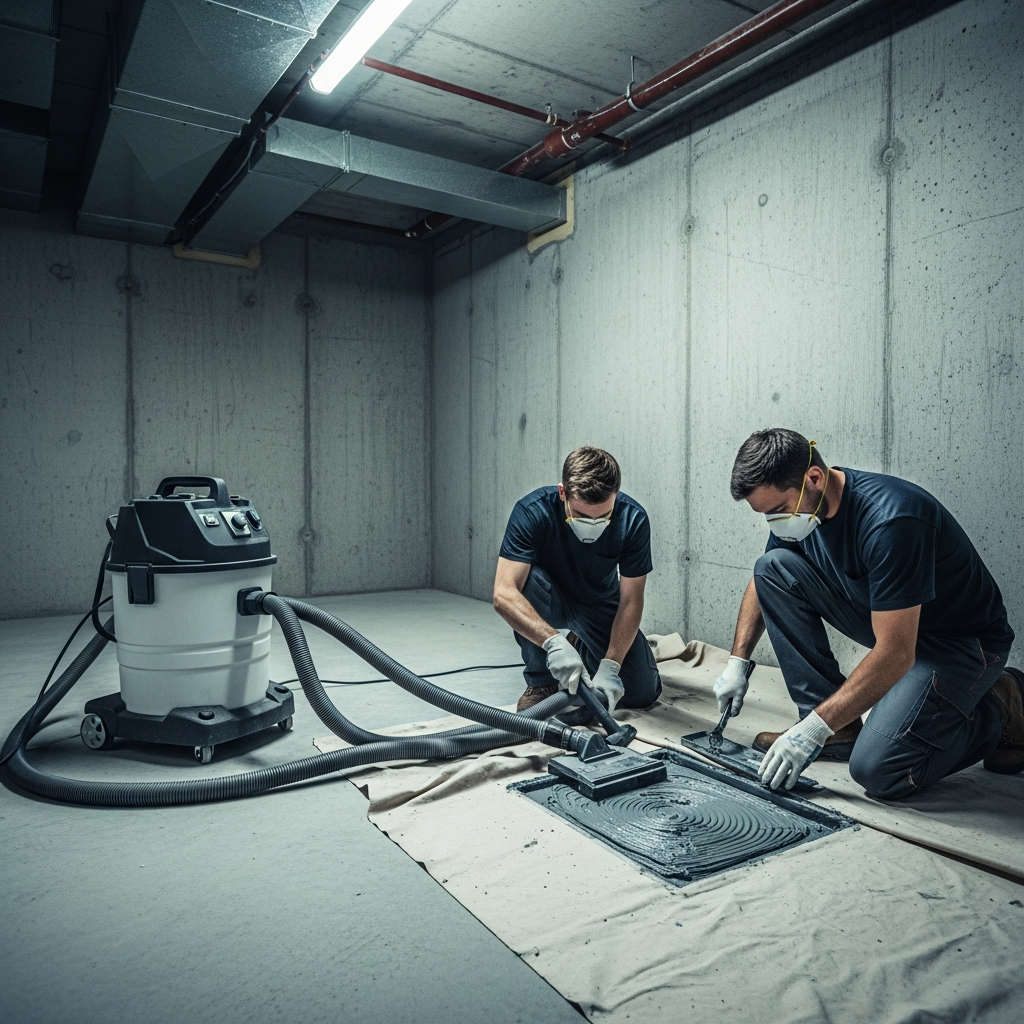
Cleaning methods vary based on duct material and condition. Technicians may use agitation tools, negative-pressure collection, and specialized vacuum equipment to remove dust without pushing it into your living spaces.
Somerville Considerations
Local homes often route ducts through basements and attics that are not conditioned. Sealing and insulating these runs supports temperature stability, particularly in rooms above garages and below attics. Seasonal humidity and winter cold increase expansion and contraction, making durable mastic seals and proper hanger spacing important for long-term performance.
Typical Sequence: From Inspection to Follow-Up
- Inspection and Testing: The team evaluates leaks, crushed sections, and internal buildup using visual checks, cameras, and pressure-based tools.
- Repair Plan: Recommended sealing, section replacement, support corrections, and insulation improvements are outlined.
- Execution: Joints are sealed, damaged sections replaced, and supports corrected to restore shape and airflow.
- Verification: Airflow readings and smoke tracing confirm results.
- Cleaning: With the system structurally sound, debris is removed safely and thoroughly.
- Final Walkthrough: The team reviews what was repaired, what was cleaned, and how to maintain results.
Mid-Project Expectations
Larger homes or complex layouts may require multiple visits. Providers should communicate clearly about which zones are repaired and cleaned first, especially if access varies between attics, basements, and closet chases. To compare common regional approaches and tools, browse local summaries of air duct repair services and note how they handle verification and protection of living spaces.
Maintenance Between Cleanings
- Change filters on schedule to reduce dust movement and maintain airflow.
- Keep registers unobstructed and returns free of household items.
- Check accessible duct runs annually for new gaps, sagging, or insulation damage.
- Address pest activity promptly to avoid nesting or chewed sections.
- Schedule a review after major renovations or equipment changes.
Results You Can Expect
When repairs and cleaning are coordinated, homeowners often report a quieter system, less dust settling, and more consistent comfort from room to room. Return-side sealing is especially impactful, because it prevents the system from pulling air from dusty spaces like basements or wall cavities. With proper insulation on ducts in unconditioned areas, supply temperatures remain more stable during summer and winter peaks.
Frequently Asked Questions
Q: Should I repair or clean first? A: Repair first, then clean. Sealing leaks and correcting damage prevents reintroduction of dust and helps cleaning last longer.
Q: How do I know if my ducts need cleaning? A: Confirm with inspection—visual checks, camera images, or evidence of debris at registers. Cleaning without verification can waste effort.
Q: Will cleaning alone solve uneven temperatures? A: Cleaning helps when airflow is blocked by debris, but leaks, layout, and insulation often drive temperature imbalances. Repairs address those root causes.
Q: Is there disruption to my home? A: Providers should protect floors, isolate work zones, and maintain good communication about which areas are in use during each step.
Q: Can flexible ducts be cleaned safely? A: Yes, with appropriate tools and methods. Professionals choose techniques that avoid damaging the inner liner or dislodging supports.
Q: How often should cleaning be repeated? A: Frequency depends on household factors like shedding pets, renovation activity, and filter practices. Your technician will recommend a schedule based on conditions found.
Q: Does insulation matter after cleaning? A: Absolutely. Insulation on ducts in attics, garages, or crawlspaces helps preserve supply temperatures and comfort.
Plan a Smooth, Effective Project
With the right sequence—repair first, clean second—you can protect your investment and enjoy a cleaner, more comfortable home. If you are ready to coordinate both steps with a Somerville-based team, reach out today for professional air duct repair and set the stage for long-lasting results.
