
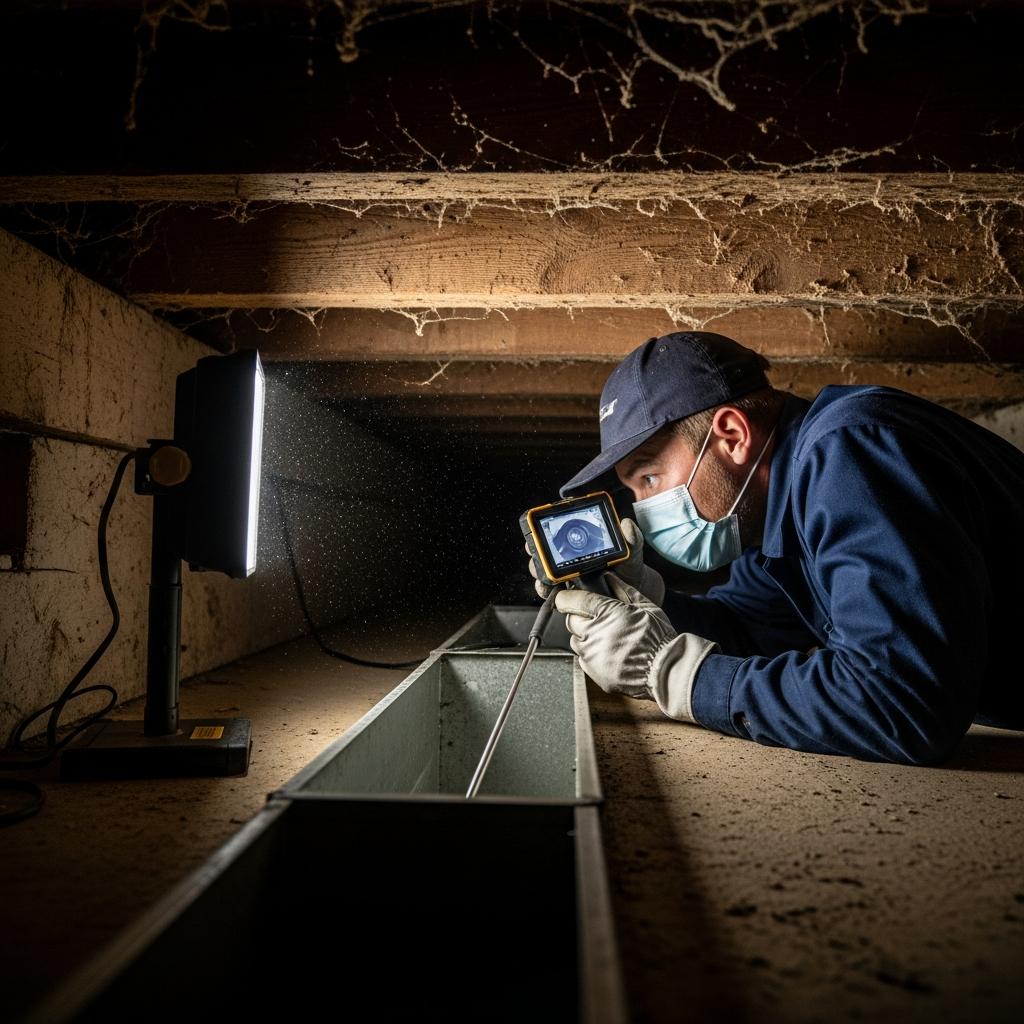
Understanding the step-by-step process of air duct repair helps Somerville, New Jersey homeowners plan confidently and evaluate the quality of work performed in their homes. Whether you live in a classic colonial with basement trunk lines or a townhome with compact chases, a clear, methodical approach ensures durable, measurable improvements. If you are at the beginning of your journey, reach out to a local provider specializing in air duct repair to learn how these steps are tailored to Somerville’s housing styles and climate.
Step 1: Pre-Visit Interview and Preparation
Before tools come out, the technician listens. You will discuss room-by-room comfort issues, noise, musty odors, or dust. The team notes renovation history and where ducts travel—basements, attics, crawlspaces, and closets. You can accelerate the process by clearing access to registers, returns, and the mechanical room.
Step 2: Site Protection
Professionals protect floors and furnishings with drop cloths and register masking. Expect careful staging of equipment to minimize disruptions. Shoe covers and clean work practices reflect a commitment to respect your home.
Step 3: Visual Inspection
Accessible duct runs are checked for obvious gaps, failed tape, sagging flex ducts, crushed sections, or missing insulation. Boots at floor or ceiling vents are examined for tight connections where leaks commonly form.
Step 4: Diagnostic Testing
Depending on your home, the team may use smoke pencils, pressure tests, and borescopes to pinpoint leaks, assess internal buildup, and locate obstructions. These tools guide an efficient, targeted repair plan.
Step 5: Plan and Materials Selection
The contractor explains which materials will be used and why: mastic for sealing joints, UL-listed tapes for specific transitions, rigid metal sections in high-impact areas, code-compliant hangers to correct sagging, and insulation for ducts outside conditioned zones. Clear planning keeps the project organized and predictable.
Step 6: Sealing and Joint Restoration
Sealing begins at known problem spots: seams, takeoffs, boots, and transitions. Mastic is applied for durable, flexible seals, while approved tapes address certain joints. The goal is airtight connections that stand up to seasonal expansion and contraction typical in Somerville.
Step 7: Section Replacement and Rerouting
Crushed, torn, or poorly sized segments are replaced. Where layout contributes to airflow imbalance, technicians may adjust takeoff angles or add short rigid sections to maintain shape through tight bends. In extreme cases, small reroutes improve supply to starved rooms.
Step 8: Support and Hanger Corrections
Proper hanger spacing keeps flex duct from sagging, which protects airflow. The team rehanges sections with appropriate straps and ensures transitions are straight and supported—especially important in attics and basements.
Step 9: Insulation Improvements
Exposed ducts in unconditioned areas are wrapped or rewrapped to maintain supply air temperatures. This step is crucial for comfort, particularly in rooms above garages or beneath attics that are common in local homes.
Step 10: Verification and Testing
After repairs, technicians verify results. They may re-run pressure tests, check airflow at key registers, or use smoke tracing at previously leaky joints. Photos or notes document changes in inaccessible areas.
Step 11: Cleanup and Walkthrough
Work areas are cleaned, materials are removed, and floor protection is lifted. The final walkthrough reviews what was repaired, replaced, or insulated and offers maintenance suggestions such as filter schedules or seasonal checkups.
Materials and Methods Overview
The right materials protect durability and performance. Mastic seals remain flexible and handle temperature changes better than common tapes. UL-listed tapes serve specific roles at transitions. Rigid metal stands up in high-impact or high-heat zones, while flex duct is useful for certain runs when properly supported. Insulation helps stabilize temperatures in unconditioned areas. If you want to compare typical techniques used locally, review Somerville-focused air duct repair services to see how providers approach different duct types.
What You Will Notice Afterward
Most homeowners feel more even temperatures across rooms, quieter vents, and a reduction in dust movement after sealing return leaks. Rooms that were previously hard to heat or cool often become more comfortable, especially those next to unconditioned spaces.
Maintenance Tips to Protect the Results
- Replace filters on schedule to maintain airflow.
- Keep furniture and rugs from blocking registers and returns.
- Visually check accessible ducts annually for new sagging or gaps.
- Schedule a system check after any renovation or equipment change.
- Address pest concerns promptly to prevent nesting or damage.
Frequently Asked Questions
Q: How long does the process take? A: It varies with access and scope. Open basements and attics are typically faster than tight crawlspaces or complex chases.
Q: Will I need to vacate the home? A: Usually no. Work areas are contained, and technicians coordinate with you to minimize disruption.
Q: Are there risks in using the wrong tapes? A: Yes. Cloth “duct tape” can fail under heat and time. Professionals use mastic and UL-listed tapes designed for HVAC applications.
Q: Can sealing alone fix comfort issues? A: Sealing often helps significantly, but layout, insulation, and register placement may also need attention for best results.
Q: Do I need insulation on every run? A: Only where ducts travel through unconditioned spaces. Proper insulation stabilizes temperatures and supports comfort.
Q: How is success verified? A: Through airflow measurements, smoke tracing, pressure tests, photos, and a clear before-and-after report.
Q: What if my ducts are behind finished walls? A: Technicians use diagnostic tools to limit openings. If access is necessary, they will explain the options before proceeding.
Get Reliable Results the First Time
A structured process from interview to verification ensures your ductwork is repaired correctly and respectfully. If uneven rooms, musty odors, or vent noise are wearing on your comfort, schedule a professional assessment. For dependable, local help in Somerville, contact a trusted team for professional air duct repair and enjoy a smoother-running HVAC system.
