
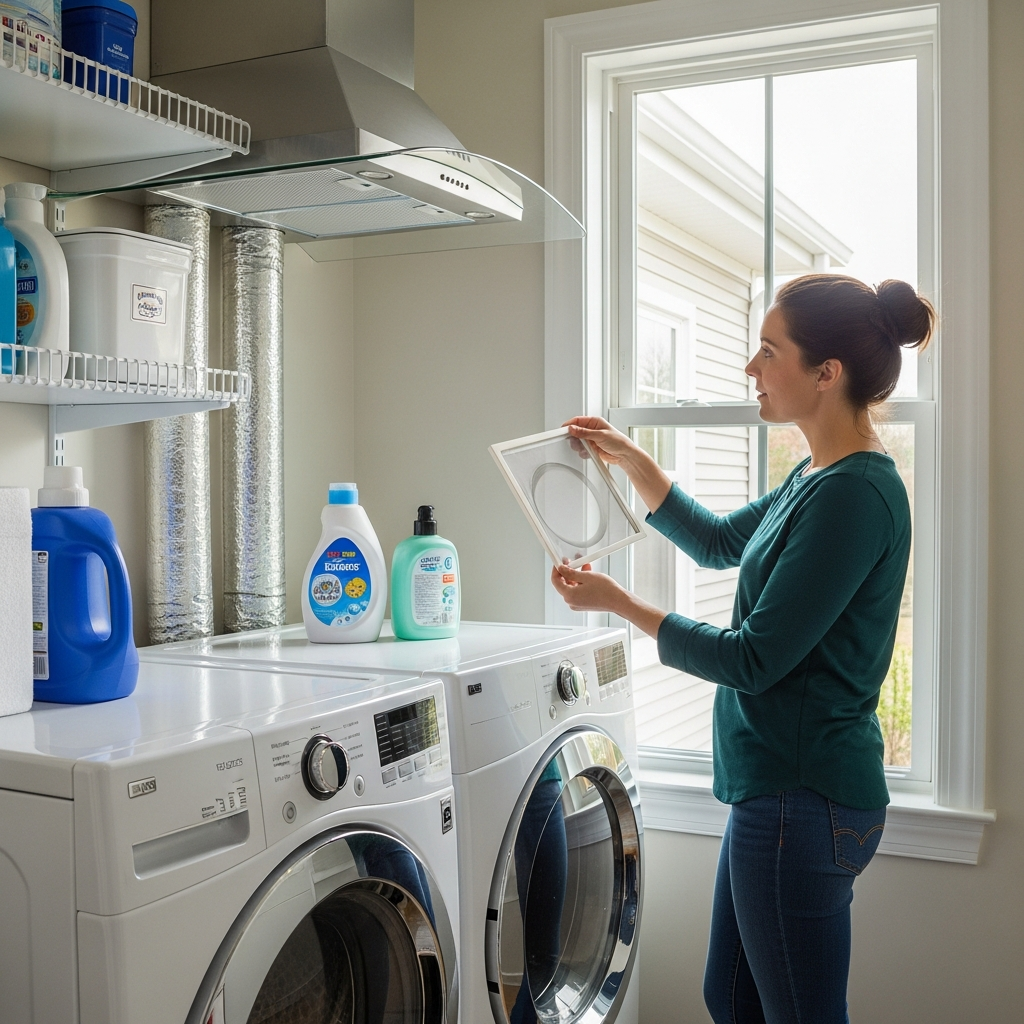
Consistency is the secret to safe, efficient laundry. This dryer vent cleaning maintenance steps checklist for Somerville, New Jersey gives you an easy, repeatable plan to protect your home, extend the life of your dryer, and keep cycles running on time. Whether you live in a historic house with a long basement run or a newer townhome with a compact laundry closet, the actions below will help prevent lint buildup, reduce heat stress on the appliance, and improve airflow. If you are ready to combine smart habits with professional support, explore trusted local options for thorough dryer vent cleaning so you can align your routine with proven best practices.
This checklist is organized into daily, monthly, seasonal, and annual tasks. It also includes a troubleshooting section so you can quickly identify symptoms that suggest it is time to call a professional. By following these steps, you will establish a maintenance rhythm that keeps your laundry room cooler, clothes drying faster, and your home safer.
Daily and Weekly Habits
- Clean the lint screen after every load. Lint restricts airflow at the first point in the system; removing it consistently boosts performance and reduces dryer strain.
- Inspect the screen for residue weekly. Fabric softeners and dryer sheets can leave films that reduce airflow; rinse the screen with warm water and dry it completely.
- Load the dryer correctly. Avoid overstuffing, which blocks tumbling and traps moisture; separate heavy fabrics from light items for more even drying.
- Choose proper settings. Use sensor-dry when available to prevent unnecessary run time and excess heat that can pull more lint through the system.
- Wipe the moisture sensor strips inside the drum as directed by the manufacturer to maintain accurate readings.
Monthly Tasks
- Vacuum behind and around the dryer to capture lint and dust that could be drawn into the vent connection.
- Visually check the transition duct for kinks or crushing. Ensure there is enough space for a gentle curve without compression.
- Step outside during a drying cycle to confirm strong airflow and that the exterior damper opens freely.
- Trim vegetation around the exterior hood so leaves and branches do not interfere with exhaust air.
- Listen for unusual noises that might indicate a stuck damper or debris rattling in the hood.
Seasonal Actions
- In winter, check for frost or condensation around the exterior hood—a sign that cold sections of duct may need insulation.
- Before peak laundry seasons (holidays, sports seasons), verify airflow at the hood and note drying times; changes can signal growing restrictions.
- After home projects that generate dust—drywall sanding, flooring installs—clean the lint screen and consider moving up your professional service date.
- Ensure storage does not creep toward the dryer. Boxes and hampers can press against the transition duct and reduce airflow.
Annual Professional Service
For most households in Somerville, annual professional cleaning is a reliable baseline. High-use homes, households with multiple pets, or long vent runs may benefit from semiannual visits. A complete service includes agitation and vacuum extraction of the entire duct, exterior hood service, transition duct evaluation, and airflow testing before and after. Schedule service proactively rather than waiting for symptoms to become severe.
Somerville-Specific Tips
- Historic homes may have older vent routes with extra elbows. Ask a professional to evaluate whether route changes could improve airflow.
- Many multi-level homes vent through the roof; ensure your provider has safe access procedures and experience with roof terminations.
- Homes near mature trees should check exterior hoods more frequently during the fall when debris can gather around dampers.
Troubleshooting: Symptoms and Quick Actions
- Long drying times: Clean the lint screen, verify airflow at the hood, and schedule professional cleaning if the issue persists.
- Hot laundry room: Ensure the transition duct is not crushed and that the damper opens fully; consider earlier professional service.
- Burning smell: Stop the dryer and arrange immediate inspection; overheated lint is a fire hazard.
- Musty odor: Damp lint may be present; run a short warm cycle empty and check the hood for obstructions.
- Lint on clothing: Clean the screen thoroughly and confirm that the exhaust air is strong outdoors.
Best Practices and Safety Notes
- Use smooth-walled metal ducts for the main run to reduce lint accumulation; avoid screws that protrude into the airflow path.
- Keep the transition duct UL-2158A–listed and as short and straight as possible.
- Never vent a dryer into attics, crawlspaces, or garages; always exhaust outdoors.
- Avoid exterior hoods with screens that trap lint; a damper-style cover is preferred.
- Consider insulating cold sections to reduce condensation and lint matting.
Building a Maintenance Calendar
Create a calendar reminder system to track daily habits, monthly checks, and seasonal tasks. Combine this with reminders for professional service based on your laundry volume and vent route complexity. If your household grows, you add pets, or you remodel the laundry area, adjust the schedule accordingly. Consistency keeps airflow strong and the dryer operating within normal temperature ranges.
To help you visualize what to expect from a top-tier appointment and how it fits into your plan, compare your approach with local examples of thorough dryer vent cleaning that include full-length agitation, vacuum extraction, exterior hood service, and airflow verification.
Frequently Asked Questions
Q: How often should I schedule professional cleaning? A: Annually for average households; semiannually for long runs, high laundry volumes, or multiple pets.
Q: Can I clean my own vent? A: You can handle the lint screen and basic vacuuming behind the dryer, but most systems require professional tools and access to remove compacted lint through the full run.
Q: What if my exterior hood is on the roof? A: Choose a provider with roof-access experience and appropriate safety equipment; do not attempt unsafe ladder work yourself.
Q: Are screens allowed on dryer vents? A: No. Screens trap lint and cause clogs. Use a quality damper-style hood instead.
Q: Why does my laundry room feel hot? A: Restricted airflow forces hot air to linger. Verify that the transition duct is not crushed, check the hood, and schedule service if heat persists.
Q: What materials should my vent use? A: Smooth-walled metal for the main run and a UL-2158A–listed transition duct. Avoid plastic or thin foil flex duct for safety and performance.
Q: Will cleaning extend my dryer’s life? A: Yes. Restored airflow reduces heat stress and mechanical wear, helping the appliance operate within its intended range.
Put This Checklist to Work Today
Small habits add up to big safety and performance gains. If your drying times are creeping up, odors are noticeable, or the exterior damper barely moves, act before problems escalate. Schedule dependable dryer vent cleaning service in Somerville and keep your home running smoothly, season after season.
