
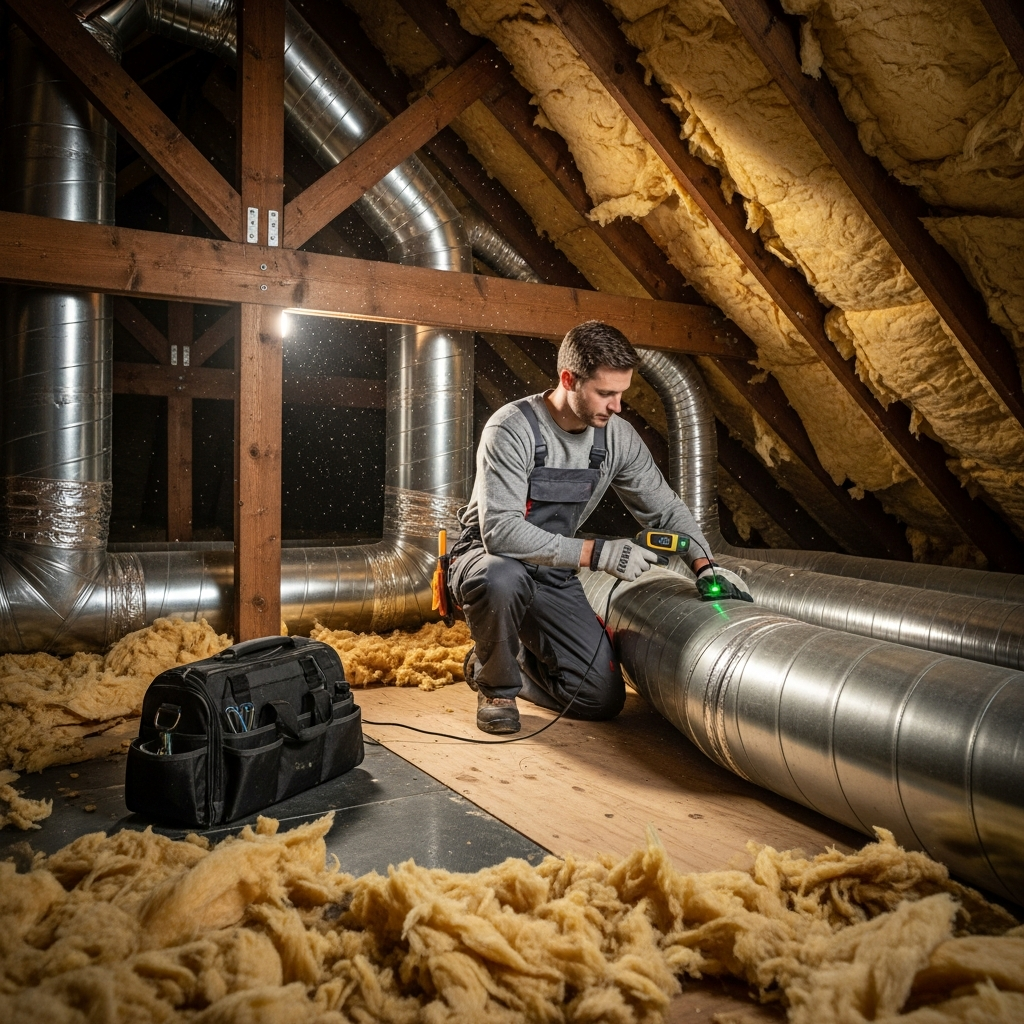
Finding the best air duct repair services in Somerville, New Jersey is about more than quick fixes. It is about restoring dependable airflow, protecting indoor air quality, and ensuring your HVAC system runs smoothly across all four seasons. From older colonials near the historic downtown to newer townhomes and split-levels along the Raritan Valley, Somerville homes present a variety of ductwork layouts, materials, and access challenges. A top-tier team understands these local nuances and brings the experience, tools, and care to resolve hidden leaks, crushed sections, improper connections, and aging seals the right way. If you want a head start on researching local experts, consider reputable providers that specialize in air duct repair services and have a proven track record in central New Jersey.
What “best” looks like for Somerville homes
The best air duct repair professionals do more than patch visible problems. They investigate the entire air distribution system and identify the root causes behind poor airflow, temperature imbalances, dust, and persistent odors. They explain findings in plain language and present options suited to your home’s age and construction. They arrive with specialized diagnostic tools, follow safety and cleanliness protocols, and respect your schedule and space. Most importantly, they focus on durability—ensuring repairs hold up during humid summers and cold snaps. In Somerville, where homes are often a blend of older architecture and newer renovations, the best teams account for unique crawlspaces, attic conditions, and basement moisture dynamics that can affect duct integrity over time.
Common signs you need duct repair
Clues that your home needs duct attention can show up gradually or almost overnight. Uneven room temperatures, a living room that is stuffy while the bedrooms feel drafty, vents that whistle or rattle, and visible gaps near registers are all red flags. You may notice dust building up faster than usual or a musty smell that lingers after running the system. In some homes, utility areas or basements reveal crushed flex runs or disconnected joints. Another giveaway is when your HVAC equipment works harder than usual to keep up. When these signs appear in a Somerville home—especially after a recent renovation, insulation project, or roof work—it is smart to schedule a comprehensive assessment to pinpoint exactly where the duct system is struggling.
Inspection that goes beyond the surface
Premier providers perform methodical inspections. They start with a conversation about your comfort concerns and a walkthrough of the areas you use most. Next comes a visual inspection of accessible ducts in attics, basements, and closets, followed by targeted testing. Technicians may conduct static pressure readings, temperature differentials, or smoke tracing to reveal leaks and imbalances. They check for loose or missing mastic, degraded tape, failing supports, and kinks in flex runs. In older Somerville homes, they pay special attention to transitions where additions meet original structures, since those junctions are leak-prone. A thoughtful inspection ends with clear documentation, including before photos and a prioritized plan that helps you understand what should be addressed first for the biggest comfort and performance gains.
Repairs that deliver lasting results
High-quality duct repairs focus on structural integrity, airtightness, and appropriate materials. This could include reseating and sealing joints with professional-grade mastic, replacing collapsed flex sections with properly supported runs, repairing or re-lining damaged metal ducts, and adding or adjusting hangers for correct pitch and alignment. Where ducts run through unconditioned spaces, insulation integrity is reviewed and improved if necessary to help manage condensation risk and protect temperature control. The best teams also verify that supply and return pathways are balanced, since even perfect sealing will not help if return air is insufficient. After repairs, they retest airflow and pressures to confirm that the solution achieved measurable improvement rather than merely moving the problem down the line.
Local considerations: Somerville’s climate and construction
Somerville experiences humid summers and crisp winters. This seasonality puts stress on duct seals and materials, especially in attics and basements subject to temperature swings. In older homes, conversions from oil to gas or changes in equipment sizing can leave legacy ductwork mismatched to current needs. Renovations that add living space or alter room layout often demand duct modifications to keep air delivery consistent. The best providers anticipate these interactions and propose solutions that respect the home’s structure while improving performance. In many cases, thoughtful adjustments to returns, transitions, and branch sizing can dramatically boost comfort in problem rooms without resorting to invasive overhauls.
Indoor air quality and health benefits
Leaky or damaged ducts can draw in air from dusty basements, attics, or wall cavities, distributing those particles throughout living areas. This can aggravate allergies, increase cleaning needs, and reduce overall comfort. A careful repair not only restores efficiency but also protects occupants from contaminants that ride along with unfiltered air. When needed, professionals may recommend filter upgrades or sealing around boots and registers to minimize dust entry. In homes with pets, past water incidents, or recent construction, addressing duct integrity can quickly improve how the house feels and smells. Restoration of proper airflow also helps your equipment run within its intended range, which may reduce wear and tear and stabilize comfort across the entire floor plan.
Choosing a truly qualified provider
Credentials, experience, and process matter. Ask potential providers how they diagnose problems, which materials they use, and how they verify success after completing repairs. Look for crews that protect floors and furnishings, communicate clearly, and offer photo documentation. In Somerville, familiarity with mixed-age neighborhoods is a plus, since it prepares the team for tight chases, knob-and-tube-era attics, and new construction details. When comparing options, focus on professionalism, responsiveness, and transparency. A company that can articulate why a particular sealant or support method is best for your situation is more likely to deliver results that stand up to everyday life.
The repair process step by step
From initial call to final verification, a smooth process follows a consistent rhythm. First, you discuss your concerns and schedule an inspection. Second, the team evaluates the system, documents issues, and creates a plan. Third, they complete targeted repairs, working neatly and safely while minimizing disruption. Fourth, they re-test the system to confirm improved airflow, noise reduction, and stability. Finally, they share after photos and practical tips for maintaining performance. In many Somerville homes, small corrections such as sealing a few critical joints or straightening a main run create outsized results because they address bottlenecks where most of the losses were occurring.
Mid-project communication and expectations
Open communication ensures there are no surprises. If a technician discovers hidden constraints behind a finished wall or in a tight attic corner, you should expect a clear explanation and options. The middle of the project is also a sensible time to ask questions about future improvements, such as adding a return in a back bedroom or optimizing a long branch run. If you are unsure about a recommendation, ask for a quick retest or demonstration to see how a temporary change affects airflow. Confident teams welcome that conversation. If you are still exploring providers, review local experts who focus on air duct repair and can explain their verification methods.
Preventive care that protects your investment
Once your ducts are restored, a little ongoing attention goes a long way. Replace filters on schedule and consider having critical connections rechecked before peak heating or cooling seasons. Keep supply registers and returns free of obstructions, and be mindful of furniture placement that can impede airflow. If you remodel or add insulation, make sure the duct system is part of the conversation so work crews do not compress runs or block returns. For homes with previous moisture issues, maintain good drainage and ventilation around basements and crawlspaces. These simple habits help preserve the value of the repair and keep your comfort consistent throughout the year.
Addressing noise, drafts, and room-by-room challenges
Beyond sealing leaks, teams can calm rattles by securing loose metal, soften turbulence with smoother transitions, and reduce register noise by correcting static pressure. In longer homes or additions, technicians may adjust branch takeoffs or add balancing measures so that air reaches distant rooms without over-supplying close ones. When a single room is stubbornly uncomfortable, it often points to a combination of factors: an undersized branch, a leaky boot, or a crushed section hidden in a soffit. Systematic testing can isolate those culprits and guide a focused fix that transforms the space without extensive disruption.
Safety and cleanliness
Professional crews protect living spaces the same way fine painters do—using floor covers, careful dust control, and tidy staging of tools and materials. They shut down equipment safely before opening ducts, avoid creating new gaps as they work, and double-check that all access panels are secured at the end. In attics and basements, they stay aware of electrical, plumbing, and structural components so repairs reinforce, rather than compromise, the home’s integrity. When work is complete, you should notice immediate improvements: steadier temperatures, quieter airflow, and less dust migration between rooms.
Frequently asked questions
Q: How do I know whether my problem is the ductwork or the equipment? A: Start with a thorough duct assessment. If airflow, pressures, or visible conditions indicate leakage or restrictions, addressing those issues often resolves comfort complaints. If testing shows the ducts are sound, your HVAC equipment or controls may need attention. A skilled team will separate these possibilities with data.
Q: Can repairs help with persistent dust? A: Yes. Sealing gaps, correcting returns, and securing boots often reduce dust movement from attics, basements, and wall cavities into living spaces. Pairing sound ductwork with proper filtration helps maintain cleaner air.
Q: What if my home is older and has hard-to-reach ducts? A: That is common in Somerville. The best providers are used to working in tight chases and attics and can usually find a practical path to improvement without invasive demolition.
Q: Will I need to leave the house during repairs? A: Most homeowners can remain on site. The team will coordinate brief system shutdowns and keep walkways clear. If attic work is involved on a hot day, they may schedule during cooler hours for safety and comfort.
Q: How soon will I feel the difference? A: Many repairs deliver immediate comfort gains. After rebalancing or sealing, rooms often stabilize in the same day, and noise or drafts diminish right away.
Ready to breathe easier in your Somerville home?
If your rooms never feel quite right, or if dust and drafts have become the norm, now is the time to restore your duct system’s performance. A trusted local team can diagnose the real causes and implement durable solutions that fit your home’s design and your comfort goals. Schedule a visit with specialists who focus on air duct repair services and bring reliable comfort back to every room.
