
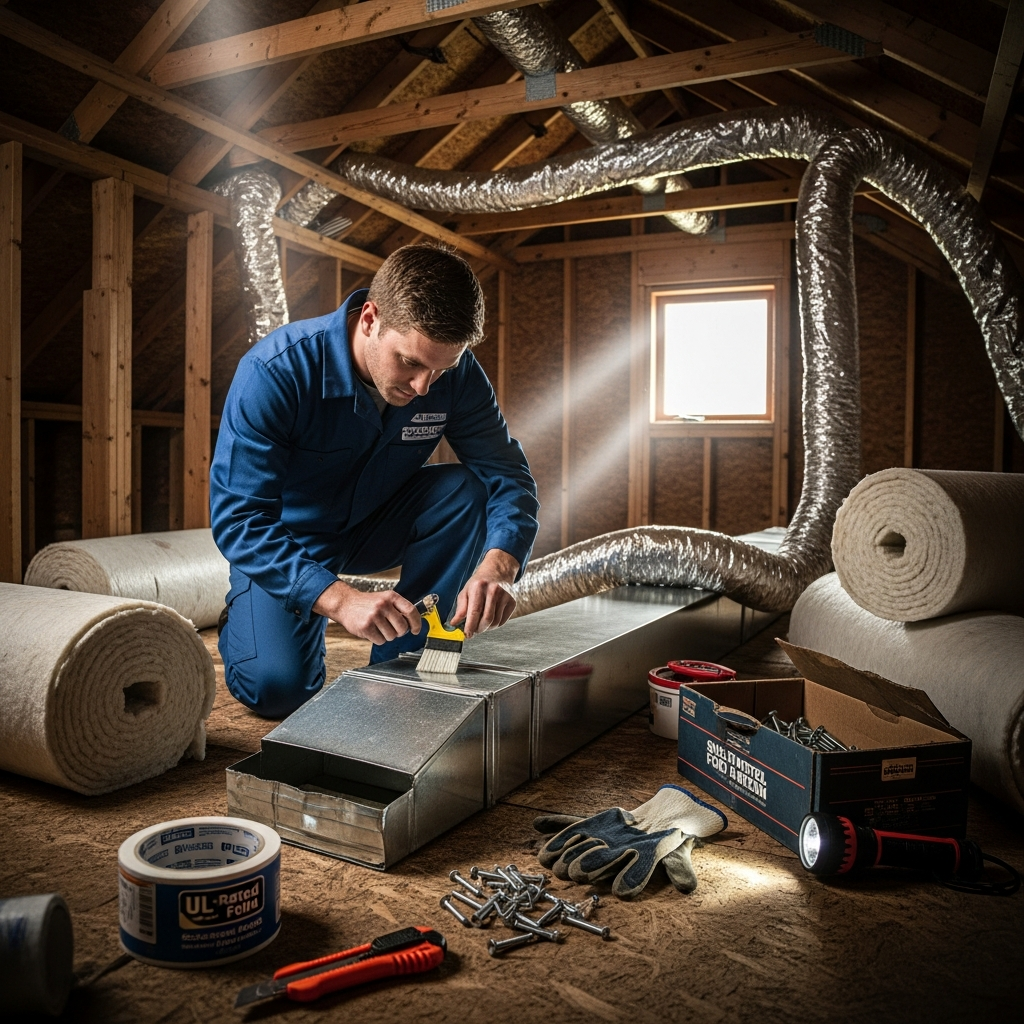
Air ducts are the circulatory system of your heating and cooling equipment. When they are sealed, insulated, and aligned correctly, air moves efficiently and quietly through your home or business. When they are damaged or leaking, you can experience uneven temperatures, higher utility bills, more dust, and even compromised indoor air quality. This comprehensive guide explains how to perform air duct repair in Somerville, New Jersey with attention to local climate realities, building styles, and code-aware best practices. Whether you are a hands-on property owner or simply want to understand what a professional will do, the following methods will help you approach repairs with confidence and safety.
Before you begin, it is essential to define the scope of your repair. Are you addressing one visibly disconnected joint near the air handler or tackling a network filled with pinhole leaks and poor insulation? A thorough visual inspection, combined with simple tests like feeling for drafts and using a smoke pencil, will reveal where air escapes. If you anticipate more than minor patching, coordinate the work with system downtime so you are not trying to seal while the blower is actively pushing air. When in doubt, remember that complex sealing, balancing, and sanitation tasks can be effectively handled by professionals who specialize in air duct repair throughout Somerville’s residential and light-commercial buildings.
Somerville’s seasonal temperature swings—humid summers and chilly winters—magnify duct problems. In summer, condensation can form on cold supply ducts routed through warm attics or basements, encouraging microbial growth and rust if insulation or vapor barriers are compromised. In winter, leaky return ducts can draw in dusty, cold air from crawlspaces, forcing your system to work harder. Repairing and sealing the system prevents these climate-driven issues from escalating and protects indoor comfort year-round.
Safety and Preparation
Safety is the first step in any air duct repair. Turn off HVAC power at the thermostat and, if possible, at the breaker panel before opening access panels or handling sheet metal. Wear gloves to protect hands from sharp edges, and use a dust mask or respirator when working in areas with settled debris or suspected mold. Safety glasses protect eyes from dislodged insulation and metal shavings. If you are entering an attic or crawlspace, verify flooring and joist stability, and keep a charged flashlight within reach.
Next, gather documentation. If you have the original HVAC installation manual, duct layout, or any commissioning reports, review them for insights on intended airflow and damper positions. Mark known supply and return runs on a sketch of your floor plan. Note areas that consistently feel too hot or too cold, rooms with weak airflow, and spots where you hear rattling, whistling, or booming noises during system operation.
Set up your workspace. Clear storage items from around the air handler, lay down drop cloths to capture dust, and position a trash bag nearby for insulation scraps and old tape. If the repair involves flexible duct, give yourself enough room to support the duct as you cut and reconnect. For crawlspaces, bring kneepads or a small pad to distribute weight and protect against moisture.
Tools and Materials You Will Need
- UL 181-rated foil mastic tape for sealing rigid metal ducts and certain flexible duct connections. Avoid cloth-backed “duct tape,” which degrades with heat and time.
- Water-based duct mastic (brush-on or trowel-grade) for permanent sealing of seams, joints, and elbows. It remains flexible once cured and adheres well to metal and fiberglass duct board.
- Sheet metal screws and a driver for securing joints, collars, and takeoffs; always use the appropriate screw length to avoid penetrating too far into the airstream.
- Foil-faced insulation wraps or preformed insulation sleeves to restore thermal protection on supply runs in attics and basements.
- Wire ties or metal bands with tensioning tools for clamping flexible ducts to collars, ensuring airtight and durable terminations.
- Utility knife, aviation snips, and a straightedge for precise cutting of flex duct, insulation, and metal.
- Smoke pencil or incense stick to detect moving air at seams when the blower runs during testing.
- Manometer or anemometer (optional but helpful) for measuring static pressure and airflow at registers, aiding in verification of improvements.
- Foam or gasket material for sealing around plenum penetrations, filter racks, and access doors that leak air.
- Marker and labels to identify dampers, repaired sections, or areas requiring future attention.
Step-by-Step Repair Process
- Visual Survey: Start at the air handler and follow each trunk and branch line. Look for gaps at takeoffs, loose collars, torn or crushed flex duct, degraded tape, and missing insulation. Pay extra attention to returns, which often leak unfiltered air into the system.
- Clean the Surface: Wipe dust and loose particles away from seams with a dry cloth. Mastic and foil tape adhere best to clean, dry surfaces. If there is oil or residue, use a mild cleaner and allow complete drying.
- Re-seat and Secure Joints: If two duct sections are partially disconnected, re-fit them fully before sealing. Use three or more evenly spaced sheet metal screws at each joint for rigidity and to resist vibration.
- Seal with Mastic: Apply a thin base layer of water-based mastic to seams, corners, and screw heads, then build to a 1/16–1/8 inch layer. Feather edges to prevent peeling. Allow sufficient cure time per manufacturer guidance.
- Use Foil Tape Where Appropriate: For straight seams or where mastic application is difficult, UL 181 foil tape can provide an instant airtight seal. Press firmly with a squeegee or your thumb to embed the tape into the metal profile.
- Repair Flexible Duct: If flex duct is torn near the collar, cut back to undamaged material. Slide the inner liner over the collar, secure with a metal band or two tight wire ties, then seal with mastic and cover with the duct’s insulation and outer vapor barrier.
- Replace Crushed Sections: Severely kinked or crushed flex duct restricts airflow. Replace those sections rather than trying to reshape them. Keep bends gentle with large radii to reduce static pressure.
- Insulate Supply Runs: After sealing, wrap exposed supply ducts in unconditioned spaces with foil-faced insulation. Tape seams with foil tape and avoid compressing insulation, which reduces R-value.
- Seal Boot-to-Drywall Gaps: At registers and grilles, gaps between the boot and surrounding drywall can cause air leakage and dust infiltration. Seal these with mastic or low-expansion foam before reinstalling grilles.
- Balance Airflow: Open or close manual dampers to even out airflow between rooms. Mark damper positions and re-check after final testing to confirm comfort improvements.
- Test for Leaks: Restore power and run the blower. Use your smoke pencil to trace seams and joints. Where you see smoke stream movement, add more mastic or tape as needed.
- Document and Label: Record what you sealed, materials used, and damper settings. Label branches or dampers for quick reference during seasonal adjustments or future service.
Addressing Common Problems Specific to Somerville Homes
Many Somerville houses feature basements and occasionally vented crawlspaces, both of which can introduce moisture into return ducts if they are leaky. Focus repairs on return plenums and panned joist returns, as these can draw in basement air laden with dust or humidity. Close off any gaps where wood framing is used as a return pathway by lining with duct board or sheet metal before sealing seams with mastic.
Attic runs also merit attention. In older homes that have been retrofitted with central air, supply branches often snake across the attic with multiple unsupported bends. Install hanging straps to reduce sagging, re-route any excessively kinked sections, and ensure insulation blankets are intact and taped. These changes reduce static pressure losses and stabilize room-to-room temperatures.
Finally, historical homes with architectural constraints may rely on smaller-diameter branches to navigate tight chases. Sealing is still essential, but recognize that diameter and length limit total airflow. Improvements might require both sealing and strategic balancing rather than wholesale re-ducting.
Mid-Project Quality Checks
Halfway through your repair, pause to verify progress. Measure airflow at a few representative registers with an anemometer or simply assess with the hand test—does the air feel stronger and more consistent? Listen for new noises that might indicate an unsecured joint or a panel vibrating against framing. Catching issues mid-project prevents rework later.
As systems become tighter, static pressure can rise slightly. If you have a manometer, compare readings at the filter slot or across the blower compartment before and after repairs. If pressure climbs beyond the manufacturer’s recommended range, consider upgrading to a larger filter area, cleaning the evaporator coil, or gently opening dampers in areas that can accept additional airflow.
When unsure whether certain joints or boots still leak, use a flashlight inside darkened spaces and look for telltale streaks of dust around seam edges—those are the scars of past leakage. Adding another pass of mastic is cheap insurance, especially around return connections that influence indoor air quality the most. If performance issues persist or if you encounter structural challenges, seek assistance from a qualified provider versed in air duct repair to validate your approach and complete complex tasks safely.
Verifying Results and Fine-Tuning
Once sealing and insulation are complete, run the system through a full heating or cooling cycle. Note whether rooms that were previously uncomfortable stabilize in temperature. Monitor humidity levels with a simple hygrometer; well-sealed and insulated supply runs help keep summer humidity in check by delivering air at the intended temperature without added moisture pickup.
It is also wise to reassess filtration. A good filter that fits snugly (no bypass gaps) will preserve your newly repaired ducts by reducing dust that can abrade interiors and settle at seams. Inspect filter racks for warping or poor alignment and add gasketing if you observe air bypass. Replace filters at manufacturer-recommended intervals, and mark the date to maintain a consistent schedule.
Over the following weeks, pay attention to new settling noises or shifts in balance as seasonal conditions change. Make small damper adjustments and keep notes. A few minutes of tuning can sustain comfort and energy performance gains achieved during your repair.
Preventive Measures to Keep Ducts in Top Shape
- Schedule periodic inspections of accessible trunks, branches, and boots, especially before extreme seasons begin.
- Keep storage materials away from duct runs to prevent accidental crushing or insulation damage.
- Protect attic ducts during roofing or insulation upgrades; coordinate with contractors to avoid cuts and tears.
- Verify that condensation drains and pans near cooling coils remain clear, minimizing moisture exposure to nearby ductwork.
- Seal any newly added penetrations (cable runs, sensors) through plenums with appropriate grommets and mastic.
- Use only UL 181-listed tapes and mastics to avoid premature failure.
- Periodically confirm damper positions remain at the marked settings; vibrations and seasonal use can shift handles.
- Inspect return grilles to ensure they are not blocked by furniture, drapes, or dust build-up.
- Re-evaluate insulation on exposed runs every few years and re-tape seams as needed.
- Address pest entry points in attics or crawlspaces promptly to prevent nesting that damages duct insulation or liners.
- Keep a maintenance log with repair dates, materials, and observations for future troubleshooting.
- Consider airflow testing after major renovations that change room layouts or door undercuts.
Common Mistakes to Avoid
- Using general-purpose cloth duct tape instead of UL 181 foil tape or mastic; it dries out and leaks.
- Ignoring return leaks, which can have a larger impact on dust and comfort than supply leaks.
- Over-tightening bands on flex duct and cutting through the inner liner unintentionally.
- Compressing insulation to force it into tight spaces, which reduces its effectiveness.
- Failing to support long runs of flex duct, leading to sags and hotspots.
- Skipping surface cleaning before sealing, which compromises adhesion.
- Covering mold without addressing moisture; correct the source first.
- Leaving the system on during sealing, making it difficult to apply mastic neatly and accurately.
Frequently Asked Questions
Q: How can I tell if my air ducts are leaking? A: Indicators include uneven room temperatures, visible gaps or loose tape at joints, excessive dust around registers, whistling noises, and higher-than-usual energy use. A smoke pencil can help you visualize moving air at seams when the blower runs.
Q: Is mastic better than foil tape? A: Both can be excellent when applied correctly. Mastic offers durable, flexible sealing around irregular shapes and screw heads. Foil tape is convenient on straight seams but must be UL 181-rated and pressed firmly to avoid lifting.
Q: Can I repair flexible duct myself? A: Yes, minor tears near collars or short crushed sections can be replaced with basic tools. Be sure to cut back to intact material, clamp the inner liner securely, seal with mastic, and restore insulation and vapor barrier.
Q: What if I see mold inside my ducts? A: Stop and address moisture sources first—insulation gaps, condensation, or drainage issues. Visible microbial growth may require professional remediation to ensure safe cleaning and prevention.
Q: How long does mastic take to cure? A: Many water-based mastics skin over within an hour and fully cure in 24–48 hours, depending on thickness, temperature, and humidity. Avoid stressing joints until cured.
Q: Will sealing ducts increase system pressure too much? A: Proper sealing typically brings pressure closer to design values. If pressure rises beyond recommendations, check filters, coil cleanliness, and damper positions, or consult a professional for system balancing.
Q: Do I need to insulate return ducts? A: Returns in conditioned spaces often do not need insulation, but returns in unconditioned areas can benefit from insulation to prevent condensation and temperature swings.
Q: How often should I inspect my ducts? A: A quick visual check twice a year—before summer and before winter—helps catch tape failures, crushed runs, or loose boots early.
Take the Next Step Toward Cleaner, Even Comfort
You now have a practical, code-aware approach to diagnosing, sealing, insulating, and balancing air ducts in Somerville’s climate. From tightening up leaky returns to straightening kinks in attic flex runs, each improvement contributes to cleaner air and more stable temperatures throughout your property.
If you prefer expert hands, want verification testing, or have complex issues like persistent condensation or hidden returns, reach out to a trusted local team that specializes in air duct repair. A well-executed repair today will protect comfort, indoor air quality, and system reliability in every season ahead.
