This comprehensive guide to professional dryer vent cleaning in Somerville, New Jersey is designed to help homeowners, landlords, and property managers understand why vents clog, how the cleaning process works, and what you can do to sustain safe, efficient performance year-round. The aim is simple: reduce fire risk, shorten drying times, and protect your investment in both your dryer and your home. If you are getting started with research, one of the easiest ways to visualize a best-practice service is to look at local options for thorough professional dryer vent cleaning and compare their process to the steps and standards explained in this guide.
Dryer vents may seem straightforward, but they are a critical safety system that manages heat, moisture, and airflow. In homes across Somerville—from restored historical properties to newer townhomes—lint accumulates unseen inside ducts, elbows, and terminations. That buildup restricts airflow and forces the dryer to run hotter and longer, adding wear to the appliance and introducing fire hazards. With a professional approach, you can restore optimal airflow, cut cycle times, and gain confidence that your laundry area is operating safely.
Understanding the Dryer Vent System
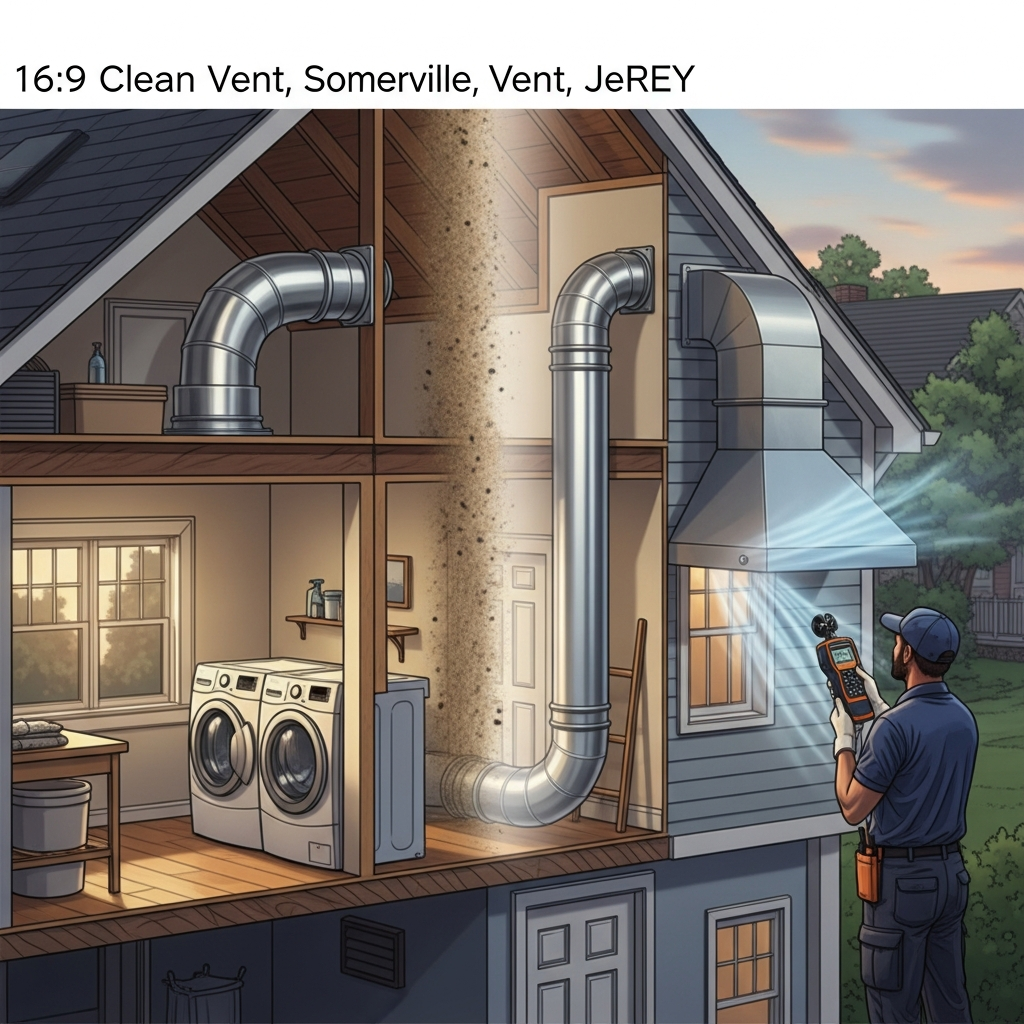
A typical system includes the dryer, a short transition duct, the main duct run (which may pass through walls, floors, attics, or basements), and an exterior hood or roof termination. The goal is to move hot, moist air outdoors with minimal resistance. Every bend and elbow adds friction; rough interior surfaces catch lint; and long runs raise static pressure, all of which slow airflow. Over time, compacted lint, pet hair, and construction debris collect along the walls, especially at elbows and joints, and create partial or complete blockages.
Why Professional Cleaning Beats DIY
DIY kits can help in very short, straight runs, but most systems require specialized tools, safe appliance handling, and methodical cleaning from end to end. Professional technicians use rotary brushes or air whips combined with high-powered vacuums to dislodge and capture debris. They also inspect the transition duct and exterior hood, verify damper operation, and test airflow before and after service. This comprehensive approach resolves hidden restrictions that simple vacuuming cannot reach.
Step-by-Step: What a Thorough Service Includes
- Initial assessment: The technician asks about symptoms—long dry times, hot laundry rooms, or burning odors—and identifies the exterior termination.
- Protection and access: Floors are protected, the dryer is moved carefully, and the transition duct is disconnected for full access.
- Mechanical agitation: A brush or air tool is fed through the duct to knock lint, pet hair, and nesting materials loose, moving methodically through elbows and offsets.
- Vacuum extraction: Debris is captured using a high-powered, often HEPA-filtered vacuum, keeping dust and lint out of your home.
- Exterior hood service: The damper is checked for free movement, obstructions are cleared, and screens that trap lint are identified for correction.
- Reassembly and testing: The system is reconnected with a safe, UL-2158A–listed transition duct if needed, and airflow is verified at the hood.
- Results review: The technician explains findings, shows photos or notes if available, and provides maintenance recommendations tailored to your household.
Common Problems Found in Somerville Homes
- Long runs through basements or attics that collect condensation and compact lint.
- Multiple elbows behind walls in older homes that create high resistance.
- Improper materials, such as plastic or thin foil flex, that degrade and trap lint.
- Exterior hoods with screens or damaged dampers that block airflow.
- Pest nests or construction debris lodged near terminations.
Performance Gains You Can Expect
After a professional cleaning, homeowners typically notice noticeably shorter drying times, cooler laundry rooms, and reduced lint around the appliance. Clothes dry more evenly, and the dryer operates with less strain, which can extend its service life. Most importantly, removing the combustible lint that accumulates in the duct significantly reduces the risk of a dryer-related fire.
How Often to Schedule Service
For average-use households in Somerville, annual service is a reliable baseline. Families that run multiple loads daily, homes with long duct runs, or households with several pets may benefit from semiannual cleanings. If you have recently moved into a new home or completed renovations that changed the laundry layout, schedule an inspection and cleaning to verify the vent route and performance.
Homeowner Maintenance Between Visits
- Clean the lint screen after every load and rinse it periodically to remove fabric softener residue that can interfere with airflow.
- Keep the area behind and beside the dryer clear so the transition duct is not crushed or kinked.
- Check the exterior vent hood monthly to confirm the damper opens freely and you feel strong airflow during a cycle.
- Vacuum around the dryer monthly to capture dust and lint that can be drawn into the vent connection.
- Note any changes in performance—longer cycles, unusual heat, or odors—and schedule a professional visit promptly if they persist.
Safety and Code Best Practices
While local codes can vary, several best practices are broadly applicable. Use smooth-walled metal ducts for the main run and minimize elbows to reduce static pressure. Avoid screws protruding into the duct interior because they snag lint. The transition duct should be UL-2158A–listed and kept as short as possible. Vent outdoors, never into attics or crawlspaces. Exterior hoods should not have screens that trap lint; instead, a damper-style hood is recommended. These practices safeguard performance and align with the guidance inspectors across New Jersey commonly endorse.
Choosing a Professional: A Practical Checklist
- Verify insurance and, where applicable, licensing. This protects your home and the technicians on-site.
- Ask about tools and techniques. Rotary brushing or air whipping plus vacuum extraction is the gold standard.
- Request a clear description of the process, including exterior hood service and post-cleaning airflow checks.
- Confirm experience with your specific vent route—roof terminations, long basement runs, or concealed elbows.
- Expect education: The technician should explain findings and provide maintenance advice tailored to your household.
In the middle of your research, it is wise to compare your shortlist with a strong local example of full-scope dryer vent cleaning services to ensure the provider you choose follows best practices from start to finish.
Troubleshooting Symptoms Before and After Cleaning
- Long dry times: Most commonly caused by restricted airflow or a clogged lint screen; post-cleaning, times should improve significantly.
- Hot laundry room: Indicates exhaust air is not venting properly; cleaning and verifying damper operation typically resolve this.
- Burning smell: Can be overheated lint; stop the dryer and schedule service immediately.
- Water in the duct: May indicate condensation due to uninsulated sections in cold areas; ask about insulation or route improvements.
- Clothes still damp at the end of a cycle: Could be mixed loads or sensor issues; if airflow is restored and the problem persists, have the dryer inspected.
Frequently Asked Questions
Q: How long does professional dryer vent cleaning take? A: Typically 45 to 90 minutes depending on length, complexity, and lint compaction.
Q: Do I need to be home? A: Yes, to provide access to the laundry area and, ideally, the exterior vent location for verification.
Q: Can cleaning void my dryer warranty? A: Proper maintenance supports warranties; follow your manufacturer’s guidance and keep records of service.
Q: Is roof access safe? A: Trained technicians use proper ladders, footwear, and fall protection when necessary, and will reschedule during unsafe weather.
Q: Should I replace my transition duct? A: If it is plastic or thin foil, yes—upgrade to a UL-2158A–listed duct and keep it as short as feasible.
Q: Will I see lint inside the home during cleaning? A: With proper vacuum extraction and containment, debris should be captured at the source.
Q: How will I know the work was effective? A: Expect better airflow at the exterior hood, shorter cycles, and a clear explanation of any remaining concerns or recommended improvements.
Ready to Put This Guide into Action?
If your laundry routine has slowed down, the laundry room feels warmer than it should, or you simply want to reduce risk and protect your home, scheduling a professional visit is the logical next step. Book reliable dryer vent cleaning service in Somerville and enjoy safer operation, faster drying, and confidence that your system is working the way it should.
