Dryer Vent and Duct Cleaning Safety Tips for Somerville, New Jersey Homes
Safety is the foundation of every dryer vent and duct decision you make. In Somerville, where homes range from historic to newly built, the details of your venting system can vary widely, yet the core safety principles remain the same: keep the path clear, use proper materials, verify airflow, and monitor for warning signs. These tips help you prevent lint-related hazards, support efficient drying, and extend the life of your appliance. If you decide you would rather have a professional handle the hard-to-reach work, you can schedule dryer vent cleaning and benefit from tools and techniques designed to reach the entire run safely.
Dryer vent safety is not just about preventing rare events; it is also about everyday comfort and efficiency. A clear vent reduces drying times, makes your laundry area run cooler, and can reduce musty odors. By building a simple routine and acting on warning signs early, you protect both your home and your time.
Know Your System: Materials and Routing
Identify the type of duct your home uses. Rigid metal ducting is generally preferred for durability and smooth interior walls that resist lint accumulation. Thin, accordion-style connectors can crush easily, create lint traps, and may require replacement. If you discover outdated materials, plan an upgrade during your next service visit.
Understand the route your vent takes from the dryer to the outside. Longer runs and multiple turns slow airflow and create hotspots for lint buildup. If your termination is on a roof, special care is needed; roof work requires appropriate equipment and should be left to trained professionals.
Daily and Weekly Habits That Improve Safety
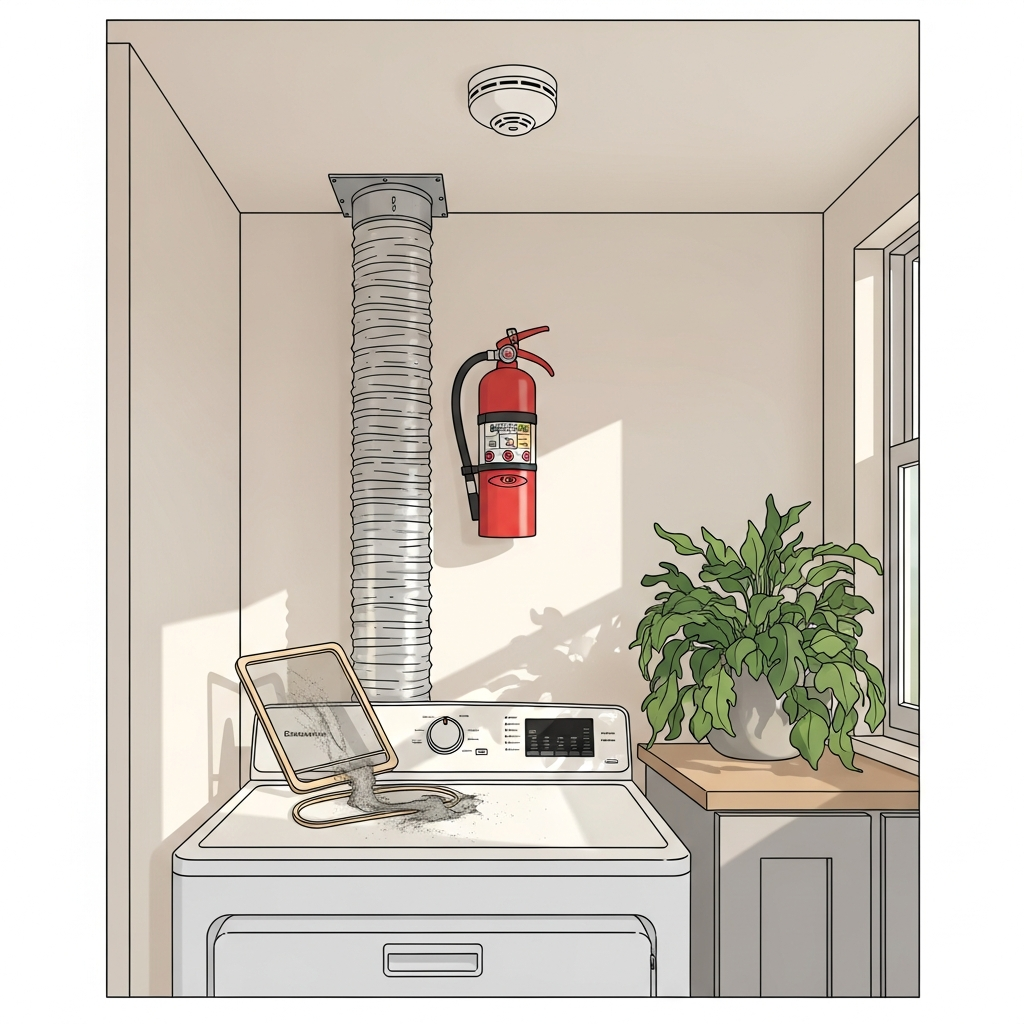
Clean the lint screen after every cycle. Avoid overloading the dryer; heavy, densely packed items reduce airflow inside the drum and push more lint into the vent. Keep the area around the dryer free of storage that could restrict ventilation or create a heat trap.
Once a week, do a quick check of the laundry room temperature during a cycle. If it is significantly hotter than usual, airflow may be restricted. Take note of drying times and odors. These simple observations can alert you to problems early.
Monthly Exterior Checks
Walk outside and look at the termination hood. Ensure the damper opens freely when the dryer runs and closes afterward. Remove leaves or debris around the hood. If you see a screen catching lint, make a plan to replace the hood with one designed for dryer exhaust; fine screens trap lint and reduce airflow.
Warning Signs You Should Not Ignore
Common red flags include longer drying times, the vent flap barely opening during a cycle, the laundry room feeling unusually warm, and a musty or burning odor from the dryer. Modern dryers may stop mid-cycle if sensors detect unsafe heat. Treat these signs seriously and arrange a cleaning and inspection promptly.
DIY with Caution
Basic maintenance—cleaning the lint screen, vacuuming around the dryer cabinet, and removing visible lint at the transition—is safe for most homeowners. Deeper cleaning of the full duct, especially long or complex runs, is best left to trained technicians. Avoid makeshift rods, sharp tools, or excessive force that can puncture ducts, dislodge joints, or push lint clumps deeper into the system.
Why Professional Service Matters
Technicians use rotary brushes, air tools, and inspection methods that reach the entire vent path while protecting duct integrity. They can also identify and correct small issues that create big problems over time, such as crushed connectors, stuck dampers, or unnecessary screens. If you prefer a hands-off, verified approach, consider booking professional dryer vent cleaning to restore airflow and document improvements.
Somerville-Specific Considerations
Winter temperatures can lead to condensation inside ducts, which bonds lint to surfaces and makes cleaning more critical. Summer brings heavier laundry loads from outdoor activities. Historic homes may have unusual routing through crawlspaces or attics; newer builds may feature roof terminations that require weather-aware planning. Landscaping can also affect safety: dense shrubs or mulch near the hood can block airflow and invite pests.
After-Service Habits That Preserve Results
Following a professional cleaning, adopt a few habits to maintain airflow. Clean the lint screen after every load, keep the transition connector free of kinks, and ensure the dryer is not pushed so far back that it crushes the hose. Mark your calendar for a quick exterior hood check each month and a more thorough review of drying times each season.
If you make equipment changes—new dryer, laundry room remodel, or a different vent path—share those details during your next service. Small changes can affect airflow and maintenance intervals.
Common Myths, Clarified
Myth: The lint screen catches everything. Reality: The lint screen captures a lot, but fine fibers pass through and collect in the duct. Myth: New dryers do not need vent cleaning. Reality: Even new appliances rely on clear ducts to function efficiently. Myth: A short vent run never needs service. Reality: Even short, straight runs accumulate lint over time and benefit from periodic cleaning.
Safety for Multifamily and Rental Settings
For townhomes, condos, or rentals, coordinate with building management regarding access, scheduling, and documentation. Shared walls and common areas can make vent routing more complex. Regular, documented service supports community safety and helps avoid misunderstandings between residents and property managers.
Frequently Asked Questions
Q: How often should a dryer vent be professionally cleaned? A: Many Somerville homes benefit from annual service, with adjustments for high laundry volume, pets, or long vent runs.
Q: Is roof vent cleaning safe? A: With proper equipment and planning, yes—but roof work should be handled by trained professionals.
Q: What can I do between professional visits? A: Clean the lint screen after every load, keep the transition connector smooth and unkinked, and check the exterior hood monthly.
Q: Does cleaning really speed up drying? A: Yes. Restored airflow often reduces drying times and lowers heat buildup in the laundry area.
Q: Are scented dryer sheets a substitute for maintenance? A: No. Fragrance does not address airflow restrictions or safety risks.
Q: Can I install a screen over the outside vent to keep pests out? A: Avoid fine screens that trap lint. Use a hood designed for dryer exhaust with a proper damper.
Q: What if my laundry closet is very tight? A: A professional can suggest a safer transition connector and routing to maintain airflow without kinks.
Simple Checklist for Ongoing Safety
Keep this mental checklist: clear lint screen after every load, observe drying times monthly, inspect the exterior hood monthly, schedule professional service at an interval that fits your home, and act quickly when warning signs appear. These small steps add up to meaningful protection.
Your Next Step Toward a Safer Laundry Room
If you want the reassurance of a documented, thorough service, arrange your next dryer vent cleaning in Somerville with a trusted local provider and enjoy safer airflow and smoother laundry days ahead.
