Dryer Vent Inspection and Cleaning in Somerville, New Jersey
Inspection and cleaning go hand in hand for a safe, efficient dryer vent system. In Somerville, homes range from historic structures with long, winding ducts to newer builds with roof terminations, so a thoughtful approach is essential. A proper inspection reveals how your system is routed, what materials are in place, and where lint accumulates most. Cleaning then restores free airflow and reduces safety risks associated with trapped debris and excess heat. This guide explains what a complete service looks like, how to prepare, and what to expect from reputable local providers. If you are comparing options, it may help to note a trusted resource for dryer vent cleaning and use the steps outlined here to evaluate any service.
The quality of your dryer vent service depends on two things: a clear picture of the system and a methodical cleaning process. Without inspection, cleaning can miss hidden sections or compacted bends. Without cleaning, inspection alone cannot restore proper performance. Together, they yield verified results—shorter drying times, cooler laundry rooms, and confidence that your system is doing its job.
What a Professional Inspection Typically Covers
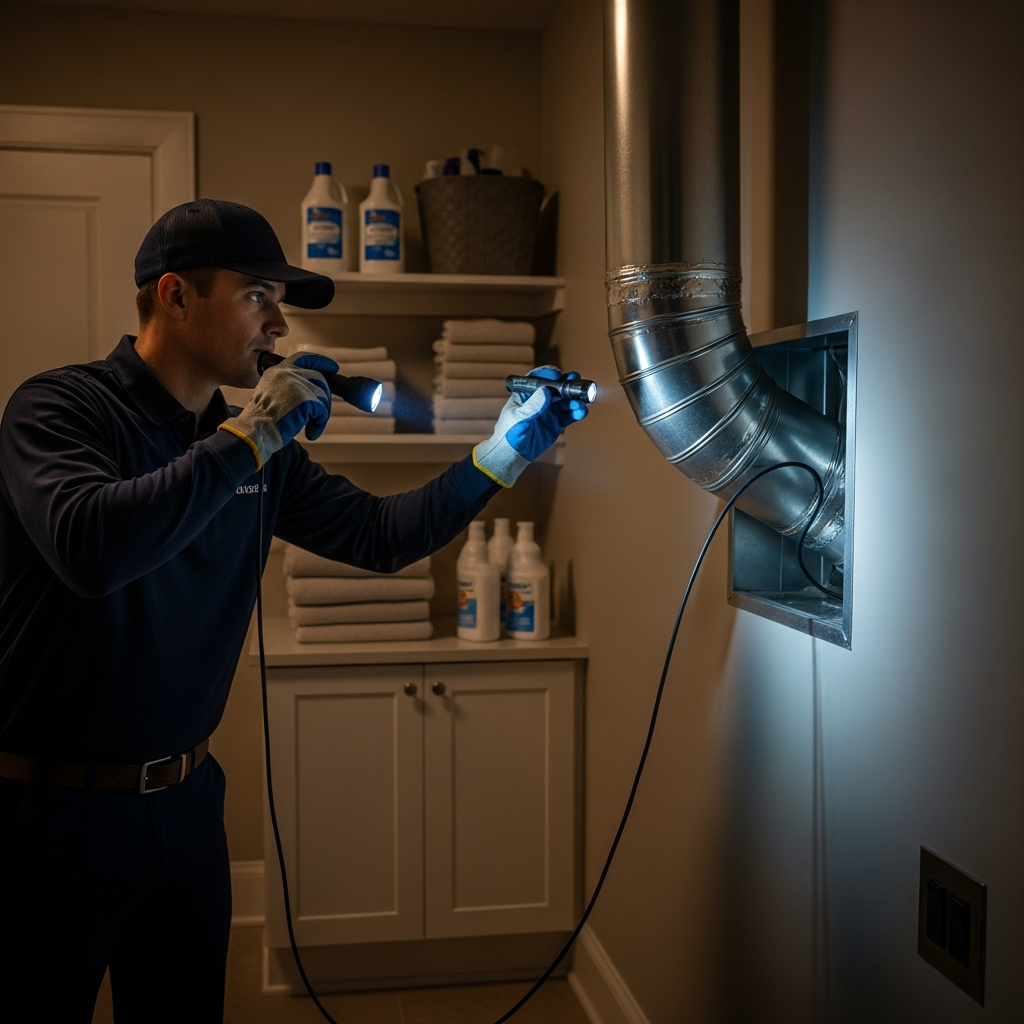
An inspection begins with a conversation about symptoms: longer drying times, odors, or unusual heat around the dryer. The technician then assesses the laundry area for access and checks the transition connector. They locate the exterior termination, confirm damper movement, and look for obstructions like leaves or nesting activity. If safe and appropriate, they identify the duct route through walls, crawlspaces, or attics.
Documentation is part of a strong inspection. Notes or photos of the exterior hood, any damaged connectors, and routing complexities help create a plan for cleaning. The inspection may include basic airflow checks before and after service to confirm improvement. Finally, the technician may point out materials that are not ideal, such as older flexible ducts that crush easily or collect lint in their ridges.
The Cleaning Process, Step by Step
After inspection, the technician protects floors and nearby surfaces and, if necessary, disconnects the dryer to access the transition and main duct. Specialized brushes and air tools agitate lint so it can be captured without spreading debris in the home. The exterior hood is cleared, and the damper is verified to move freely. The transition connector is evaluated and replaced if crushed or damaged. Once the duct is clear, the system is reassembled.
A functional test follows. The technician runs the dryer briefly and observes the exterior hood. Strong, steady airflow and smooth damper movement are good signs. If airflow remains weak, further investigation may reveal hidden restrictions, damaged sections, or an unusually long run that needs additional attention.
Local Somerville Factors
Somerville’s climate can influence how lint behaves. Winter condensation can cause debris to adhere stubbornly to duct walls; summer humidity and heavier laundry loads can accelerate buildup. Properties in established neighborhoods may have vent routes created around existing structures, resulting in extra bends that concentrate lint. Newer homes sometimes vent through the roof, which brings its own access planning and weather considerations.
Landscaping and wildlife pressures also matter. A hood near dense shrubs can gather debris, and a stuck damper can allow small animals to investigate the opening. Routine checks of the termination—especially after storms—help maintain airflow between professional visits.
Indicators You Need Service Now
If loads that once dried in a single cycle now take two or three, your vent path may be restricted. Excess heat in the laundry room, a musty or burning smell during operation, or a vent flap that barely opens when the dryer runs are other red flags. Modern dryers may shut down mid-cycle if sensors detect overheating; that is a protective measure and a strong signal to schedule service promptly.
DIY Maintenance vs. Professional Care
Homeowners can and should clean the lint screen after every load, vacuum around the dryer cabinet, and visually inspect the exterior hood. These steps help but cannot replace complete duct cleaning, especially in long or complex runs. Professional tools reach bends and distant sections without damaging the duct. Technicians can also identify risks such as crushed connectors, unnecessary screens at the hood, or outdated materials that trap lint.
What to Ask Your Technician
Ask how they document the system, how they verify results, and whether they service the exterior hood. Inquire about protective measures for your home, plans for roof terminations if applicable, and whether they can replace a damaged transition connector during the same visit. Clarify preparation steps you can take, like clearing a path to the dryer and securing pets.
Frequently Asked Questions
Q: How often should an inspection and cleaning be done? A: Many homes benefit from annual service, but high-usage households or long vent runs may require more frequent attention.
Q: Will cleaning help with odors? A: Yes. Removing lint and improving airflow often reduces musty smells linked to moisture retention.
Q: Can I rely on the lint screen alone? A: No. The lint screen is essential but does not capture all particles. The main duct still accumulates debris.
Q: Is roof vent service safe? A: With proper equipment and planning, yes. Weather and access are considered to ensure safety.
Q: What about multifamily or HOA settings? A: Coordinate with property management to follow access guidelines and scheduling rules.
Q: Can the technician fix minor issues discovered during cleaning? A: Many can address small adjustments such as freeing a stuck damper or replacing a crushed connector.
Q: How do I maintain results between visits? A: Clean the lint screen every cycle, avoid overloading the dryer, and keep the exterior hood area clear.
Preparation Tips
Before the appointment, remove items from the top of the dryer, provide clear access to the laundry area, and move outdoor items that might block the exterior hood. Make a note of symptoms you have observed—like cycle counts, odors, or room temperature—and share them with your technician. These details help diagnose issues more quickly.
Why Verified Results Matter
Evidence-based service distinguishes a quick sweep from a thorough job. Airflow readings, photos of the hood, or a simple demonstration of damper movement show that the system performs better after cleaning. Verification also helps plan the next maintenance interval tailored to your home’s layout and laundry habits.
Peace of Mind for Somerville Households
Reliable inspection and cleaning restore the balance between safety and performance. You gain shorter drying times, a cooler laundry area, and reassurance that trapped lint is not silently building up out of sight. If you are ready to move forward, compare local providers and look for teams that prioritize communication, documentation, and safety. As you evaluate, consider a local option for professional dryer vent cleaning that follows the principles outlined here.
Take the Next Step
Protect your home and reclaim your time in the laundry room. Schedule dependable dryer vent cleaning in Somerville with a trusted local team and enjoy safer, smoother airflow starting now.
