
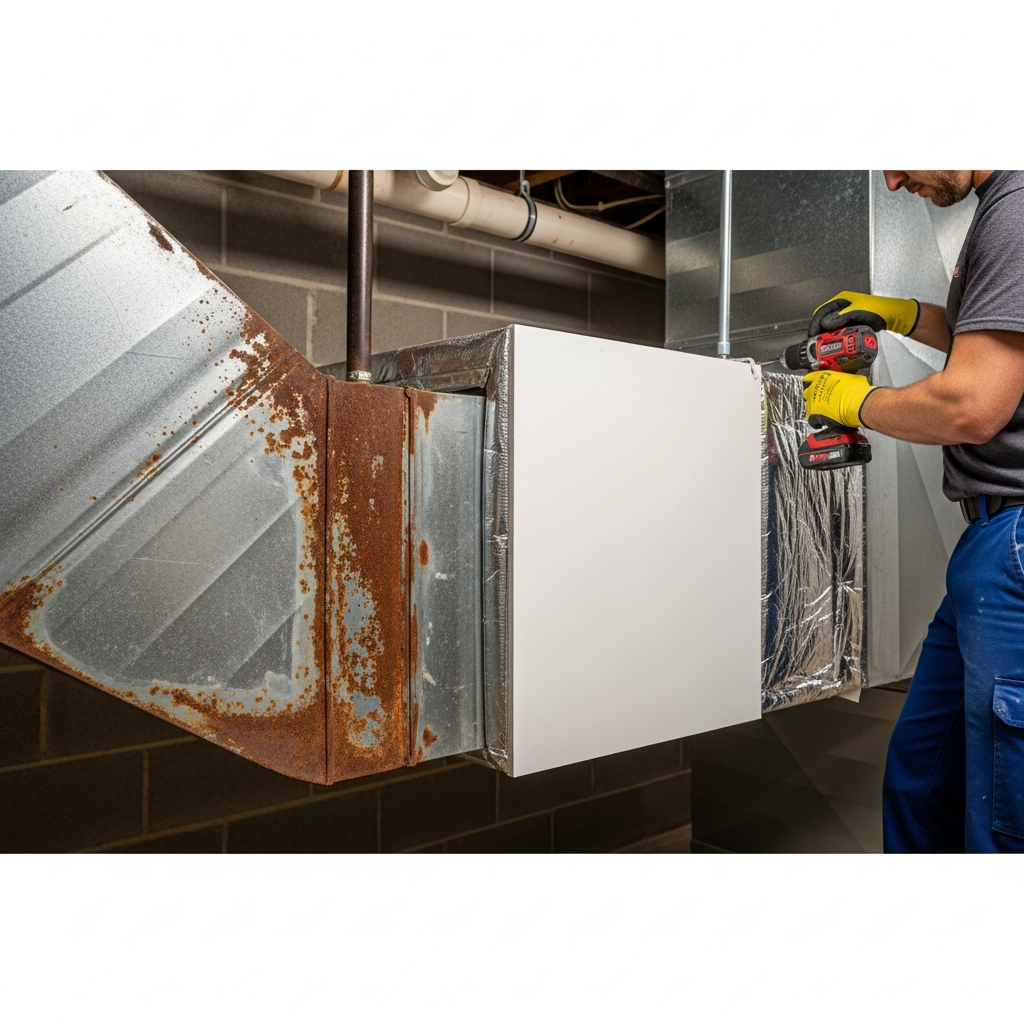
Repair or Replace Your Air Ducts in Somerville?
When air feels uneven, rooms are drafty, or the system grows noisy, Somerville homeowners face a pivotal decision: repair the existing ducts or replace significant sections. The right choice depends on condition, access, goals for comfort and air quality, and how the current layout supports airflow. A thoughtful inspection, rather than guesswork, is the fastest path to a stable outcome. If you want a clear roadmap and verified results, begin with expert air duct repair that documents findings and proposes targeted steps before anyone recommends larger changes.
This guide explains the criteria professionals use to decide between reinforcement and renewal, how each path unfolds, and what benefits to expect over the short and long term.
When Repair Makes the Most Sense
Repair thrives when the distribution network is generally sound but compromised by leaks, loose connections, sags, kinks, or minor design shortcomings. In these situations, sealing, mechanical fastening, hanger corrections, and selective insulation upgrades often restore performance. Returns that draw air from dusty or humid zones can be sealed, and flex runs that were compressed or crushed can be replaced section by section. These targeted steps preserve existing finishes and keep disruption low.
Repairs are also ideal when the layout supports balanced airflow once the obvious defects are resolved. Signs that repair may be the right first move include a few underperforming rooms, whistling at specific joints, or visible gaps at boots and transitions. A well-documented plan will prioritize high-impact fixes first and verify results with measurements.
When Replacement Is the Better Path
Replacement enters the conversation when damage is widespread, materials are failing, or the original design cannot deliver balanced airflow even after sealing and reinforcement. Examples include long stretches of deteriorated duct board, extensive corrosion in metal trunks, or chronic comfort issues caused by undersized returns and poorly routed branches. In these cases, replacing sections—or, in rare scenarios, a near-total reconfiguration—may provide a cleaner, more reliable foundation for comfort.
Replacement projects also make sense during major renovations or additions, when walls and ceilings are already open and access is straightforward. With finishes removed, crews can route ducts more intelligently, size returns correctly, and ensure insulation is appropriate for the spaces ducts pass through.
Somerville Housing Types and Access
Somerville’s mix of historic, mid-century, and newer homes presents distinct access challenges. Tight chases and low crawlspaces require precise planning and patient workmanship. In some homes, replacement of a specific trunk line is simpler than attempting to repair dozens of hidden connections behind finishes. In others, strategic repairs at accessible hubs can stabilize the whole network. A contractor who knows local housing patterns can recommend the right balance of repair and renewal.
Scheduling also depends on access. Open basements and mechanical rooms support quicker work, while finished ceilings and complex chases call for carefully placed openings and coordinated patching. The plan should spell out where access is needed and how surfaces will be protected and restored.
Diagnostics: The Deciding Evidence
Objective testing reveals whether reinforcement is enough or replacement is warranted. Visual checks, pressure diagnostics, and airflow measurements identify where air is escaping, where insulation is thin, and which rooms are starved of supply. If results improve dramatically after targeted sealing and support corrections, repair may be all that is needed. If improvements stall, it may indicate deeper design constraints, which replacement can resolve more effectively.
Photos and notes are essential. When you can see crushed flex, separated seams, or deteriorated duct board, the path forward becomes clear. A data-driven approach reduces uncertainty and builds confidence in the final recommendation.
Comfort, Air Quality, and Noise Considerations
Both repair and replacement aim to stabilize comfort and air quality while reducing noise. Repairs often quiet whistling or rattling by securing joints and balances. Replacement can reduce noise by improving routing and sizing, preventing high-velocity bottlenecks that create turbulence. On the air quality side, sealing return leaks and insulating runs that pass through hot or cold spaces can reduce dust and humidity swings, creating a calmer indoor environment.
For households with sensitivities to allergens or humidity, ask contractors to address return-side sealing early and to verify filtration performance after the work. Balanced airflow supports more consistent temperature and humidity control across rooms and levels.
Materials and Methods
Durable results depend on materials meant for duct applications: mastics that remain flexible, UL-rated tapes, proper hangers, and insulation rated for the environment. In repair scenarios, crews may replace only damaged sections and reinforce transitions. In replacement scenarios, they may upsize returns, straighten runs, and add insulation along routes through unconditioned areas. Mechanical fastening complements sealing so that joints stay tight despite vibration and thermal expansion.
Attention to detail at the air handler, plenums, and boots ensures secure connections where air pressure is highest. These junctions are common leak points and deserve focused craftsmanship in both repair and replacement paths.
Project Sequencing and Homeowner Preparation
Sequencing keeps the project efficient and predictable. High-impact steps come first: sealing major leaks, correcting obvious restrictions, and stabilizing supports. If performance jumps and comfort normalizes, repair may be sufficient. If gains plateau, the plan can pivot to targeted replacement without losing momentum. This staged approach works especially well in Somerville homes where access varies from one section to another.
Homeowners can help by clearing paths to mechanical areas, attics, and crawlspaces, moving fragile items from work zones, and coordinating household routines. Clear communication about daily start and stop times, protection of finishes, and pets keeps focus on quality.
Middle-of-Project Milestones
Midway check-ins confirm alignment. Technicians can show progress photos of sealed joints, re-hung lines, and rebuilt transitions. If hidden conditions differ behind finishes, you will see them and discuss options in real time. Teams that specialize in thorough duct repair services encourage these updates because they ensure the final result reflects your priorities.
These milestones also verify that early steps produced the expected gains. Confirming improvements before moving to later stages protects quality and budget alike.
Longevity, Efficiency, and Value
A well-repaired or thoughtfully replaced duct system reduces strain on heating and cooling equipment. By delivering air to rooms as designed, the system cycles more predictably and filters capture particulates more effectively. Over time, this stability supports equipment life and a quieter, cleaner home. It also gives you a reliable baseline if you later add rooms, finish a basement, or remodel—future work can tie into known-good sections with confidence.
Value is not only mechanical. There is genuine peace of mind in knowing that the pathway for comfort is secure and that future maintenance has a clear map.
Frequently Asked Questions
Q: How do I decide between repair and replacement? A: Start with diagnostics. If targeted sealing, support corrections, and selective section swaps restore airflow and comfort, repair is likely enough. If problems persist due to design or material failure, replacement may be the efficient path.
Q: Will either option improve indoor air quality? A: Yes, especially when return leaks are sealed and insulation is added where ducts cross unconditioned spaces. Cleaner, more stable airflow supports filtration and reduces dust.
Q: Is replacement always disruptive? A: Not necessarily. During renovations, access is already open, making replacement straightforward. Even in finished homes, careful planning and patching can keep disruption reasonable.
Q: Can I phase the work? A: Absolutely. Many homeowners address the most impactful sections first, then schedule further improvements as needed. A coherent plan ensures each phase builds on verified results.
Q: How will I know I chose correctly? A: Post-work measurements, photos, and your lived experience—steadier temperatures, less noise, cleaner air—confirm success. If results fall short, documented diagnostics point to the next best step.
Choose the Path that Fits Your Home
Whether you repair or replace, the goal is the same: a reliable, quiet, and healthy pathway for comfort. By grounding decisions in diagnostics and partnering with a Somerville team that explains options clearly, you can move forward without second-guessing. When you are ready for a measured, evidence-based approach, schedule professional air duct repair services and enjoy a calmer, more consistent home through every season.
