
Understanding Air Duct Repair in Somerville
When homeowners in Somerville, New Jersey start researching air duct work, they quickly discover that the investment depends on more than a single line item. It is shaped by the condition of the existing ducts, the way the home was built, and the performance goals for comfort and air quality. If you are looking for reliable help and a clear picture of what to expect, professional air duct repair can align your system’s needs with a thoughtful, step-by-step plan. This guide explains how contractors think through projects, which variables typically influence estimates, and how to compare proposals with confidence.
Somerville’s building styles range from historic homes with tight crawlspaces to newer properties with accessible basements and mechanical rooms. That diversity means every project begins with a careful inspection rather than a one-size-fits-all approach. You will learn how issues such as leaky joints, crushed runs, missing insulation, and inadequate sealing can influence the scope of work. By the end, you will understand how to create a practical plan that supports comfort, indoor air quality, and energy stewardship without confusion.
Key Factors That Shape Overall Investment
The first driver is the system’s baseline condition. Ducts hidden behind walls or ceilings can develop gaps, loose connections, or damage over time due to vibration, temperature shifts, pests, or prior remodeling. The more widespread the deficiencies, the more steps are required to restore performance. Technicians also gauge how easily they can access each section. Short straight runs in an open basement are faster to assess and repair than labyrinth-like chases behind finished drywall.
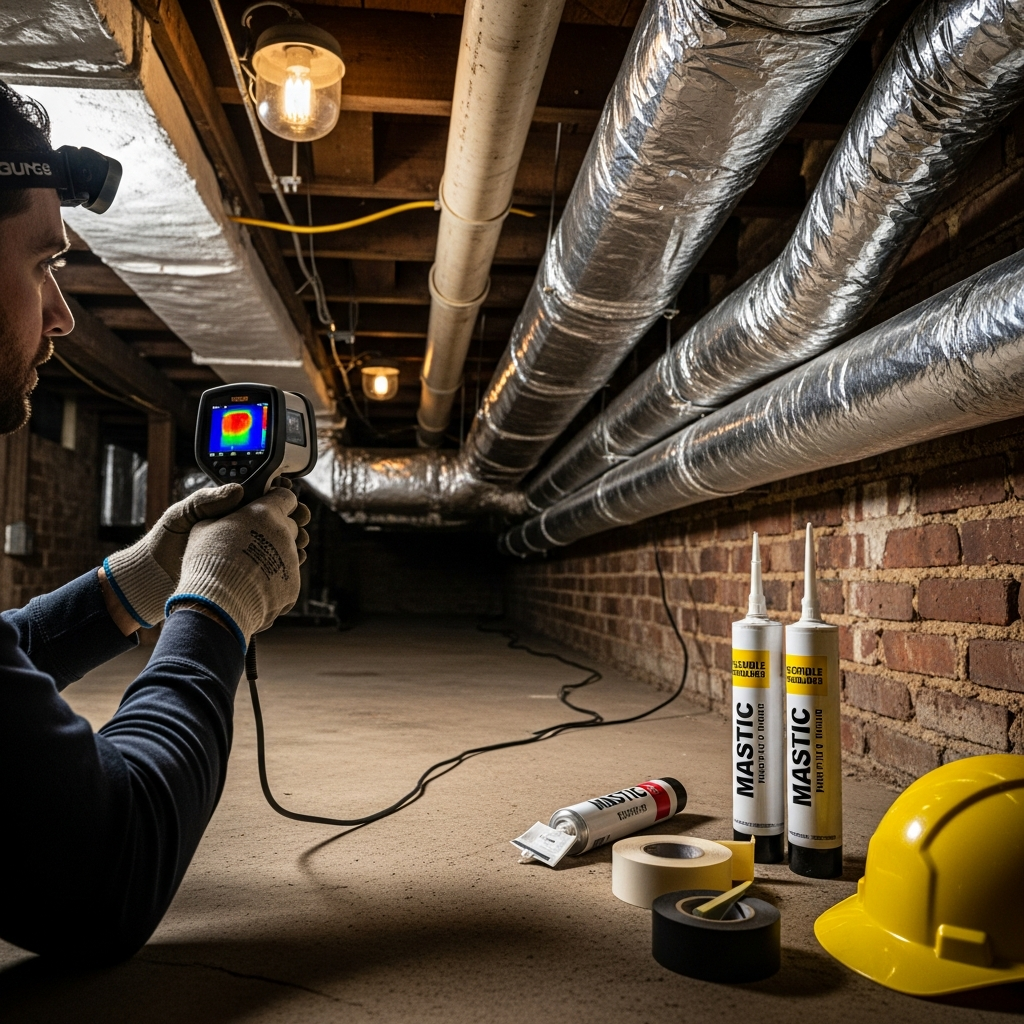
Another influence is the type of ductwork. Sheet metal, flexible duct, and fiberglass duct board behave differently and require tailored materials and techniques. For example, sealing sheet metal often involves mastic and tapes that withstand temperature changes, whereas flex duct might call for replacement of compressed or kinked sections to reestablish proper airflow. Insulation levels also matter; insufficient insulation can cause temperature loss that compromises comfort and efficiency, prompting upgrades during the repair process.
Home Layout and Accessibility in Somerville
Somerville homes present a wide spectrum of access conditions. Some properties have full-height basements with excellent visibility, while others rely on low crawlspaces, tight attics, and concealed chases. Access dictates how long it takes to reach, diagnose, and repair each segment. The presence of finished ceilings, built-in cabinetry, or structural features can require carefully planned openings and precise patching afterward. When access is limited, technicians may use specialized cameras and pressure diagnostics to identify leaks without excessive disruption.
In multi-story homes, balancing airflow between levels is another consideration. Uneven distribution, rooms that run hotter or colder, and underperforming vents can signal restrictions, disconnections, or undersized returns. A thoughtful plan looks at the whole distribution network—from the air handler to the farthest registers—so that improvements in one area do not push problems to another. This system-level view is a cornerstone of well-executed projects.
Scope of Work and Materials
The materials and techniques used will track with the findings of the inspection. Sealing options vary in composition and viscosity, and tapes must be rated for duct applications rather than general use. Technicians may replace deformed elbows, rehang sagging flex duct, or rebuild sections that were installed without sufficient support. Where ducts pass through unconditioned areas, robust insulation and vapor barriers are often recommended to stabilize temperatures and reduce the load on the heating and cooling equipment.
Beyond the ducts themselves, crews evaluate the air handler connections, plenums, and returns. Reinforcing these components prevents conditioned air from escaping and helps the system operate as designed. Return-side leaks can pull in dusty or humid air from garages, attics, or crawlspaces, undermining filtration. By addressing both supply and return issues, the entire network becomes more balanced and healthier for occupants.
Diagnostics and Documentation
Effective projects begin with diagnostics and end with documentation. Visual inspection, blower assessments, and pressure readings reveal where air is entering or escaping. Thermal imaging may highlight temperature differences that point to gaps or missing insulation. After repairs, additional testing confirms that the work delivered measurable improvement. Homeowners should expect a summary that explains what was discovered, what was completed, and how those steps support comfort, air quality, and equipment longevity.
Clear documentation empowers you to maintain your system. It identifies which areas were reinforced, which materials were used, and what preventive steps will keep joints tight over time. Simple practices—changing filters on schedule, keeping supply and return grilles unobstructed, and monitoring humidity—sustain the benefits of the repair effort.
Somerville’s Climate and Seasonal Considerations
Local climate affects both duct condition and scheduling. Freeze-thaw cycles, humid summers, and seasonal pollen can each stress ductwork in different ways. When the outdoor environment pushes the system to work harder, small leaks turn into energy drains and comfort complaints. Planning work during milder weather can help crews perform thorough sealing and insulation improvements while minimizing disruption to your daily routine.
Seasonal demand also changes how quickly appointments are available. Proactive homeowners often arrange inspections before the peak heating or cooling season so that needed repairs are completed ahead of high-load periods. This timeline reduces the risk of uncomfortable days and avoids last-minute scrambling when temperatures swing.
Repair Scenarios: From Localized Fixes to Systemwide Upgrades
Minor issues may involve refreshing seals at accessible joints, adjusting hangers to remove sags, or reattaching dislodged boots at registers. Mid-level scenarios might replace crushed flex runs, reconstruct branch connections, or add insulation in key segments. More extensive rehabilitation can include rerouting undersized returns, rebuilding plenums, or rebalancing airflows to distant rooms. Each scenario is calibrated to the home’s needs and to the goal of consistent comfort throughout the living space.
At the midpoint of many projects, homeowners ask how to keep improvements durable. This is where thoughtful materials, correct fastening techniques, and verified sealing make the difference. The most reliable duct repair services combine craftsmanship with testing so the work stands up to vibration, temperature swings, and normal household activity. A durable solution is not just about patching a visible flaw—it is about restoring the entire path that air follows so the system operates as designed.
Avoiding Scope Creep and Surprises
Transparent planning is the antidote to unexpected add-ons. A thorough inspection reveals which sections are essential and which can be scheduled later. Reputable contractors will explain priority items and offer phased approaches if you prefer to spread work over time. Ask them to walk you through the sequence of tasks so you know how each step supports comfort, air quality, or efficiency. When there is clarity about goals and methods, the project stays focused and predictable.
Homeowners can also prepare the site. Clearing paths to mechanical rooms, moving stored items away from access panels, and noting any prior renovations will help crews work efficiently. If certain rooms have chronic hot or cold spots, document when they occur so technicians can compare those symptoms with diagnostic readings. Collaboration makes repairs more precise and helps avoid rework.
Codes, Standards, and Quality Assurance
Somerville projects follow applicable building codes and commonly accepted standards for duct design and sealing. These benchmarks exist to protect occupant health, maintain fire safety, and encourage energy stewardship. Professional crews know how to meet or exceed these requirements while respecting the aesthetics of finished spaces. When work touches fire-rated assemblies or penetrates building envelopes, proper materials and methods preserve safety and performance.
Quality assurance continues after the last bead of mastic cures. Post-repair testing can validate airflow to distant rooms, confirm that return leaks are no longer pulling unconditioned air, and verify that insulation levels are appropriate. The result is a quieter, more stable system that supports consistent temperatures, cleaner indoor air, and a lighter workload for the equipment.
Energy, Comfort, and Long-Term Value
Well-sealed and properly insulated ducts reduce the strain on heating and cooling components. When air goes where it should, the system cycles more predictably, filters capture particulates more effectively, and rooms feel more even. Over time, that stability can support equipment longevity and a more comfortable living environment. The emotional payoff—fewer drafts, less dust, and quieter operation—often stands out just as much as the mechanical improvements.
Long-term value also means fewer surprises during future renovations. With a documented, well-repaired distribution system, you have a clear baseline if you later remodel a kitchen, finish a basement, or add a room. Contractors can tie into known-good sections, sizing new branches correctly and maintaining balance across the home.
Comparing Proposals with Confidence
When reviewing proposals, focus on clarity and completeness rather than only the headline figure. A strong proposal describes the diagnostic methods, materials, specific locations, and performance goals. It should identify any access challenges and explain how finished surfaces will be protected. If optional enhancements are suggested—such as additional return capacity or insulation upgrades—look for an explanation of the expected benefits so you can decide whether they align with your priorities.
It is wise to request a brief walkthrough, in person or virtually, so the contractor can point out key areas and explain trade-offs. This conversation provides insight into craftsmanship and communication style—two qualities that strongly influence overall satisfaction. The more you understand, the easier it is to approve the work with peace of mind.
Maintenance Habits that Protect Your Investment
After repairs, simple habits keep your ducts in top condition. Replace filters on schedule to maintain airflow and reduce strain on the blower. Keep floor and wall registers free of obstructions so rooms receive the air they are designed to get. Address moisture sources such as basement humidity or minor roof leaks promptly, because moisture can degrade insulation and attract pests. When you notice new noises, unusual odors, or changing comfort patterns, schedule a checkup before small issues grow.
Seasonal visual checks around the air handler, returns, and visible duct runs are also helpful. Look for loose tape, broken supports, or displaced insulation. Early attention keeps joints tight and performance stable. With periodic care, your ducts remain a strong foundation for indoor comfort year-round.
Frequently Asked Questions
Q: What signs suggest I should schedule a duct inspection? A: Uneven temperatures, whistling sounds, persistent dust, and rooms that never feel quite right are common signals. If you have completed a remodel or experienced pest activity, a proactive inspection can reveal hidden issues.
Q: How long does typical repair work take? A: Timelines depend on access and scope. Localized sealing and adjustments can be swift, while broader rehabilitation requires more coordination. A thorough plan minimizes disruption and ensures each step builds toward stable performance.
Q: Will sealing ducts make my system quieter? A: In many cases, yes. Secured joints and properly supported runs can reduce vibration and airflow noise. Balanced distribution also helps equipment operate more steadily, which often sounds quieter to occupants.
Q: Do I need to replace damaged sections, or can they be fixed? A: That depends on severity. Crushed flex or severely corroded metal may be better rebuilt, while moderate leaks and loose connections can often be sealed and reinforced. Your contractor should explain the rationale behind each recommendation.
Q: How can I compare proposals without getting lost in technical language? A: Ask for plain-language summaries of findings, photos of problem areas, and a step-by-step plan. Clarity about methods, materials, and goals makes comparisons straightforward.
Q: Will repairs help with indoor air quality? A: Yes. Sealing return leaks reduces the chance of drawing dusty or humid air from unconditioned spaces. With better sealing, filters work more effectively and rooms feel fresher.
Move Forward with Confidence
Your home’s ductwork is the pathway for comfort. When it is sealed, supported, and insulated correctly, everything downstream works better. If you are ready to take the next step, connect with a Somerville team that documents findings, explains options, and delivers verified results. For expert guidance and dependable workmanship, schedule professional air duct repair services and enjoy a more comfortable, consistent home.
