Dryer vent cleaning and installation are two sides of the same safety and performance coin for Somerville, New Jersey homeowners. A well-installed vent keeps hot, moist air moving in the right direction, while regular cleaning prevents lint accumulation that can reduce airflow and create hazards. If your laundry has started taking longer, your utility room feels humid, or you recently upgraded appliances, it may be time to pair a thoughtful installation check with a thorough cleaning. Partnering with specialists in dryer vent installation ensures that your system is built correctly from the start and stays clean and efficient over time.
Somerville’s mix of historic and modern homes introduces varied duct runs, wall constructions, and venting challenges. Older homes may feature extended routes or limited exterior wall access, while newer homes sometimes place laundry rooms centrally for convenience. These layouts can influence how often your vent needs cleaning and how the installation should be designed to maintain steady airflow.
Why Cleaning and Installation Go Hand in Hand
A clean vent is essential, but its effectiveness is limited if the system is poorly designed. Sharp bends, long runs, and flimsy materials encourage lint to collect in ridges and elbows. When installations follow best practices—using smooth-wall metal ducts, minimizing elbows, and ensuring a proper exterior termination—cleaning becomes easier and your dryer works more efficiently. Together, a quality installation and routine maintenance deliver safer, faster drying cycles.
- Safety first: Lint is highly combustible; reducing buildup lowers risk.
- Efficiency: Clear pathways help remove moisture and heat quickly.
- Appliance health: Reduced strain on the motor and sensors promotes longevity.
- Indoor air quality: Proper exhaust routing keeps humid air out of living spaces.
How Professionals Approach Vent Cleaning
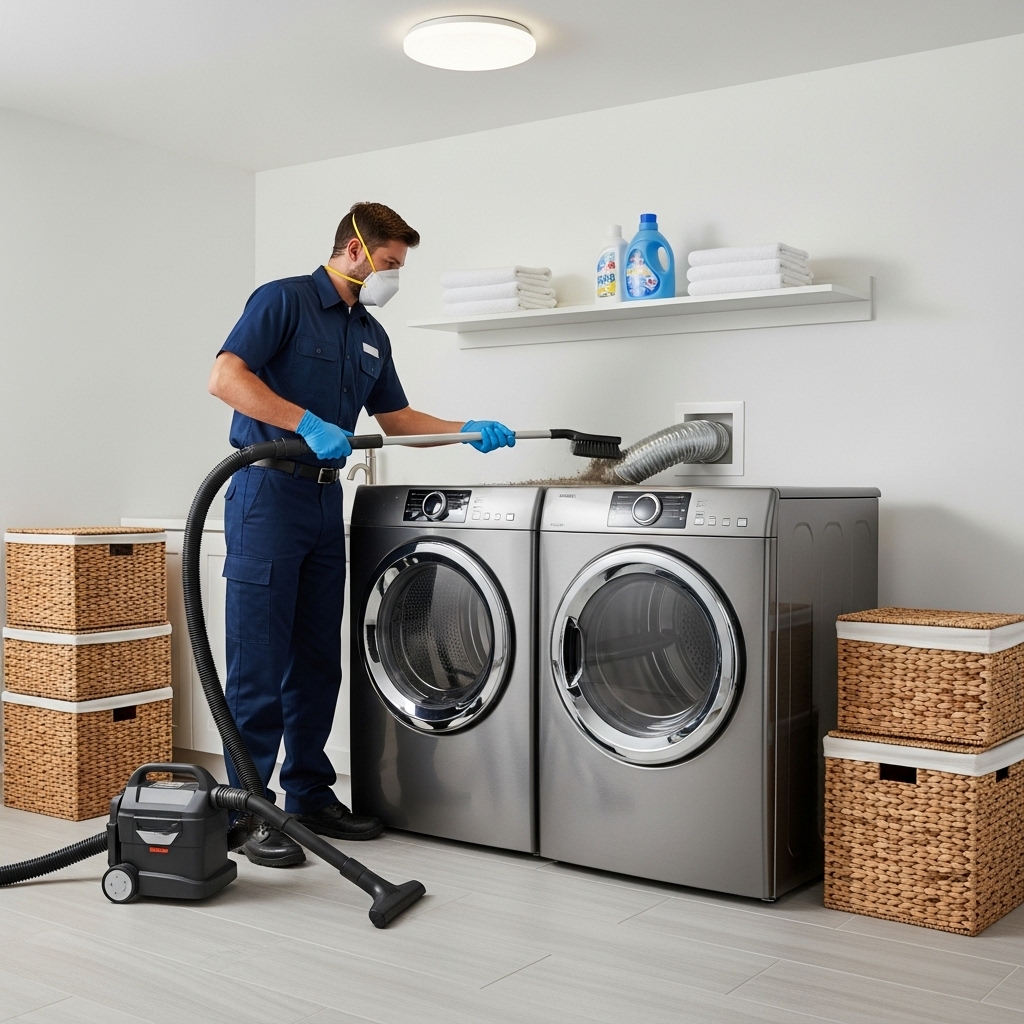
Professional dryer vent cleaning is a structured process. It begins with a visual inspection of both the interior and exterior components, followed by a methodical approach to dislodging and removing lint and debris. The goal is not only to clear the path but also to identify any mechanical or installation issues that could cause future problems.
- Inspection: Evaluate the vent path, exterior hood, transitions, and any suspect joints or crimps.
- Preparation: Protect surrounding surfaces and ensure safe access to the vent run and exterior termination.
- Agitation and removal: Use specialized tools to loosen and extract lint without damaging the duct.
- Airflow verification: Confirm that exhaust moves freely and that the damper opens and closes properly.
- Recommendations: If a routing or materials problem is discovered, discuss installation improvements.
Cleaning intervals depend on household size, laundry frequency, and vent length. Homes with larger families, pet hair, or long duct runs benefit from more frequent cleaning. Pay attention to changes in drying time or heat levels—these variables often signal airflow issues long before a clog becomes severe.
Best Practices for Quality Vent Installation
Installation is the foundation of a safe, efficient dryer vent system. The right plan uses the shortest practical route, limits elbows, and employs robust materials that resist crushing and lint accumulation. Effective sealing prevents leaks and keeps exhaust air moving outward as intended.
- Use smooth-wall metal ducting for consistent airflow and durability.
- Minimize elbows and unnecessary length to reduce resistance.
- Install a quality exterior hood with a backdraft damper that opens freely.
- Secure joints and support long sections to prevent sagging.
- Keep the transition connection behind the dryer short and accessible.
Common Problems Found During Cleaning
Cleaning often reveals issues that stem from older or improvised installations. While these problems may not appear catastrophic at first glance, they can slowly impair performance and increase risk. Addressing them promptly can transform the way your dryer operates and make future maintenance more straightforward.
- Crushed or kinked transition ducts that restrict airflow.
- Excessive flexible ducting used for long runs instead of rigid piping.
- Poorly sealed joints that leak warm, moist air into wall cavities.
- Exterior hoods with jammed dampers or heavy lint accumulation.
- Vents that terminate in crawlspaces, attics, or garages rather than outside.
Integrating Cleaning With Installation Upgrades
If cleaning reveals chronic airflow restrictions, consider a partial or complete installation upgrade. A professional can redesign the route, swap out materials, and add accessible cleanout points where helpful. These improvements don’t just solve the immediate issue—they set the stage for smoother maintenance and better performance long term.
In many Somerville homes, a few strategic changes make a big difference: straightening sections to remove unnecessary bends, replacing flexible runs with rigid ducting, or relocating the termination to a more suitable exterior wall. If you plan to remodel or move the laundry area, coordinate installation early to ensure the final layout promotes efficient venting.
Choosing a Somerville Team You Can Trust
Look for a provider with extensive experience in both cleaning and installation. This dual expertise ensures that the team can identify hidden airflow barriers, correct them, and set up a maintenance schedule tailored to your household. Ask about the tools they use, how they verify airflow, and what materials they recommend for long-term reliability. A clear, step-by-step process is a strong sign of professionalism and accountability. When comparing options, prioritize a team known for reliable dryer vent installation in a variety of home styles across the Somerville area.
- Proven local experience: Familiarity with typical home layouts and exterior terminations.
- Thorough inspections: Ability to find concealed obstructions and risky materials.
- Transparent recommendations: Clear explanations of what needs upgrading and why.
- Maintenance planning: Scheduled cleanings and reminders prevent future surprises.
Maintenance Tips Between Professional Visits
Daily habits support the health of your dryer vent system. Always clean the lint screen before or after every load and avoid overloading the dryer, which can trap moisture and heat. Leave a few inches of space behind the appliance to prevent crushing the transition duct. Check the exterior hood periodically to ensure the damper moves freely and no lint nests around the opening. If performance changes suddenly—longer cycle times, greater heat, or musty smells—schedule an inspection promptly.
- Use the shortest, straightest route possible for the transition duct.
- Do not run the dryer without a lint screen.
- Keep laundry area storage organized to avoid pressing items against ducts.
- Note any unusual sounds or vibrations that could indicate vent restrictions.
Frequently Asked Questions
How often should I clean my dryer vent? Frequency depends on usage and the length of the vent run. Homes with heavy laundry loads or pets may need more frequent service. Monitoring drying times is a practical way to know when airflow may be restricted.
What should the vent be made of? Smooth-wall metal ducting is recommended for most installations because it supports steady airflow and resists crushing. Flexible plastic ducts are generally avoided as primary venting.
Can the vent go through the roof? It can, but routing must be planned carefully to manage condensation and length. Through-wall terminations are often more direct and easier to maintain when possible.
Will cleaning alone fix slow drying? Sometimes, but if the route is overly long or has too many bends, installation improvements may be needed to achieve consistent performance.
What if my dryer is in the home’s center? A professional can design a compliant path with minimal elbows and accessible sections for future cleaning.
How do I know if the exterior hood is working? The damper should open freely when the dryer runs and close afterward. If it sticks or shows visible lint accumulation, schedule service.
Restore Safe, Efficient Venting in Somerville
Bringing cleaning and installation together offers the strongest protection for your home and the best performance from your dryer. With careful routing, durable materials, and a sensible maintenance plan, you can avoid surprises and keep laundry moving smoothly. For guidance, upgrades, and ongoing support, trust a local team skilled in dryer vent installation who can also design a cleaning schedule that fits your household. Reach out today to schedule an assessment and take the next step toward safer, faster drying cycles.
