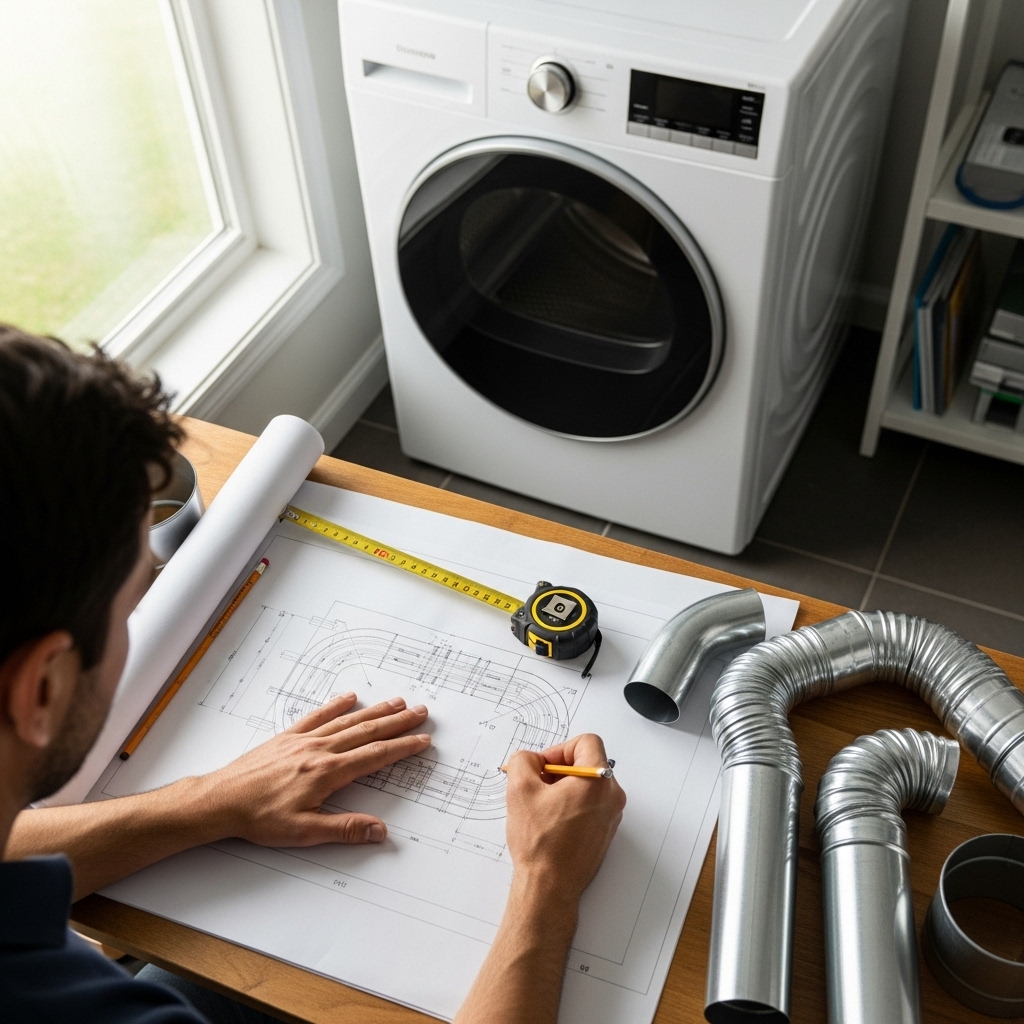
Understanding what shapes professional dryer vent installation in Somerville, New Jersey helps homeowners plan smarter projects and achieve better results. While every home is unique, certain factors consistently influence the scope of work, the time required, and the materials best suited for long-term safety and performance. Instead of focusing on numbers, it is more useful to explore the elements that determine the complexity of the job and the value of a well-executed installation. By working with experts in dryer vent installation, you gain clear guidance on routing options, code considerations, and maintenance planning that keeps your system running efficiently.
Somerville’s housing mix—historic homes, mid-century designs, and newer builds—presents different challenges for running a safe, direct vent path. Some homes offer a short through-wall route, while others require longer runs with careful planning to maintain airflow. The right professional will evaluate your space methodically and recommend a solution that balances safety, performance, and future maintenance needs.
Key Factors That Shape the Scope of Installation
Several core variables influence the work involved in a dryer vent project. These relate to your home’s architecture, the location of the laundry area, material choices, and the condition of any existing components. Understanding these items helps set expectations and guides a productive conversation with your installer.
- Vent path length: Shorter, straighter routes support better airflow. Longer runs require more planning and support.
- Number of elbows: Each bend introduces resistance; minimal elbows are ideal.
- Material selection: Smooth-wall metal ducting performs better than flexible alternatives for primary venting.
- Exterior termination: Hood design, damper function, and precise placement matter for reliable exhaust.
- Access and obstacles: Finished walls, tight utility closets, and structural elements can add complexity.
Home Layout and Laundry Placement
Where your laundry sits in the home dramatically changes the routing strategy. An exterior-wall laundry area often allows a short route that is easier to maintain. Centrally located laundry rooms in multi-story homes can involve a vertical or longer horizontal run. In historic Somerville properties, installers may find limited pathways through existing framing or masonry, prompting creative yet compliant solutions. The objective remains the same: create a code-aligned, efficient route with minimal resistance and durable materials.
Materials and Craftsmanship
Material quality affects performance and longevity. Smooth-wall metal ducting resists crushing and minimizes lint accumulation along joints. Correctly sealed connections prevent leaks that would otherwise release warm, moist air into wall cavities. The exterior hood must include a freely moving damper to reduce backdrafts and discourage pests. Attention to detail—tight joints, proper supports, carefully measured cuts—ensures the system remains dependable and easier to clean in the years ahead.
Existing Conditions and Remediation
Many Somerville homes already have a vent in place, but not all are configured safely or efficiently. During an evaluation, a professional will check for concealed elbows, crushed ducts, long stretches of flexible material, or terminations that do not exhaust outdoors. Correcting these issues can involve removing old components, redesigning the route, and installing a compliant exterior termination. Although remediation adds steps to the project, it significantly improves safety and performance.
Airflow Verification and Performance
A thorough installation concludes with testing. Verifying airflow helps confirm that the system performs as intended, and that the damper opens and closes freely at the termination. If long runs are unavoidable, accessible cleanout points and strategically placed supports can facilitate future maintenance. With the right design and validation, your dryer should operate with consistent cycle times and balanced heat, improving both convenience and appliance longevity.
Planning for Long-Term Maintenance
A well-installed vent is easier to maintain. Shorter routes with fewer elbows collect less lint and simplify professional cleanings. During installation, ask about best practices for keeping the system running smoothly: how to position the dryer to avoid crushing the transition, how to monitor the exterior hood, and how frequently to schedule cleanings based on your household’s laundry volume. A proactive plan keeps performance steady and mitigates risks.
Choosing a Somerville Specialist
Experience matters when the goal is a safe, efficient vent that respects your home’s design. Seek a provider who focuses on dryer vent systems and can clearly explain how they will route ducting, what materials they will use, and how they validate performance. A transparent process reveals expertise and helps you make confident decisions. Teams that regularly perform professional dryer vent installation in Somerville are prepared for varied home types, from compact condos to multi-story houses.
- Specialization: Dedicated experience in vent systems rather than general handyman work.
- Local knowledge: Familiar with typical Somerville wall assemblies and exterior materials.
- Clear communication: Step-by-step explanations and maintenance guidance.
- Airflow testing: Validates that the installation performs as designed.
Project Scenarios and Considerations
Every home tells a different story. Consider a short, direct through-wall installation in a first-floor laundry room: the route may involve minimal materials and fewer steps. In contrast, a centrally located laundry on an upper floor may need a longer run that requires precise planning, supports, and careful sealing. If an older vent must be removed, the project may include remediation and drywall or exterior repairs around the old termination point. Discussing these scenarios with your installer clarifies expectations and helps you plan your timeline.
Permits and Code Alignment
Depending on the scope of work and local requirements, an installation may involve permits. Code alignment covers duct materials, run length guidelines, termination details, and safe clearances. A knowledgeable professional will navigate these requirements and document their approach. When the final result is compliant and thoughtfully executed, you benefit from improved safety and predictable performance.
Common Missteps to Avoid
Seemingly small shortcuts can compromise a vent’s performance. Using thin, flexible ducting for long runs, adding unnecessary elbows, or terminating into non-living spaces all create risks that can be difficult to spot until problems arise. The safest course is to prioritize durable materials, direct routes, and a termination that opens freely to the outdoors.
- Avoid long, unsupported spans that can sag and trap lint.
- Do not vent into attics, crawlspaces, or garages.
- Limit elbows and radius changes wherever possible.
- Use smooth-wall metal ducting and secure all joints.
Somerville Climate and Exterior Termination
Seasonal changes can affect exterior terminations. In colder months, condensation management and damper function become especially important. Proper hood selection and precise installation help ensure that exhaust flows freely regardless of weather. Keep the area around the termination clear of debris and vegetation to maintain unhindered airflow year-round.
Frequently Asked Questions
What determines how complex a dryer vent installation will be? The length of the run, number of elbows, existing conditions, and access constraints all contribute. An assessment reveals the most practical, code-aligned route for your home.
Can an old vent be reused? It depends on its condition and configuration. If it uses inappropriate materials, has too many bends, or terminates improperly, redesigning and replacing components is the safer choice.
How is airflow verified? Professionals use testing methods to confirm that the vent clears exhaust efficiently and that the exterior damper operates smoothly.
What if my laundry room is not on an exterior wall? A well-planned route can still achieve good performance, but it may require a longer run with careful support and accessible cleanout points.
Will a new installation reduce drying times? Often yes. Improved airflow helps the dryer evacuate moisture quickly, leading to more consistent cycles.
How should I maintain the system after installation? Clean the lint screen each cycle, check the exterior hood, and schedule periodic professional cleanings based on your usage and run length.
Plan a Safer, Higher-Performing Vent in Somerville
A thoughtful dryer vent installation is about more than connecting a duct; it is an investment in home safety, appliance performance, and day-to-day convenience. By understanding the factors that shape the work—layout, materials, routing, and verification—you can make informed choices that serve your household for years. For a clear plan, careful workmanship, and ongoing support in Somerville, choose a team that specializes in dryer vent installation and is committed to long-term reliability. Reach out to schedule an evaluation and take the next step toward a safer, more efficient laundry setup.
