This homeowner guide to dryer vent installation in Somerville, New Jersey is designed to help you make confident, informed decisions about an essential system you use every week. A clear, well‑sealed vent keeps heat and moisture moving outside, shortens dry times, and supports safe, reliable operation. Whether you are updating a laundry closet in a townhome or installing a vent for the first time in a single‑family house, the basics remain the same: plan a direct route, use durable materials, and verify performance. If you prefer expert help from the start, consider scheduling professional dryer vent installation so your system is built right the first time.
Core principles every homeowner should know
Dryers move warm, moist air out of the home through a vent. Efficiency depends on the route’s length, the number of bends, and the smoothness of the interior surface. A short path with gentle elbows and rigid metal duct reduces friction, moving air quickly and evenly. The termination must be dedicated to the dryer and should open easily under airflow, then close to block drafts and pests when the appliance is off.
Because lint is a byproduct of drying, every part of the route should discourage accumulation. That means avoiding screws that penetrate the duct interior, preventing kinks behind the appliance, and ensuring joints are sealed to stop leaks and turbulence.
Planning your route
- Identify the shortest feasible path to an exterior wall or roof.
- Estimate the number of elbows and calculate equivalent length based on manufacturer guidance.
- Select a termination location that remains accessible and protected from wind and debris.
- Decide how to support the duct to maintain alignment and a slight slope toward the exterior.
- Consider insulation where the route passes through unconditioned spaces to discourage condensation.
Choosing materials that last
Rigid metal duct is the backbone of a high‑performing system. It keeps the interior smooth and resists crushing. Approved elbows and connectors allow tight, clean joints, while foil tape rated for ductwork seals seams without intruding into the airflow. The short connector behind the dryer should be a UL‑listed transition piece designed for appliance movement without kinking.
Somerville‑specific considerations
Local weather and home styles influence design. Older homes may have masonry walls that require careful coring and sealing. Newer homes with compact mechanical chases demand precise elbow placement and correct support spacing. Outside, wind exposure and landscaping can affect the termination’s performance. Choosing a hood designed for dryer exhaust ensures the damper opens freely and resists clogging.
Signs you need a new or improved installation
- Dry times extend beyond one cycle for normal loads.
- The laundry area feels unusually warm or humid during drying.
- Lint collects quickly at the exterior hood and the damper barely opens.
- A burning or musty odor appears during operation.
- Visible flexible duct runs through walls or ceilings, or the vent terminates indoors.
DIY versus professional help
Installing a vent yourself may seem straightforward until you encounter hidden utilities, tight framing, or a tricky exterior finish. A professional arrives with the right hole saws, masonry bits, flashing techniques, and sealing materials to create a clean, durable result. They also understand airflow limits, keeping equivalent length within the dryer’s recommendations. If your layout involves multiple turns, a roof termination, or masonry, professional assistance is a wise choice.
Step‑by‑step overview
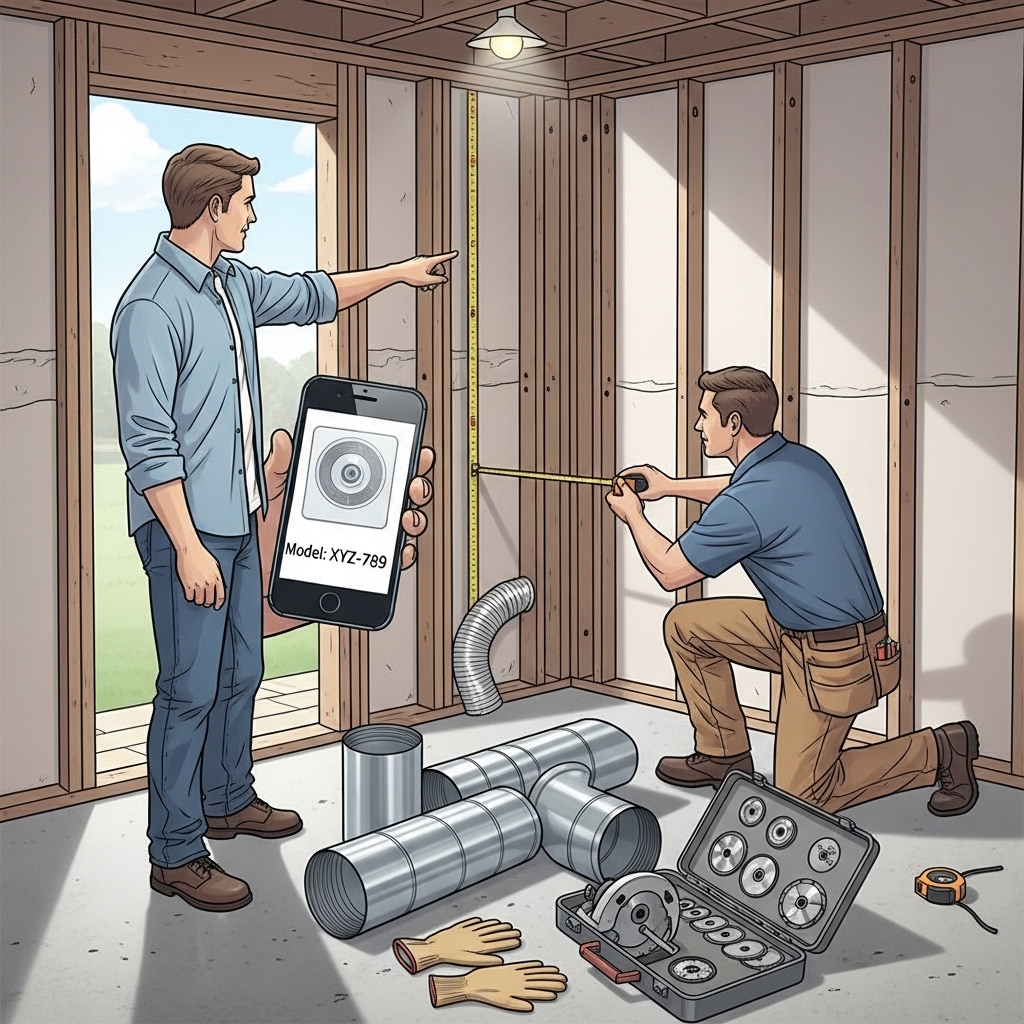
- Assessment: Measure the space, confirm dryer model, and map the route with minimal elbows.
- Penetration: Drill a pilot hole to verify a clear path, then cut the final opening.
- Termination: Install and seal a hood or cap with a free‑moving damper.
- Duct assembly: Dry‑fit rigid sections, adjust elbows, and seal joints with approved tape.
- Connection: Use a UL‑listed transition behind the dryer to prevent kinks.
- Commissioning: Run the dryer and observe the exterior damper for full, steady opening.
Maintenance habits that pay off
- Empty the lint screen every load and wipe its housing occasionally.
- Inspect the exterior termination monthly and after storms or heavy pollen.
- Schedule periodic professional cleaning based on household usage and pets.
- Monitor dry times; increases often indicate restriction that needs attention.
Middle guidance: why specialists excel
Experienced technicians who focus on dryer vent installation bring precise tools and proven methods to your project. They plan routes that respect manufacturer limits, protect your exterior finishes, and produce a smooth, serviceable system that remains easy to maintain over time.
Common mistakes to avoid
- Running flexible foil or plastic duct through concealed spaces.
- Using screws that protrude into the airstream and trap lint.
- Placing too many tight elbows that increase resistance.
- Skipping proper flashing on roof terminations.
- Crushing the connector behind the dryer when pushing the appliance back.
Troubleshooting performance issues
If dry times increase, first clean the lint screen and check the exterior damper while the dryer is running. If it barely opens or if exhaust feels weak, the route may be restricted. Look for kinks behind the appliance and verify that the connector is not crushed. If the system is rigid and clear but performance stays poor, the route may be too long or have too many bends, and a re‑route could restore airflow.
How to prepare your space
- Clear the area around the dryer so it can be moved safely.
- Ensure outdoor access to the termination area is not blocked by vehicles or landscaping.
- Gather your dryer’s model information for venting specifications.
- Plan to run a short cycle at the end of the visit to confirm airflow.
Frequently asked questions
Can I vent into a crawlspace, attic, or garage? Dryer exhaust must terminate outdoors. Indoor termination allows moisture and lint to accumulate where you do not want them.
Do all dryers require the same duct size? Most residential dryers use a standard outlet size, but model guidance and equivalent length limits vary. A professional will confirm sizing and route limits for your unit.
What is equivalent length and why does it matter? Each elbow adds resistance that the dryer must overcome. Equivalent length is a way to express that resistance in straight‑run terms so the total route stays within the appliance’s capability.
How often should I clean the vent after installation? Cleaning intervals depend on usage, pets, and route length. Monitor performance and schedule service if dry times increase or if the damper no longer opens freely.
Is a roof exit as reliable as a sidewall exit? With proper flashing, support, and an appropriate cap, roof terminations can perform very well when sidewall options are limited.
What if my laundry closet has very tight space? A UL‑listed transition connector helps prevent kinks, and precise placement of the rigid duct protects the connection when the dryer is moved back.
Putting it all together
When you apply the principles in this guide—direct routing, rigid materials, quality sealing, and verification—you create a vent that supports quicker drying, lower appliance stress, and a more comfortable laundry area. Small details like damper selection, support spacing, and connector choice make a big difference in day‑to‑day performance.
Take action with confidence
Give your home the benefit of a carefully planned and executed system that keeps air moving the right way—out. If you want a smooth process and dependable results from local experts who understand Somerville homes, schedule professional dryer vent installation and enjoy consistent, efficient drying in every season.
