
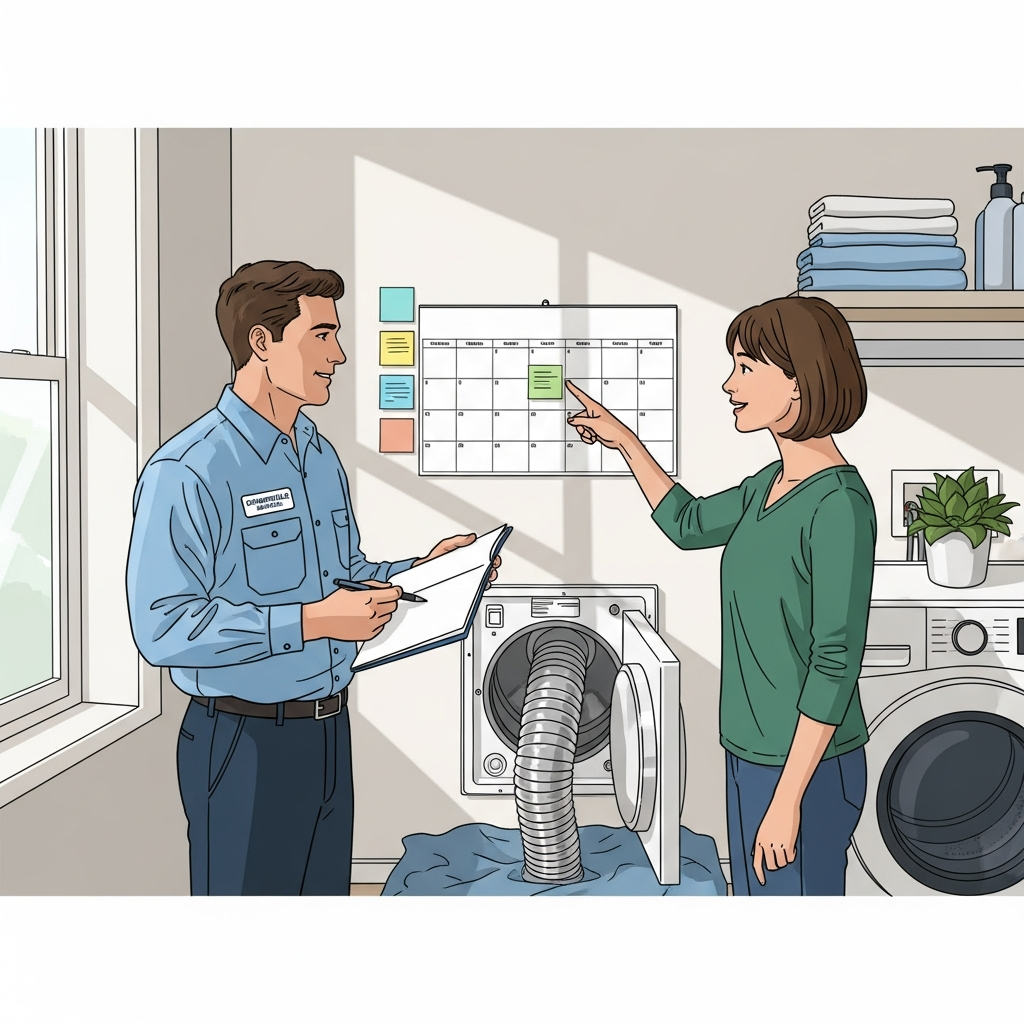
How Often to Schedule Dryer Vent Cleaning in Somerville, New Jersey
Knowing when to schedule dryer vent cleaning is essential for safe, efficient laundry days. While a general rule of thumb suggests annual attention for many households, the right interval for a Somerville home depends on usage, vent length, number of turns, and local factors like seasonal humidity and exterior exposure. By aligning service frequency with the realities of your property and routine, you can keep airflow strong, protect your appliance, and reduce the risk of overheating.
Scheduling isn’t just about marking a date on the calendar. It’s about listening to your dryer, recognizing early warning signs, and understanding how different living situations influence lint production and moisture exhaust. The more accurately you match maintenance to your circumstances, the more consistently your dryer will perform.
This guide offers a framework tailored to Somerville homeowners, from single-family houses and historic properties to townhomes and condos with interior laundry closets. With the right cadence, you can spend less time running repeat cycles and more time enjoying reliable results.
The Baseline: Annual Attention for Many Homes
For average-use households—think five to seven loads per week with a standard vent route—an annual professional cleaning is a sensible starting point. This interval clears accumulated lint before it becomes problematic and provides a periodic check on the condition of the connector, the exterior termination, and any tricky elbows along the path.
Even in homes where the dryer appears to perform “fine,” hidden buildup can form in elbows and long sections that are hard to access. An annual visit helps catch small issues early and confirm that the exterior damper opens and seals correctly with the seasons.
Adjusting the Schedule for Heavier Use
Heavy laundry volume means more lint and moisture moving through the system. Households with large families, athletes, or multiple pets may benefit from cleaning every six to nine months. Frequent loads of towels, bedding, and pet blankets generate dense lint and hold moisture, increasing the likelihood of buildup in elbows and at the termination.
If you notice repeat cycles, hotter laundry rooms, or a persistent musty or burnt smell, those are signs that your current interval is too long. Moving to a shorter schedule restores airflow before strain and heat escalate.
Vent Length, Turns, and Termination Type
Long runs and multiple elbows slow airflow and create places for lint to collect. Homes with interior laundry closets in the center of the floor plan often have extended paths to an exterior wall or roof termination. These longer, more complex routes usually require more frequent attention—sometimes twice per year—especially when paired with high laundry volume.
Termination location also matters. Roof terminations can be harder to access and may face wind effects that influence damper function. Exterior wall terminations near landscaping can gather debris. A professional who knows Somerville housing styles can advise on the best maintenance cadence for your specific route.
Material Choices and Connectors
The connector behind the dryer and the material composition of the vent influence performance between cleanings. Crush-prone or unsuitable connectors kink easily, leading to immediate restrictions that trap lint. Upgrading to a more robust, code-appropriate connector helps preserve airflow and may extend your maintenance interval. During service, technicians assess these components and recommend improvements that align with best practices.
Seasonal Considerations in Somerville
Somerville’s humid summers and chilly winters shape how lint and moisture travel. Humidity can encourage clumping, while winter air can stiffen dampers and make marginal restrictions more noticeable. Many homeowners schedule ahead of seasonal peaks—spring for post-winter checks or early fall ahead of holiday laundry surges. Planning around the seasons helps ensure your system is ready when you need it most.
DIY vs. Professional Intervals
It’s wise to clear the lint trap after every load and keep the area around the dryer tidy. Some homeowners supplement with DIY brush kits, which can help on short, straight runs. However, DIY tools rarely match the reach and verification of professional service. Treat DIY as a periodic touch-up and rely on professionals for end-to-end cleaning and performance checks at intervals suitable to your usage and vent complexity.
Warning Signs That Call for Immediate Attention
Regardless of your regular schedule, certain symptoms warrant prompt evaluation to avoid strain and overheating.
- Drying times stretch beyond a single cycle or progressively lengthen over weeks.
- The laundry area feels unusually hot or humid during operation.
- There’s a musty or burnt odor while the dryer runs.
- Lint accumulates behind the dryer or near the exterior vent termination.
- The exterior flap sticks or fails to open fully.
- The dryer displays airflow or heat-related error codes.
These signs point to restricted exhaust. A professional evaluation can identify the root cause and reset your maintenance clock.
How Technicians Determine the Right Frequency
A professional will consider your vent route, household habits, appliance age, and any recurring symptoms to recommend a tailored timeline. They may suggest an initial follow-up sooner than annual to benchmark your home’s behavior. After one or two cycles of service and observation, you’ll have a reliable interval that reflects real-world performance.
Preparing for Your Appointment
A bit of preparation ensures smooth service and accurate results. Clear a path to the laundry area, move detergents and baskets, and secure pets. If your laundry is in a closet or stacked, mention this while scheduling so the technician brings the right tools. Also, ensure the exterior termination is accessible, particularly if landscaping or seasonal items are nearby.
- Remove items from on top of or in front of the dryer.
- Locate the exterior vent and clear general access.
- Note any persistent symptoms to share with the technician.
- Plan for brief appliance downtime during service.
Verification Matters
Whether you maintain an annual or semiannual schedule, insist on verification. Professionals should confirm that the exterior termination opens and closes correctly and that airflow is restored. This data helps fine-tune your interval and ensures that the visit delivered the intended results.
Maintenance Habits That Extend the Interval
Small actions between professional visits keep airflow strong and reduce the chance of early restrictions.
- Clean the lint trap after every load.
- Avoid overloading the dryer, which sheds more lint and traps moisture.
- Position the dryer to prevent crushing the connector.
- Periodically glance at the exterior termination while the dryer runs; you should see or feel steady exhaust.
- Keep the laundry area well-ventilated to help dissipate residual moisture.
These habits support consistent performance and may allow you to maintain your preferred interval confidently.
Somerville Housing Scenarios and Suggested Cadences
Every home is unique, but the examples below illustrate how property type and usage can guide scheduling.
- Historic homes with long basement or attic runs: Start with every six to nine months, then adjust based on performance checks.
- Townhomes with mid-unit laundry closets: Consider semiannual service if drying times creep up or if the run includes multiple elbows.
- Single-family homes with short, straight vents: Annual service may suffice, provided verification shows strong airflow.
- Homes with multiple pets or frequent towel and bedding loads: Lean toward shorter intervals due to increased lint production.
Use these as conversation starters with your technician, who can calibrate recommendations after inspecting your specific setup.
Midway Reminder for Pro Help
If you want tailored guidance and verified results, partner with Somerville specialists who offer comprehensive dryer vent cleaning. With local insight and performance checks, you’ll land on a schedule that fits your home’s real-world needs.
Frequently Asked Questions
Q: Is annual service always enough? A: Not necessarily. Homes with long runs, multiple elbows, or heavy laundry use may require more frequent attention. Verification after each visit helps fine-tune the right cadence.
Q: What if my dryer seems to work fine? A: Hidden buildup can accumulate long before symptoms show. Periodic professional checks confirm that airflow remains strong and the exterior damper operates properly.
Q: Can I rely on DIY tools instead? A: DIY can help with short, straight runs, but it rarely replaces a full-path cleaning and verification performed by professionals.
Q: Do seasons affect how often I should book? A: Yes. Humid summers and cold winters affect lint behavior and damper function. Scheduling ahead of seasonal peaks keeps performance consistent.
Q: Will cleaning help with odors? A: Yes. Clearing lint and moisture pockets, plus confirming proper exhaust, usually resolves musty or burnt smells.
Q: How do I know it’s time to shorten the interval? A: Watch for longer drying times, heat or humidity in the laundry area, odors, or a stuck exterior flap—these suggest airflow restrictions are returning sooner.
Q: Should I upgrade the connector behind my dryer? A: If it’s easily crushed or kinked, upgrading to a more robust, code-appropriate connector can improve performance and help maintain your chosen interval.
Q: Do stacked washer-dryer units require different care? A: Stacked units often sit in tighter spaces with longer runs, so more frequent professional checks can be beneficial.
Q: What about multifamily buildings? A: Shared walls and unique venting paths can complicate access. Work with a local pro who understands building layouts and can coordinate access and safety.
Q: Can I see proof that the vent is clear? A: Reputable technicians provide verification through functional checks and airflow confirmation so you can book your next visit with confidence.
Set Your Next Appointment with Confidence
If you’re ready to match service frequency to your home’s real-world needs, schedule professional dryer vent cleaning. With a tailored timeline, seasonal planning, and verification at each visit, you’ll enjoy safer, faster, and more predictable laundry days in every season.
