
Dryer Vent Cleaning Troubleshooting Tips for Somerville, New Jersey Homes
When your dryer underperforms, the root cause is often restricted airflow. Lint, crushed ductwork, stuck exterior dampers, and long vent runs can all turn a quick cycle into a stubborn, energy-wasting chore. Before you replace parts—or the whole appliance—use these practical troubleshooting steps to pinpoint issues and decide when to call a pro. If you suspect a significant obstruction or you have not serviced your vent in over a year, schedule a thorough dryer vent cleaning to reset performance and safety.
Start with Simple Observations
- Check the lint screen before every load; rinse it periodically with warm water and dish soap to remove fabric softener residue that blocks airflow.
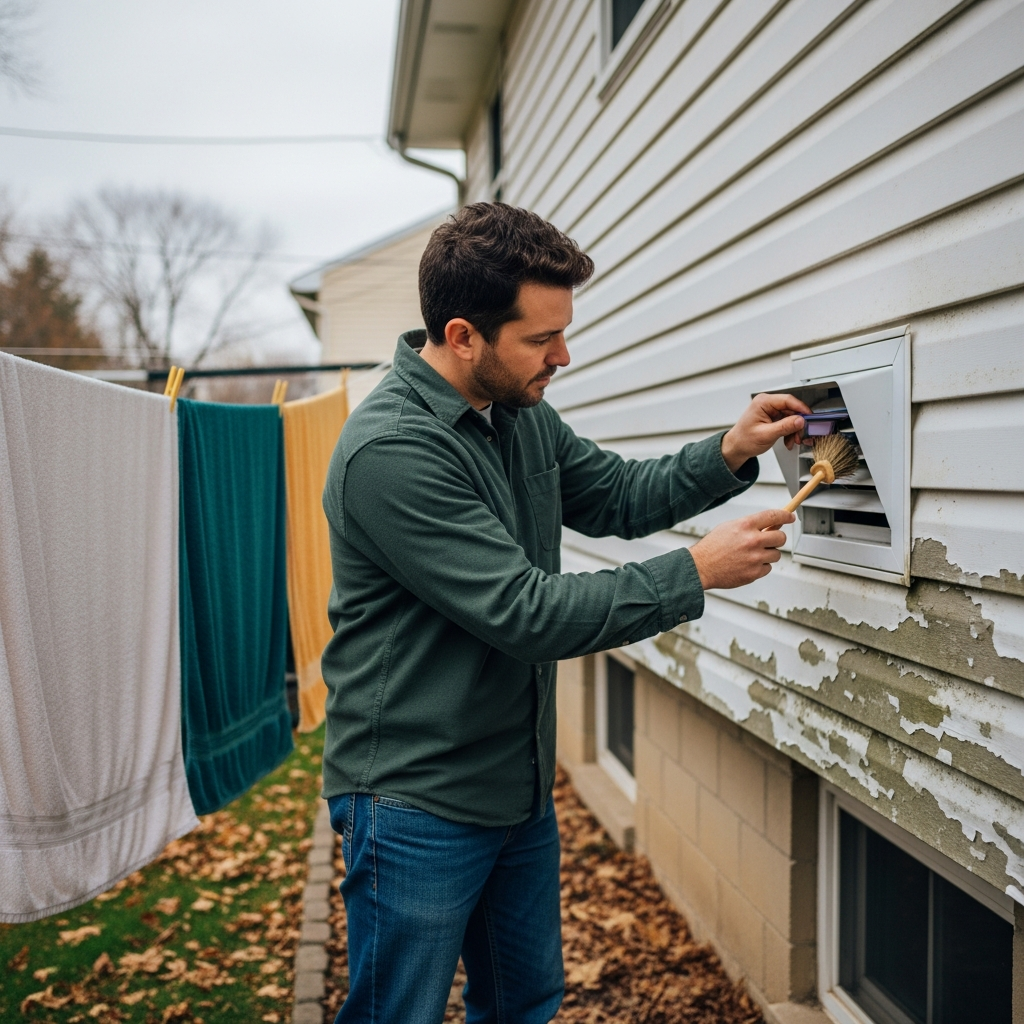
- During operation, step outside and watch the termination hood. The damper should open fully with a strong, steady stream of exhaust. Weak movement suggests a restriction.
- Listen for the dryer cycling heat on and off too quickly. Short cycles can indicate back-pressure building in the vent.
- Feel the cabinet sides. Excessive heat points to poor exhaust, especially if clothes remain damp after long cycles.
Inspect the Transition Duct
The short connector between the dryer and wall is a frequent trouble spot. If it is overly long, kinked, or made from thin foil or plastic, performance will suffer. Keep this section as straight and short as possible with a UL-listed material. Leave space behind the dryer so the connector does not crush when you slide the appliance back into place.
Look for Exterior Problems
- Stuck or damaged dampers: Replace louvers that no longer swing freely.
- Bird or rodent nesting: Remove debris and consider a cap with a backdraft damper designed for dryer exhaust (without fine mesh that traps lint).
- Vegetation and grade-level obstructions: Trim back plants and ensure mulch or snow do not block the hood.
Evaluate Vent Layout Challenges
Every elbow adds resistance. Long horizontal runs, attic routes, or shared chases increase the likelihood of lint pockets and condensation. If you cannot trace the full path easily, a professional will map it during service and measure back-pressure to confirm the extent of restriction. Complex layouts sometimes benefit from rerouting or, in specific cases, from a listed booster fan installed per manufacturer instructions with service access.
DIY Cleaning: What You Can Safely Do
- Use a vacuum with a crevice tool to clean behind and around the dryer.
- With the dryer unplugged (and gas off for gas units), disconnect the transition duct and gently vacuum accessible lint at the connection points.
- Run a home brush kit carefully through short, straight sections if your layout allows. Avoid aggressive force that could disconnect hidden joints.
- Reassemble with correct clamps and foil-backed tape at joints as recommended. Never use screws that protrude into the duct.
When to Call a Professional
- Dry times remain long after you clean the lint screen and transition.
- You see little to no movement at the exterior damper while the dryer runs.
- The vent route is long, includes multiple elbows, or exits through the roof.
- You suspect a partial disconnection within a wall or ceiling space.
- You notice water stains, a musty odor, or lint around interior vents, indicating leakage.
Mid-Cycle Fixes That Actually Help
If you are in the middle of laundry day and cannot stop to schedule service yet, a few sensible adjustments can reduce strain until a technician arrives. Run smaller loads of heavy fabrics so towels dry more evenly. Alternate light and heavy loads to moderate lint production. Verify that the transition duct is not crushed after you reposition the dryer. And if your home has not had a full vent cleaning within the last year, prioritize booking professional dryer vent cleaning to restore baseline airflow.
Troubleshooting by Symptom
Clothes are hot but damp: This often indicates moisture is not evacuating due to a partial blockage. The dryer generates heat, but saturated air lingers. Verify damper movement outside and check for kinks in the transition.
Cycles take over 60 minutes: Measure lint screen cleanliness and inspect the vent path. Consider a professional airflow reading to quantify restriction and confirm whether the vent length exceeds your model’s specification.
Burning or musty odor: Lint near a heat source can singe and smell dusty. Mustiness suggests trapped humidity. Stop the cycle, unplug the dryer, and inspect the transition and termination for obvious obstructions.
Frequent auto-dry errors or sensor misreads: Sensors depend on normal airflow to gauge moisture content accurately. Restoring vent performance often brings auto-dry features back into calibration.
Special Considerations for Somerville Homes
Somerville’s seasonal humidity can increase condensation inside long or uninsulated sections of venting. In winter, extremely cold exterior air can stiffen louvers or create frost at the termination. In spring, pollen adds to lint volume. Regular checks at the change of seasons help you stay ahead of restrictions created by weather and debris.
Post-Cleaning Verification Steps
- Confirm strong, steady airflow at the exterior hood with the dryer running on a timed heat cycle.
- Check that the damper opens fully and closes smoothly when the dryer stops.
- Inspect behind the dryer to ensure the transition duct remains round and uncrushed.
- Note cycle times for typical loads so you recognize future changes quickly.
Frequently Asked Questions
Q: How often should I clean my dryer vent? A: Many households benefit from annual service. Large families, homes with pets, and long or complex vent runs may need cleaning every six to nine months.
Q: Can I use a screen on the exterior vent to keep pests out? A: Avoid fine mesh screens. They trap lint rapidly. Choose a termination designed for dryers with a proper backdraft damper.
Q: Do energy-efficient dryers need less vent maintenance? A: Even high-efficiency models rely on clear exhaust paths. Efficient does not mean immune to lint accumulation.
Q: What is the safest transition duct? A: Use a UL-listed, semi-rigid or smooth-walled connector sized for your outlet, kept as short and straight as possible.
Q: Could a clogged vent damage my dryer? A: Yes. Restricted airflow increases heat stress on motors, elements, and thermal fuses, potentially shortening appliance life.
Get Pro Help When You Need It
If your troubleshooting points to restricted airflow, do not wait for a small problem to become a major hazard. Schedule local dryer vent cleaning and get back to faster, safer laundry days.
