Keeping your dryer vent clear is one of the simplest ways to protect your home, your appliance, and your energy usage. Yet many homeowners in Somerville do not realize how quickly lint can accumulate or how subtle the early warning signs can be. With varied housing styles—from historic homes with creative vent paths to modern townhouses with roof exits—local conditions make diligent maintenance especially important. If you have noticed longer cycles or a warmer-than-usual laundry room, you will benefit from a practical plan that combines smart daily habits with expert support. For comprehensive results that go beyond the lint screen, schedule professional dryer vent cleaning and use the tips below to keep your system performing at its best between visits.
Dryer vents are designed to move warm, moist air to the exterior quickly and safely. When the duct becomes lined with lint, airflow slows, heat builds, and drying times increase. Over time, this added strain can lead to premature wear on the dryer and, in the worst cases, conditions that elevate fire risk. The good news is that a handful of simple steps can make a big difference, especially when combined with periodic professional service.
Know your vent path
Start by learning where your dryer vents and how the duct travels to the outside. Is it a short run to a wall hood, or a vertical path to a roof cap? How many elbows are there? Where is the exterior termination located? Understanding the route helps you spot problem areas and communicate effectively with a technician when the time comes for a full cleaning.
In Somerville, it is common for second-floor laundry rooms to vent through the roof. These vertical runs may require special attention because lint can settle at elbows and at the cap. If your laundry is on the ground floor, your vent may exit through a wall; check that damper periodically to ensure it opens fully during a cycle.
Create a daily routine around the lint filter
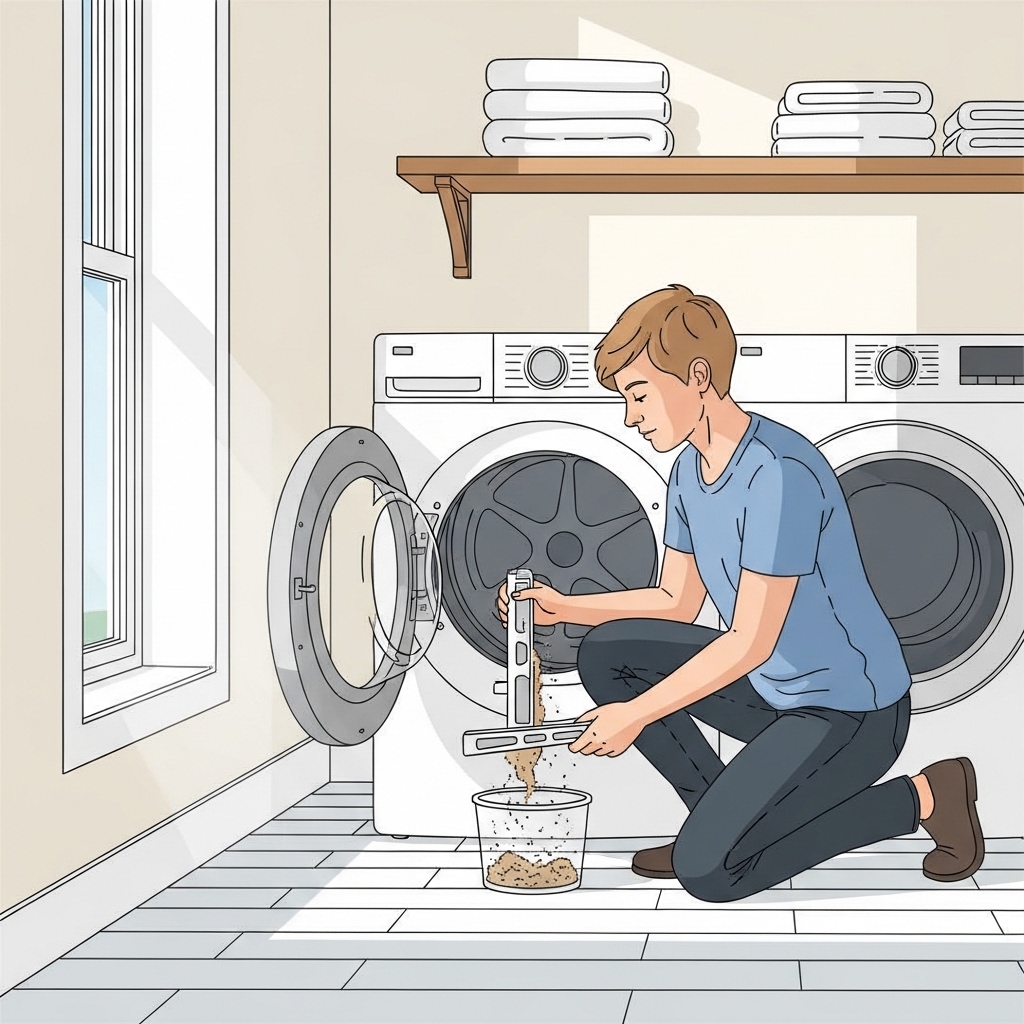
Clean the lint screen before or after every load. Run water over it occasionally to remove residue from dryer sheets or fabric softener, which can create a thin film that restricts airflow. If the lint screen appears unusually empty after a cycle, that can be a sign that lint is getting trapped deeper in the duct, not necessarily a reason to celebrate. Use that observation to decide whether to schedule service sooner.
Make it a habit to shake out heavy-lint items—like towels, blankets, and pet bedding—before drying. This simple step reduces the total material entering the vent and helps maintain airflow.
Keep the area around the dryer clear
Dryers need ventilation around the cabinet to operate safely. Avoid storing items directly behind or on top of the machine. When possible, leave enough space behind the dryer so the transition connection does not crush when the machine is pushed back into place. A crushed transition dramatically reduces airflow, even if the rest of the vent is clean.
If you notice rattling or vibration, check that the dryer is level. Excess movement can strain the transition connection and create kinks or gaps that interrupt exhaust flow.
Watch for early warning signs
There are several clues that it is time to address the vent. Longer drying times are the most common. Clothes coming out hot but still damp, a laundry room that feels unusually warm, and musty or burning odors during operation are also red flags. Weak airflow at the exterior vent or a damper that barely opens during a cycle indicates restriction. If any of these occur, schedule a professional inspection and cleaning promptly.
Appliance error codes related to airflow or temperature are another sign. Do not ignore them or assume the dryer is at fault; very often the underlying issue is restricted exhaust.
Why local climate matters
Somerville experiences humid summers and cold winters. Humidity can cause lint to clump and adhere more stubbornly to duct walls. Cold temperatures in unconditioned areas like attics and garages can increase condensation inside ducts, contributing to stickiness and buildup. Seasonal changes also affect exterior terminations: ice in winter or debris in summer can interfere with the damper. Periodic checks during the year help you catch these issues early.
When storms blow through, wind-driven debris can collect at exterior hoods and roof caps. After severe weather, take a moment to verify that the damper opens freely and that there is no visible obstruction.
Be careful with DIY cleaning tools
Consumer kits can be tempting but may not be suitable for longer or more complex vent paths. Brush segments can detach inside the duct, and aggressive use may push lint into elbows where it compacts and becomes harder to remove. If you choose to use a kit on a short, straight run, proceed gently and confirm strong exterior airflow afterward. If airflow remains weak or you suspect deeper blockage, do not keep pushing—schedule professional service to avoid creating a larger obstruction.
Roof terminations should be left to trained technicians who have the appropriate safety equipment and methods to clear the cap thoroughly and verify damper operation.
Make maintenance part of moving or renovation
When you move into a new home, schedule a baseline cleaning and inspection so you know the condition of the vent from day one. If you renovate the laundry area, ask the contractor to prioritize a vent path with minimal turns and the correct duct materials. Proper design at the start makes every future cleaning faster and more effective while supporting optimal dryer performance.
Any time you replace the dryer, have the vent cleaned and inspected. Putting a new appliance on a restricted duct undermines its performance and can lead to unnecessary wear.
Understand the transition connection
The short section between the dryer and the wall is called the transition. It should be the correct diameter and material, installed with proper fittings, and positioned to avoid crushing when the dryer is moved. Thin foil or plastic transitions can degrade or collapse, creating restrictions and safety concerns. A professional can recommend upgrades that improve airflow and durability.
After service, confirm that the dryer slides back into position without pinching the transition. If the space is tight, ask about solutions that maintain clearance while keeping the unit stable.
Track performance over time
Keep a simple log of cycle durations for typical loads. If drying times creep up, consider it an early signal to schedule service. Note any changes in laundry habits—like more frequent loads or heavier bedding—that could accelerate lint accumulation. Consistent observation helps you find the right maintenance interval for your home.
Also pay attention to odors. Mustiness can indicate moisture that is not being exhausted effectively, while any burning smell demands immediate attention and a pause in dryer use until the vent is inspected.
Midway reminder: professional help is within reach
When your laundry routine starts to slow, a thorough cleaning of the entire duct—from appliance to termination—can restore performance quickly and safely. To ensure the best results, book trusted professional dryer vent cleaning performed by a local team that understands Somerville’s common vent paths and seasonal challenges.
Frequently asked questions
Question: How often should I schedule service? Answer: Many households do well with annual cleaning. Larger families, homes with pets, and long or vertical vent runs may benefit from more frequent visits. Use your observed drying times and exterior airflow to adjust the interval.
Question: What if I have a stacked dryer? Answer: Professionals can work with stacked units and tight enclosures. Let the provider know in advance so they can plan for safe access and bring the appropriate tools.
Question: Is cleaning the lint trap enough? Answer: The lint trap captures a portion of fibers but not everything. Lint still travels into the duct, where it can accumulate over time. Routine professional service is necessary to keep the full run clear and safe.
Question: Can roof caps be cleaned safely? Answer: Yes, with proper safety measures and equipment. Trained technicians will access the roof, clear the cap, verify damper operation, and test airflow after reassembly.
Question: What should I do if I smell burning during a cycle? Answer: Stop using the dryer and schedule an inspection and cleaning immediately. That odor can indicate significant restriction and heat buildup.
Put these tips into action
Start today by cleaning the lint screen, checking the exterior vent while the dryer runs, and clearing space around the appliance. Make a quick note of typical cycle times so you have a baseline. If you notice warning signs—longer cycles, warm laundry rooms, weak exterior airflow—do not wait. Book professional dryer vent cleaning with a local Somerville specialist to keep your home safe and your laundry routine running smoothly.
