A structured dryer vent cleaning checklist helps Somerville, New Jersey homeowners protect their homes, improve laundry efficiency, and extend the life of their appliances. Whether your dryer sits in a basement, a hallway closet, or a second-floor laundry room, a clear, consistent plan prevents lint buildup, overheating, and frustratingly long cycles. This guide outlines practical steps you can take yourself, what to expect from a professional visit, and the milestones that keep maintenance on track year-round. As you put your plan together, include periodic professional dryer vent cleaning to validate airflow, remove stubborn buildup, and ensure the exterior termination cap operates freely.
Because Somerville homes vary—from older properties with retrofitted laundry spaces to newer townhouses with stacked units—the exact sequence of tasks may change slightly. However, the overall goal is the same: maintain a smooth, unobstructed path for moist, lint-laden air to exit the home. This checklist groups tasks by frequency, so you can build a repeatable routine that fits your household.
Every-load essentials
These quick actions take seconds but pay off daily in shorter cycles and safer operation:
- Clean the lint screen before or after every cycle.
- Inspect the lint screen for tears, and replace it if damaged.
- Confirm the dryer is not pushed so far back that it crushes the transition hose.
- Listen for changes in sound during operation that may indicate airflow restriction.
Monthly checks
Set a calendar reminder to complete these monthly items. They are simple, low-effort steps that support consistent performance:
- Vacuum around the lint trap opening and behind the dryer to remove stray lint.
- Look for kinks or sharp bends in the transition duct and correct them.
- While the dryer runs, check the exterior vent: the damper should open smoothly with a steady exhaust stream.
- Trim vegetation around the exterior cap and clear any lint accumulation.
Quarterly habits
Every few months, spend a little extra time on items that help keep the system reliable:
- Wash the lint screen with mild soap and water to remove fabric softener film.
- Confirm the vent path is supported properly along long horizontal runs.
- Review what you dry most often—heavy linens and pet bedding create more lint and may call for closer monitoring.
- Note any increase in cycle length and schedule service if you see a trend.
Annual professional service
Plan on a comprehensive cleaning that evaluates the entire route from the dryer to the exterior. In Somerville, seasonal shifts and varied housing layouts mean a yearly appointment is a reliable baseline. For large households or long, complex vents with several elbows, consider more frequent service. A thorough visit will include:
- Assessment and airflow testing to identify restrictions.
- Protection of floors and careful movement of the dryer to access the transition hose.
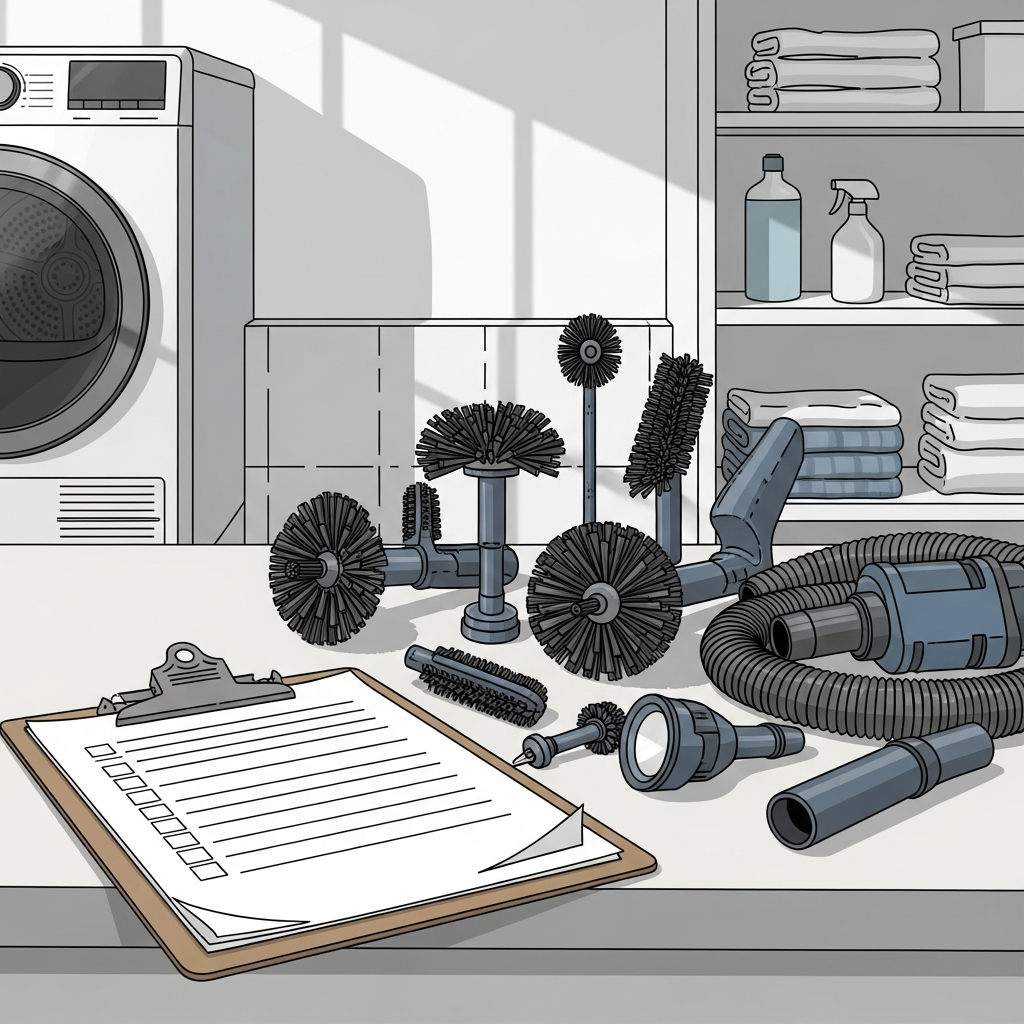
- Mechanical agitation using rotary brushes and flexible rods to remove stubborn lint.
- High-powered vacuum extraction to capture debris efficiently.
- Exterior hood cleaning so the damper opens and closes freely.
- Inspection and secure reconnection of the transition duct.
- Final verification with airflow checks and a brief test cycle.
In the middle of your yearly planning, it helps to remember that a locally focused dryer vent cleaning can account for older vent materials, unique basement routes, and stacked-unit constraints common in Somerville, ensuring a thorough and efficient appointment.
Pre-appointment preparation checklist
A few simple steps make professional service faster and smoother:
- Clear a path to the laundry area and move fragile items away from the workspace.
- Secure pets so doors can be propped open for equipment as needed.
- Note symptoms you have observed—long cycles, warm laundry rooms, or odors—so the technician can verify them.
- Locate the exterior termination point in advance, especially for multi-level homes.
Post-cleaning confirmation checklist
After service, use this list to confirm improvements and set the stage for consistent performance:
- Run a test cycle and verify that airflow at the exterior vent is strong and steady.
- Confirm that the dryer’s exterior feels cooler than before during operation.
- Check that the damper flap opens fully and closes properly when the dryer stops.
- Record the service date and set a reminder for the next appointment.
Special considerations for Somerville homes
Older properties may have longer or more complex vent routes due to retrofits. These can accumulate lint in elbows and require closer monitoring. Townhomes and multi-unit buildings often place laundry equipment in interior spaces, creating longer ducts with additional turns. Local weather also matters: winter temperature differences can create condensation inside metal ducts, while spring and summer introduce outdoor debris that can affect exterior caps. Aligning your checklist with these realities keeps your plan realistic and effective.
Safety-focused habits
Safety is central to every step in this checklist. Lint is highly flammable, and restricted airflow forces the dryer to run hotter for longer. Reinforce safe operation with these habits:
- Clean the lint screen before every load and never run the dryer without it.
- Do not overload the dryer; smaller, well-sorted loads dry more evenly.
- Avoid sharp bends in the transition hose that can pinch airflow.
- Keep combustible storage away from the dryer area.
Troubleshooting: when to escalate
If cycles suddenly take much longer, you notice a burning or musty odor, or the dryer stops mid-cycle, treat these as signs that the vent needs immediate attention. Likewise, if the exterior damper barely moves while the dryer runs, there is likely a significant restriction. Complex or roof-terminating vents are best handled by professionals who can safely navigate height and remove deep obstructions.
Frequently asked questions
Q: How often should Somerville homeowners follow this checklist? A: Use the every-load, monthly, and quarterly sections regularly, and schedule annual professional service as a baseline. Adjust frequency for large households or long vent runs.
Q: My dryer is new—do I still need vent cleaning? A: Yes. Proper venting is essential regardless of appliance age. Construction dust or installation issues can cause early restrictions.
Q: Will cleaning really shorten my drying time? A: Restoring airflow allows moisture to leave the drum faster, reducing cycle length and heat stress on fabrics and components.
Q: Can I clean a long, complex vent myself? A: DIY kits are best for short, simple runs. Long ducts with multiple elbows or roof exits require professional tools and experience.
Q: Why is the exterior damper so important? A: It must open fully during operation to release moist air. If it sticks or barely opens, airflow is restricted and cycles will lengthen.
Q: What should I expect immediately after a professional cleaning? A: Strong exterior airflow during a test cycle, cooler dryer surfaces, and noticeably shorter drying times.
Put your checklist into action
Staying on top of dryer vent care is simpler than it seems when you follow a clear plan. Combine everyday habits with periodic expert help, and your dryer will run efficiently, your laundry room will stay comfortable, and you will enjoy peace of mind season after season. When you are ready to verify airflow and clear stubborn buildup the right way, schedule your dryer vent cleaning and keep your Somerville home running safely and smoothly.
