Introduction: What Makes a Company Truly “Top” in Air Duct Repair
When you search for the top air duct repair companies in Somerville, New Jersey, you will quickly find that glossy photos and catchy slogans do not guarantee results. What does? A repeatable process, clear communication, technical excellence, and documented performance gains. This guide explains the standards that consistently separate standout firms from the rest—and how to use those standards to choose a team you will trust in your attic, basement, or crawl space. If you are starting your shortlist, begin by reviewing reputable local resources on air duct repair so you can recognize robust methods and sensible scopes of work when you see them.
We will not rank or endorse specific companies. Instead, you will learn a framework to judge any provider on their merits, using your home’s real needs as the benchmark. With this lens, you will be able to sift through marketing claims and focus on what matters: airflow, sealing, insulation, access, and verification.
The Core Standards of a Top-Tier Provider
Great companies do the basics exceptionally well. They measure, they explain, they execute, and they prove it. Look for these pillars:
- Holistic diagnostics: A top team tests airflow and pressures, inspects returns and supplies, checks boots, dampers, and transitions, and listens to your comfort story.
- Detailed scopes: Proposals outline materials, methods, and locations—mastic here, foil tape there, register or boot adjustments where needed.
- Clean, durable workmanship: Seams are sealed to last, supports are corrected, and insulation is restored. Work areas are protected and left tidy.
- Verification: Before-and-after readings, photos, and a walkthrough to confirm improvements at critical rooms and registers.
- Education: You receive maintenance guidance so the gains last, including filter best practices and seasonal tips.
How Leading Companies Manage the Process
From first contact through follow-up, process discipline drives consistency. The best firms assign clear roles: scheduler sets expectations and confirms access, technician leads diagnostics and repairs, and project lead closes the loop with documentation and post-visit support. This structure shows up in punctual arrivals, organized tools, and a calm, methodical workflow—especially valuable in tight attics and finished basements.
Somerville Housing Nuances
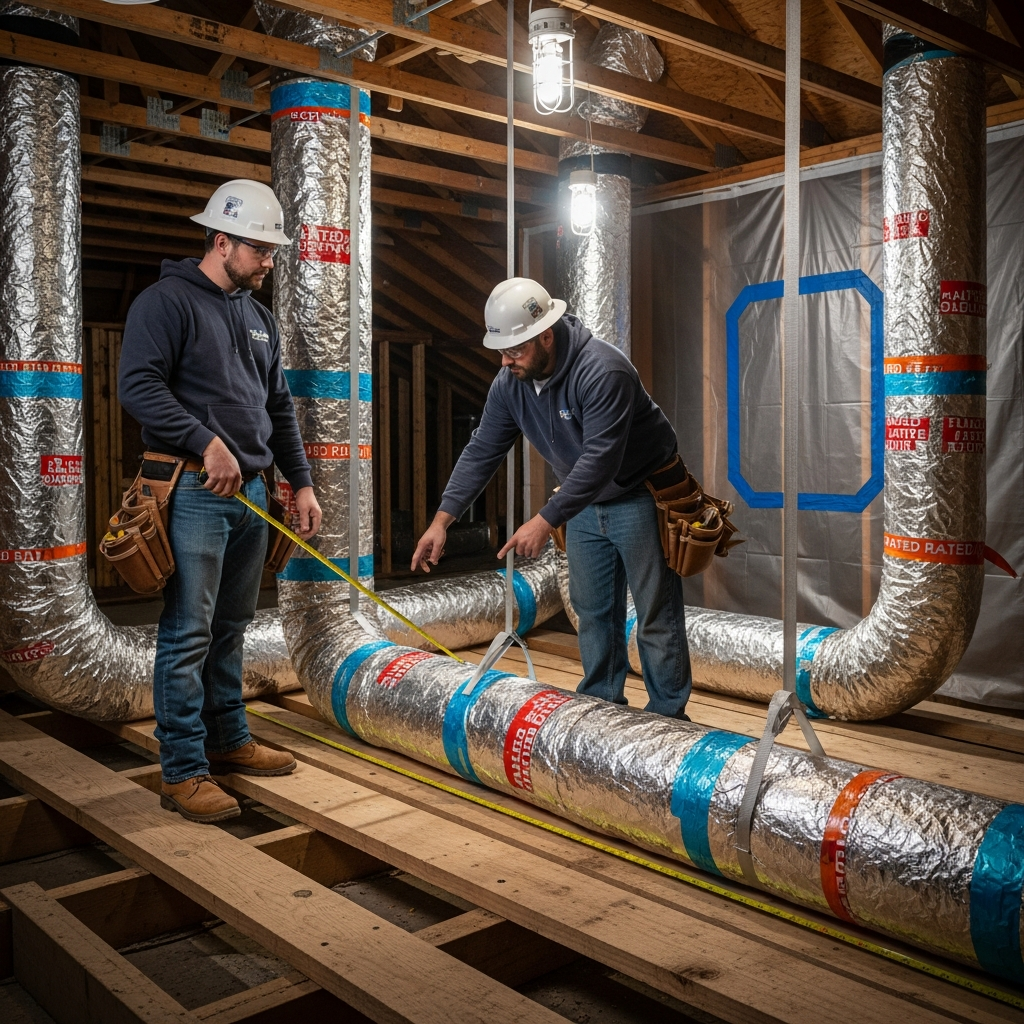
Local housing ranges from historic homes with intricate retrofits to newer builds with flexible duct runs. Each setup carries typical weak points. Retrofitted metal trunks may have leaky seams and tricky boot transitions; long flex branches can be kinked or under-supported. Top providers understand these patterns and arrive prepared: proper hangers, mastics, UL 181-rated tapes, and strategies for safe access in attics or crawl spaces common to the area.
What a Strong Scope of Work Includes
If you are comparing proposals, hold them to this standard. A high-quality scope will describe:
- Inspection and surface preparation steps for all accessible returns, trunks, and branches.
- Sealing methods and materials matched to duct type and location.
- Boot-to-drywall or boot-to-floor sealing to stop dust entrainment around registers.
- Corrections to flex routing and supports to restore airflow and reduce noise.
- Insulation repair or replacement where damaged or missing.
- Verification steps: airflow readings and pressure checks after work is complete.
Documentation That Signals Excellence
Top companies turn invisible improvements into visible proof. Expect labeled photos of typical problem points and corrections, measurement logs, and a room-by-room summary of observations. This packet is your record for future maintenance and any equipment changes down the road.
Red Flags That Suggest You Should Keep Looking
- Vague plans that avoid specifying which joints, boots, and transitions will be addressed.
- Reluctance to take or share measurements, or to show before-and-after differences.
- Overuse of generic tapes or patchy, inconsistent sealing work.
- Dismissive answers to your questions about comfort complaints or seasonal differences.
How to Interview Shortlisted Companies
Use targeted questions to reveal depth of knowledge and fit for your project. Consider the following prompts:
- “What measurements will you take before and after repairs to verify improvements?”
- “How will you seal boot connections to stop dust from entering around registers?”
- “What steps will you take to protect surfaces while working in my attic or finished basement?”
- “Can you walk me through a recent project similar to my home’s age and layout, and what the key improvements were?”
Why Verification Matters So Much
Air moves along the path of least resistance. If you seal one section but leave a major return leak, performance may disappoint. Verification ensures that the entire system—return and supply—works together. Great companies measure total airflow, check register readings at distant rooms, and confirm healthy pressure relationships. Without this step, it is too easy to assume success and miss lingering issues.
Balancing Ideal Solutions With Practical Constraints
Every home has quirks. The best firms are honest about what can be done today and what requires staging or a future visit. They prioritize high-impact corrections—such as return leaks and trunk seams—before tackling hard-to-access branches. This realism protects your time and ensures you see noticeable gains after each phase.
How Top Companies Communicate During the Job
Expect a mid-project update that explains what has been found and how the plan has been adjusted (if necessary). Good communication includes photos from attics or crawl spaces so you can see progress in areas you rarely visit. This transparency builds trust and lets you make informed decisions if an unexpected condition appears.
What Homeowners Can Do to Help
Your role is simple but impactful: provide clear access to mechanical areas, attic hatches, and key registers; move stored items away from trunks and returns; and note which rooms are most problematic. Sharing seasonal observations—summer stickiness, winter drafts—guides balancing and verification, especially in a climate with the swings experienced in Somerville.
When to Consider Complementary Upgrades
As sealing and routing corrections take effect, some homes benefit from complementary steps: modest return enlargements, transfer grilles to relieve pressure in frequently closed rooms, or register changes to adjust throw and spread. A top company will explain the logic behind each suggestion and the measurements they will use to confirm the change worked.
Mid-Article Resource for Your Shortlist
If you want a quick way to ground your expectations while you interview candidates, review local guides that explain durable methods and verification. Reliable information on air duct repair can sharpen your questions and ensure that every provider you meet is held to a high standard for diagnostics, workmanship, and results.
Frequently Asked Questions
How do top companies approach diagnostics? They combine your comfort history with airflow and pressure measurements, plus a detailed visual survey of returns, supplies, boots, and transitions.
What signals high-quality workmanship? Clean surfaces before sealing, continuous mastic at seams, correctly supported flex, and neat boot connections that stop dust entrainment.
Why are before-and-after measurements essential? They prove that sealing and corrections improved distribution, helping you see and feel the difference and guiding any final balancing steps.
What if ducts are hidden behind walls? Top firms focus on accessible areas first, use internal sealing where appropriate, and discuss strategic openings only when diagnostics show a clear benefit.
How long should a comprehensive repair take? Timelines vary with accessibility and scope. The key is maintaining process discipline from setup to verification, not rushing critical steps.
Will sealing help with dust and odors? Yes—particularly on the return side. Tightening returns reduces the entry of dusty or musty air from attics, basements, or crawl spaces.
What preparation should I do before technicians arrive? Clear access to key areas and note your top comfort concerns by room and season. This preparation speeds diagnostics and fine-tuning.
How do I know a company will be responsive after the job? Look for documented follow-up policies, seasonal check-ins if needed, and a clear point of contact for questions that arise later.
Move Forward With Confidence
Choosing among the top air duct repair companies in Somerville is simpler when you focus on measurable standards: diagnostics, scope clarity, durable methods, and verification. Invite candidates to explain their approach, ask for documentation, and make sure they address both return and supply paths. When you are ready to refine your shortlist and see what robust methods look like in practice, review professional air duct repair guidance and schedule a thorough assessment. With the right partner, you will enjoy steadier comfort, cleaner air, and a system that performs reliably through every season.
