
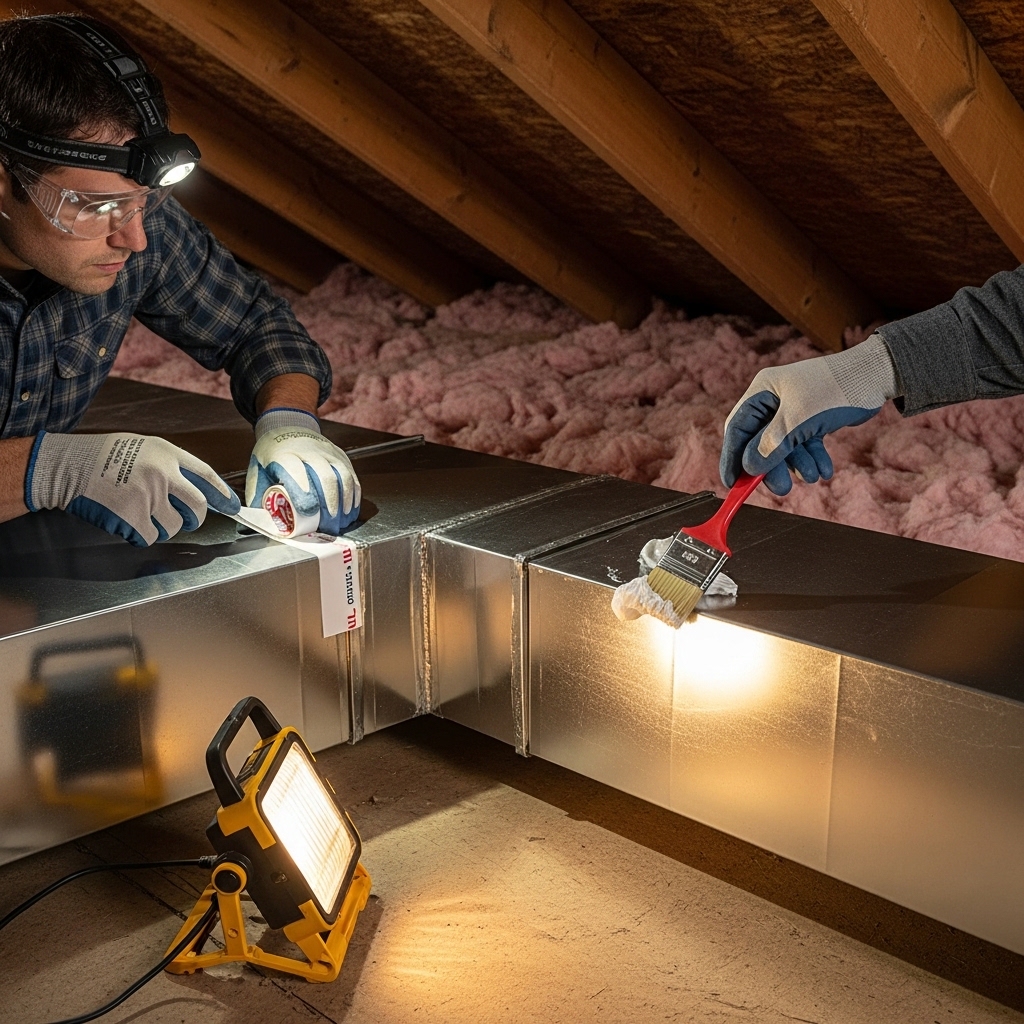
Understanding DIY Air Duct Repair in Somerville, New Jersey
Air ducts are the circulatory system of your home’s heating and cooling, quietly moving conditioned air through concealed spaces to each room. When there are leaks, loose connections, or damaged sections, your comfort suffers, energy use climbs, and indoor air quality can decline. If you live in Somerville, New Jersey, seasonal temperature swings and humidity can compound those problems by stressing seals, joints, and insulation. Some issues are well within a homeowner’s ability to fix with careful attention and safe methods. For larger repairs or when you are unsure, consider professional air duct repair so the system is restored efficiently and safely.
This guide explains how your duct system works, the tools and materials you need, the steps to inspect and repair common problems, and the limits of DIY. You will learn how to spot leaks, seal joints with the right products, reattach disconnected sections, reinforce supports, add insulation where it is missing, and test your work so you can feel confident in the results. While the process takes patience, the payoff is better airflow, fewer drafts, and cleaner air.
Safety First: Before You Start
Working around ducts often means entering attics, crawl spaces, basements, or utility rooms with limited lighting and uneven footing. Plan ahead to minimize risks. Always switch the HVAC system off at the thermostat, and for extra safety, cut power to the air handler at the breaker panel. Wear gloves to protect your hands from sharp sheet metal edges, and use eye protection when handling fiberglass insulation. If you suspect asbestos on old duct wrap or in surrounding materials, do not disturb it—this is a stop-work moment that calls for licensed remediation.
Ventilation matters. If you work in a tight space, bring a portable work light and ensure there is enough fresh air. Keep a charged phone nearby, and let someone in your household know where you will be working. Stable ladders and crawl boards reduce the risk of falls and slips. Finally, keep children and pets away from the work area until you finish and clean up.
Know Your Duct Types and Components
Most homes have a combination of sheet metal trunk lines, flexible branch ducts (often called “flex duct”), and sometimes duct board plenums. Each material has different strengths and repair approaches. Sheet metal is durable and easy to reseal with mastic. Flex duct insulates well but can be crimped, torn, or misrouted. Duct board is lightweight, quiet, and energy efficient, yet it can be damaged by moisture and requires careful sealing at seams.
Become familiar with these components before you begin:
- Supply ducts deliver conditioned air to rooms; return ducts bring air back to the air handler.
- Plenums connect the air handler to the trunk lines and distribute airflow to branch runs.
- Joints and takeoffs are where leaks frequently occur, especially if the installer used ordinary cloth “duct tape” instead of UL-181-rated foil tape or mastic.
- Supports and hangers keep ducts from sagging; when they fail, air restriction and separations can occur.
- Balancing dampers, when present, control flow to different branches and must remain accessible.
Tools and Materials You Will Need
Gather everything before you enter the attic or crawl space. The right materials improve safety and durability.
- Flashlight or headlamp, and a portable work light
- Leather or cut-resistant gloves and safety glasses
- Measuring tape and marker for labeling
- UL-181-rated foil tape for duct systems
- Water-based duct mastic and a disposable brush or gloved hand for application
- Metal screws (sheet-metal, self-tapping) and a driver/drill
- Tin snips for light sheet metal trimming
- Foil-faced insulation or duct wrap, and approved fastening system
- Zip ties or approved straps for flex duct supports
- Smoke pencil or incense stick for leak detection during testing
- Drop cloths, rags, and a small vacuum for cleanup
Step-by-Step Inspection of Your Ducts
A careful inspection helps you identify the root cause of poor airflow, rooms that run hot or cold, and unusual odors or dust. Work methodically from the air handler outward.
- Turn off HVAC power. Remove or open access panels to the supply and return plenums if possible.
- Check the filter. A clogged filter strains the system and can mimic duct problems. Replace it if dirty.
- Inspect plenums. Look for loose connections, gaps, or old cloth tape peeling away. Note any condensation marks that might signal air leakage or insulation issues.
- Follow the trunk lines. Use your light to trace major ducts and mark any suspected leaks where dust streaks, black marks, or whistling sounds appear.
- Examine branch takeoffs. These small connections to rooms are frequent leak points. Wiggle them gently; a loose fitting needs resealing and possibly new screws.
- Evaluate flex duct runs. Look for crushed sections, sharp bends, torn outer jackets, or missing supports that create sags. Flex duct should be stretched slightly, not compressed.
- Check returns. Return leaks can draw attic or basement air into the system, creating dust and odors. Ensure return boxes are sealed to the surrounding structure and that access grilles fit tightly.
- Assess insulation. In unconditioned spaces, exposed metal ducts need insulation to reduce heat gain or loss and prevent condensation.
- Document your findings. Take notes or photos; a simple map of problem areas will guide your repair sequence.
Sealing Small Leaks and Gaps
Air leakage wastes energy and undermines comfort. Durable sealing comes from the right products and technique. Avoid cloth duct tape for permanent repairs; it dries out and fails. Instead, use UL-181-rated foil tape on clean surfaces and water-based mastic for joints.
Clean the area with a dry cloth. Apply mastic generously to seams, screw heads, and takeoff collars, pushing it into gaps with a brush or gloved fingers. The mastic should be continuous with no pinholes. If a gap exceeds about a quarter inch, bridge it with fiberglass mesh tape embedded in mastic, then topcoat. For foil tape, peel back the liner slowly and press the tape as you go, rubbing firmly to create full contact. Overlap tape ends by an inch and avoid wrinkles that can lift later.
Repairing Disconnected or Loose Sections
When a branch duct disconnects from a takeoff or plenum, the room served by that branch will suffer, and conditioned air may blow into an attic or crawl space. To reattach sheet metal components, line up the pieces, add sheet-metal screws at intervals for a secure mechanical connection, and then seal the joint with mastic. For flex duct reconnection, slide the inner core over the takeoff collar until it seats against the stop bead, secure it with a metal clamp or draw band, tape the joint with UL-181-rated foil tape, and then pull the insulation and outer jacket over the collar and tape or clamp those layers as well.
Fixing Damaged Flex Duct
Flex duct can be punctured by pests, crushed by storage, or kinked around tight corners. Small tears in the outer jacket can be patched with foil tape, but if the inner core is damaged, cut out the compromised section and use a rigid metal coupling designed for flex duct to splice in a new piece. Ensure the duct is properly supported every 4 to 6 feet with wide straps that cradle the duct without compressing it. Maintain gentle bends—no sharp turns—and minimize long unsupported spans to prevent future sags.
Insulating Exposed Ducts
Uninsulated or poorly insulated ducts in unconditioned spaces lose heat in winter and gain heat in summer. Wrap exposed metal ducts with foil-faced insulation designed for HVAC applications. Seal seams with foil tape and secure the wrap per manufacturer instructions. Do not compress insulation; compressed insulation loses effectiveness. For flex ducts, verify that the built-in insulation is intact and that the vapor barrier is continuous and sealed at connections to prevent condensation.
Balancing Airflow and Testing Your Work
After sealing and reconnecting ducts, test for leaks and verify airflow. Turn the system back on and use a smoke pencil or an incense stick around your sealed joints. If smoke is drawn into a gap or blown sideways by escaping air, there is a leak to address. Walk room by room, checking that registers deliver steady airflow and that returns are not excessively noisy, which could indicate restrictions or new leaks.
Adjust balancing dampers if present. Small changes can redistribute air more evenly, improving comfort. Keep a log of damper positions so you can return to a baseline if needed. Replace all access panels, ensure filter compartments are tight, and tidy the work area so dust does not reenter the system.
Common Mistakes to Avoid
- Using the wrong tape. Ordinary cloth duct tape is not appropriate for permanent duct sealing.
- Skipping mechanical fasteners. Relying solely on tape at flex connections can lead to failures.
- Over-compressing flex duct. Tight straps or sharp bends reduce airflow and efficiency.
- Covering up access points. Do not bury dampers, electrical components, or inspection panels under insulation.
- Neglecting returns. Leaky returns pull in dust, fiberglass, or attic air, undermining indoor air quality.
- Ignoring signs of moisture. Condensation or rust may signal insulation or air-sealing problems that need attention.
When to Pause DIY and Call a Professional
DIY is perfect for tightening loose connections, sealing small leaks, and correcting obvious flex duct issues. However, if you encounter mold, suspected asbestos, significant rust-through, structural damage, or confusing duct layouts that defy logic, pause and consult a specialist. Large trunk line modifications, relocating plenums, or diagnosing complex airflow and pressure problems benefit from professional testing equipment and experience. When your home has persistent hot and cold rooms after basic repairs, consider a comprehensive evaluation from Somerville experts in air duct repair services who can measure static pressure, identify hidden leaks, and recommend right-sized solutions.
Post-Repair Maintenance Tips
- Replace filters on schedule. A clean filter protects your blower and keeps ducts cleaner.
- Keep supply and return registers clear. Avoid drapes and large furniture that block airflow.
- Reinspect seasonal stress points. After summer heat or winter cold, recheck your attic and crawl space joints.
- Maintain humidity. Proper indoor humidity reduces duct sweating and preserves sealants.
- Protect ducts from storage impacts. In attics or basements, keep boxes and bins away from flex duct runs.
- Document your work. Photos and notes help you or a professional understand the system later.
Somerville-Specific Considerations
Homes in Somerville vary from historic houses with complex chases to newer builds with modern, insulated ductwork. Older homes may hide returns in wall cavities or have unconventional transitions that require creativity to seal safely. Seasonal temperature swings mean materials expand and contract; use flexible mastic and proper mechanical fastening to maintain seals through those cycles. Basements can be damp in spring, so monitor for condensation and maintain insulation integrity. In attic spaces, ensure that radiant heat does not degrade tapes or softens adhesives; adhere to manufacturer temperature ratings.
Accessibility is another factor. Tight crawl spaces call for compact tools and good lighting. If access is limited or unsafe, a professional may be the efficient route. For homeowners planning renovations, coordinate duct repairs with other projects to reduce repeat trips into hot attics or confined areas, and to ensure any new framing does not compress or block ducts.
FAQs
Q: Can I use spray foam to seal ducts? A: Spray foam can be useful around duct penetrations through walls or floors, but for metal-to-metal duct seams and takeoffs, mastic and UL-181 foil tape are the industry standards. Avoid blocking access panels or moving parts.
Q: How do I know if my ducts are leaking? A: Signs include rooms that never reach the set temperature, visible dust streaks at joints, whistling sounds, musty odors when the system runs, and high energy use compared to previous seasons. A smoke pencil test around seams is an easy confirmation.
Q: What if I find mold or a strong musty smell? A: Stop DIY repairs and focus on identifying moisture sources. Leaks, poor insulation, or high humidity may be to blame. Consider a professional inspection to address both contamination and the underlying cause.
Q: Is mastic messy or hard to remove? A: Water-based mastics are sticky but forgiving. Use gloves, protect surfaces with drop cloths, and clean tools before the mastic dries. Once cured, it is durable and difficult to remove, which is why it holds well.
Q: Will sealing ducts change the sound of my system? A: Often, sealing reduces whistling and rattling. If you notice new noises, check for loose panels, over-tightened straps, or dampers that shifted during work.
Q: How often should I reinspect ducts? A: A seasonal check—once in spring and once in fall—helps catch small issues early. Also inspect after any major renovation or service event.
Schedule Your Repair Today
If your inspection reveals more complexity than you want to tackle, or you simply prefer a swift, verified fix, book trusted local air duct repair and enjoy better comfort, cleaner air, and peace of mind. Whether you need precision sealing, reconnection of hidden branches, or a full system assessment, timely action will help your HVAC perform at its best through every Somerville season.
