
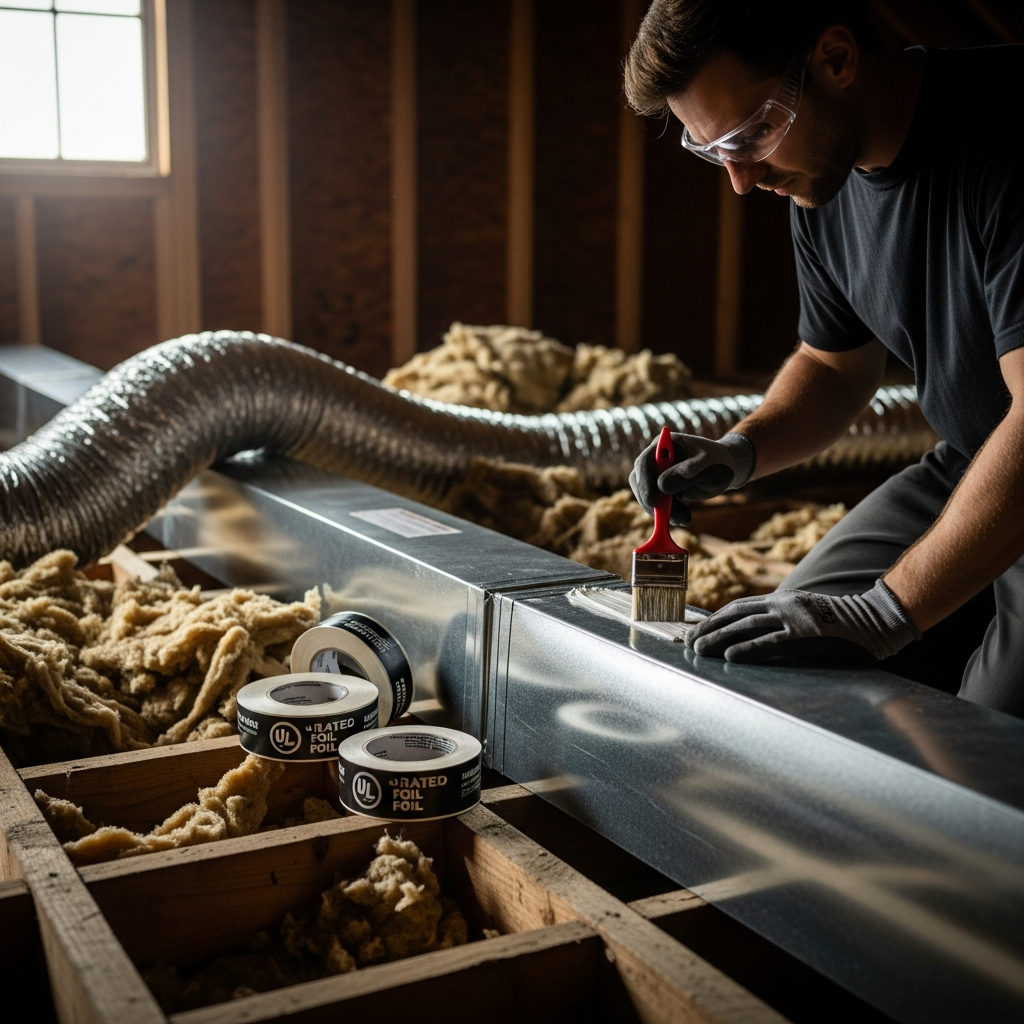
When your home in Somerville, New Jersey starts feeling drafty, dusty, or inconsistent from room to room, there is a good chance your ductwork needs attention. A well-planned, careful approach to air duct repair can restore comfort, improve indoor air quality, and help your HVAC system breathe easier. This step-by-step guide is written with local homes in mind—from older colonials with tight chases and plaster walls to newer builds with accessible basements and attics—so you can move with confidence, safety, and efficiency.
Before you start, remember that ductwork is part of a larger system. You are not just sealing metal; you are protecting indoor air quality, temperature balance, and the longevity of your furnace, heat pump, or AC. The key is to methodically inspect, repair, and verify your work, so each fix truly contributes to better airflow and fewer leaks.
Somerville’s seasonal swings—from humid summers to brisk winters—put ducts through constant expansion and contraction. Over time, joints can loosen, insulation can slump, and flexible connectors can puncture. With a little preparation and patience, you can address these issues and make a lasting difference.
Understand Your Duct System
Residential ducts typically include a supply trunk delivering conditioned air to rooms and a return trunk drawing air back to the HVAC unit. Branch lines distribute air from the trunk to each register. You may encounter sheet metal ducts (rigid and durable), flexible ducts (insulated, bendable, and common in attics), and occasionally duct board (fiberglass panels formed into ducts). Each material repairs differently, but the principles—clean, seal, support, and insulate—apply to all.
Start by locating key components: the air handler or furnace, main supply and return trunks, takeoffs to branch runs, dampers (if present), and terminal registers. Note any areas where ducts pass through hot attics, chilly basements, or tight wall cavities, as temperature extremes and restricted access often create weaknesses and leaks.
Safety First and Tools You’ll Need
Always power down your HVAC system at the thermostat and breaker before opening access panels or handling ducts. Wear cut-resistant gloves, safety glasses, and a dust mask or respirator when working around fiberglass insulation or dusty returns. Consider knee pads and a headlamp for attics, crawl spaces, and basements.
- Tools: screwdriver set, nut drivers, utility knife, tin snips (for sheet metal), metal straightedge, measuring tape, and a flashlight.
- Materials: mastic sealant rated for ducts, UL 181 metal-foil tape (not cloth duct tape), sheet metal screws, hanger straps for support, insulation sleeves or batts with appropriate R-value, and a brush or putty knife for mastic application.
- Optional: smoke pencil or incense stick for leak detection, manometer or static pressure kit for advanced testing, and a camera phone for before-and-after documentation.
Map Out the Problems
Begin with a visual survey. Look for separated joints, gaps around takeoffs, loose or missing tape, ripped flexible ducts, crushed runs, and missing or deteriorated insulation. Use a marker to circle suspect areas so you can return to them in a methodical order. Check that flexible ducts have smooth, supported runs with wide-radius bends rather than tight kinks. Verify that each run is securely attached to its collar and that the inner liner of flex duct is clamped or screwed beneath the outer insulation layer.
If your HVAC happens to be running for a moment during diagnosis, feel for air movement at joints, seams, and boots. Otherwise, use a smoke pencil to see where air draws in or blows out when the system is operating. This quick test can confirm what your eyes already suspect.
Step-by-Step Repair: Sheet Metal Ducts
- Clean the surface: Wipe dust and oils from seams and joints so mastic and foil tape will adhere properly.
- Re-align and secure: Gently bring separated seams together. Use sheet metal screws spaced evenly to hold the connection tight.
- Seal with mastic: Apply a generous, continuous layer over all seams, screws, and takeoff joints. Use a brush or putty knife to cover gaps thoroughly.
- Reinforce with foil tape: While mastic is still workable, apply UL 181 foil tape, smoothing it firmly to eliminate wrinkles that could later become air paths.
- Address access panels: Reseal any furnace or air handler access doors with appropriate gaskets or foil tape if they leak.
- Seal around boots: At floor or ceiling registers, seal the boot-to-drywall gap from below if accessible. This reduces dust infiltration and conditions the room, not the wall cavity.
Step-by-Step Repair: Flexible Ducts
- Inspect the inner liner: If torn, cut away the damaged portion cleanly. If the tear is near a collar, remove the duct from the collar, trim back to solid material, and reattach.
- Reattach to collar: Slide the inner liner over the metal collar. Secure with a clamp or zip tie and, ideally, a few short screws through the collar lip into the liner support wire (avoid puncturing the airflow path).
- Mastic first, tape second: Brush mastic around the joint, then wrap with UL 181 foil tape. Press firmly all around to seal.
- Restore insulation: Pull the duct’s insulation and outer jacket back over the collar connection. Tape and clamp the jacket to complete the vapor barrier.
- Fix punctures: For small holes, apply mastic and foil tape patches. For large damage, splice in a sound section using rigid couplers designed for flex duct.
- Straighten and support: Use wide straps to support flex duct every 4 feet or as local codes recommend, maintaining gentle curves to reduce static pressure and turbulence.
At this point, many Somerville homes benefit from stabilizing airflow with damper checks, plenum sealing, and strategic insulation improvements. If you discover hidden issues like collapsed trunk lines, heavy internal contamination, or signs of backdrafting from combustion appliances, it may be time to consider professional-grade air duct repair services to ensure safety testing and system balancing are handled correctly.
Insulation and Thermal Considerations
Uninsulated or under-insulated runs in attics and unconditioned basements waste energy and cause temperature swings. After sealing, add or restore insulation to the recommended R-value for our climate. Ensure there are no compressed or open seams. For metal ducts, use insulation batts or wraps secured with mechanical fasteners and vapor-sealed with foil tape. For flex ducts, confirm the factory insulation is intact and continuous at each connection point.
Balance and Test the System
Once repairs and insulation are complete, restore power and run the HVAC fan. Check each register for airflow. Listen for whistling at joints that might indicate a missed leak. For homeowners with adjustable dampers, begin with a neutral setting and fine-tune room by room to achieve even comfort. If you have a manometer, measure static pressure before and after repairs; healthier numbers fall within the equipment’s specified range and indicate reduced restriction and leakage.
Common Mistakes to Avoid
- Using cloth “duct” tape: It dries out and fails. Always choose UL 181 foil tape and mastic.
- Ignoring the inner liner on flex ducts: Taping only the outer jacket leaves a hidden leak at the liner-to-collar joint.
- Over-tightening straps: Crushing flex ducts creates a major airflow bottleneck.
- Skipping boot-to-drywall sealing: This small gap can pull dusty air from wall cavities and reduce delivery to the room.
- Neglecting return ducts: Leaky returns draw contaminants and unconditioned air into the system, increasing dust and decreasing efficiency.
Seasonal Tips for Somerville Homes
After winter, check for condensation issues or ice damage in attics. In late summer, verify that insulation remains dry and intact. Pollen and leaf particles can accumulate around exterior intakes; ensure screens and filters are clean and secure. When you switch between heating and cooling, pay attention to any new rattles, whistles, or hot/cold pockets—these may pinpoint a developing leak.
When to Call a Professional
While many repairs are accessible, certain issues require licensed expertise. If you smell combustion byproducts, suspect mold, find widespread duct board damage, encounter asbestos-containing insulation, or notice extreme static pressure readings, defer to a qualified technician. Professionals can perform smoke testing, blower door diagnostics, advanced balancing, and code-compliant modifications that ensure safety and performance.
Maintenance Routine After Repair
Set a reminder to recheck key joints and supports every season. Replace HVAC filters on schedule to keep dust from accumulating in returns and on coil surfaces. Keep supply registers and returns free of furniture obstructions. If you renovate or add rooms, revisit duct sizing and balancing to match your new layout.
FAQ
Q: How do I know if my ducts are leaking? A: Common signs include uneven room temperatures, excessive dust, whistling near joints, and higher-than-expected energy usage. A smoke pencil or incense stick can help you see leaks when the blower is on.
Q: Is mastic better than foil tape? A: Both are valuable. Mastic fills gaps and irregularities, while UL 181 foil tape provides a strong, long-lasting bond. Using both together yields the most durable seal.
Q: Can I repair duct board the same way as metal? A: Duct board needs specially rated closure systems and careful handling to avoid fiber shedding. If damage is extensive, panel replacement by a professional is often best.
Q: What R-value should attic ducts have in Somerville? A: Many attics benefit from higher R-values to manage winter heat loss and summer heat gain. Choose insulation that meets or exceeds regional recommendations and ensure seams are sealed.
Q: How often should I inspect my ducts? A: Give them a quick seasonal check and a deeper inspection annually, especially after major weather shifts or renovations.
Q: Why are some rooms still weak after repairs? A: The issue may be duct sizing, layout, closed or stuck dampers, or restrictions at the coil or filter. Balancing and, in some cases, design adjustments may be needed.
Q: Should I seal ducts inside walls? A: If you cannot access concealed ducts, focus on accessible trunks and branches, boot-to-drywall gaps, and returns. Professionals can advise on options for concealed leaks.
Bring Comfort Back to Your Somerville Home
If you are ready to stabilize temperatures, reduce dust, and protect your HVAC equipment, take a methodical approach to repair and validation. For complex layouts, limited access, or persistent issues, schedule expert help to ensure safe testing and durable results. When you want proven workmanship backed by local experience, reach out for trusted air duct repair that makes your home feel right again—season after season.
