Introduction: Choosing the Right Air Duct Repair Contractor
Finding the right contractor in Somerville, New Jersey, can feel like a maze of options and promises. Yet the choice matters because a careful repair does more than stop leaks—it restores steady airflow, supports indoor air quality, and protects the rest of your HVAC system. Start with clarity on what skills, tools, and standards you should expect. If you are beginning your search, reviewing a specialist in air duct repair contractors can help you understand typical approaches, the verification steps used, and how to compare proposals with confidence.
This guide walks you through criteria to evaluate, questions to ask, and red flags to avoid so you can select a partner who will deliver reliable, long-lasting results.
Understand What Proper Air Duct Repair Involves
Skilled contractors address both the symptoms and the sources of duct problems. They repair physical damage, reinforce weak points, and seal joints and seams with materials that stand up to vibration and temperature swings. They also verify their work with measurements that demonstrate improved airflow and reduced leakage. When done right, these steps transform day-to-day comfort without disrupting your home.
Key Criteria for Contractor Selection
- Clear process: Look for a step-by-step plan that begins with assessment and ends with verification.
- Materials matter: Expect mastic sealant, UL-listed foil or mastic tape, fiberglass mesh for larger gaps, and proper supports for flex runs.
- Return and supply attention: Sealing only the supply side leaves return leaks unaddressed; both sides should be evaluated.
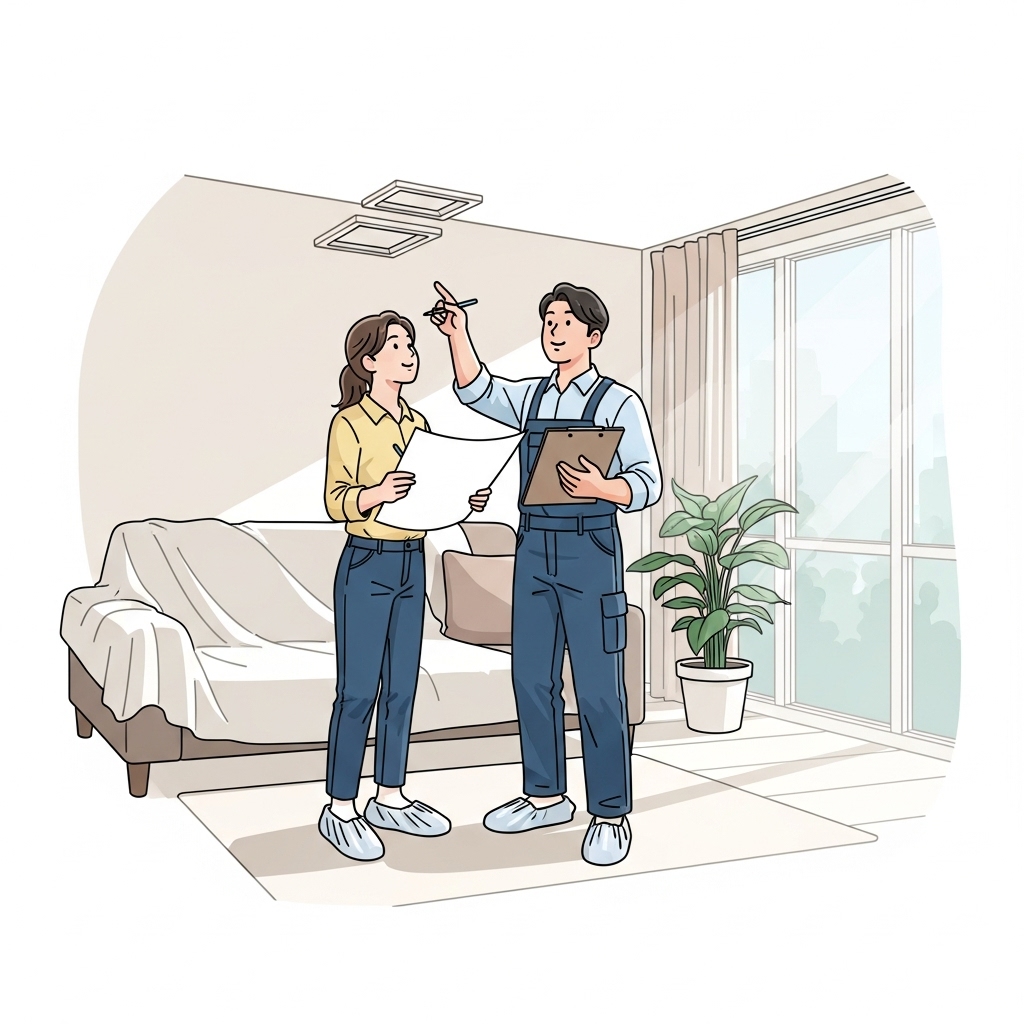
- Protection and cleanliness: Crews should use drop cloths, contain dust, and leave spaces tidy.
- Communication: You should receive a clear explanation of findings and any recommended follow-up work.
Questions to Ask Before You Hire
- How do you diagnose leaks and confirm improvements? Do you use pressure testing or airflow readings?
- Which materials will you use on metal seams, flex connections, and boots?
- How will you access concealed areas and protect finished surfaces?
- What steps will be completed in the first visit, and what might require a return visit?
- Will you provide photos or notes documenting issues and repairs?
Red Flags to Watch For
- Promises of quick fixes without inspection or measurements.
- Reliance on generic cloth duct tape rather than mastic or UL-listed tape.
- Lack of attention to return pathways and air handler cabinet connections.
- Unwillingness to explain procedures or materials in plain language.
Somerville-Specific Considerations
Local weather brings humid summers and cold winters—conditions that test duct seals and supports. Homes range from historic structures with retrofitted ductwork to newer builds with more standardized layouts. Contractors familiar with the area understand tight mechanical spaces, mixed materials, and the need to safeguard finishes while working in basements, attics, and utility rooms.
What a Thorough Visit Looks Like
The contractor begins by listening to your comfort concerns and noting rooms with persistent temperature differences. They conduct a visual inspection of accessible trunks, branches, boots, and returns, and may perform pressure or airflow testing. Repairs focus on damaged or misaligned components, including crushed or kinked flex runs. Sealing follows, with mastic applied to seams and joints and UL-listed tapes used where appropriate. Verification readings at key registers confirm progress, and recommendations for any additional layout improvements are provided.
Evaluating Proposals
Look for scope clarity: which areas will be sealed, what repairs are included, and how verification will be handled. Ensure the materials list names mastic, UL-listed foils or mastics tapes, and mesh reinforcement where needed. The proposal should discuss access strategies and protection of your living areas. Timelines should identify what can be completed in the first visit and what might be scheduled later.
Balancing Repair, Sealing, and Layout Improvements
Sealing delivers the most value when ducts are fundamentally sound. If sections are rusted through, severely undersized, or routed with sharp bends that throttle airflow, replacement and rerouting may be part of the plan. A skilled contractor explains these trade-offs and helps you prioritize steps for maximum impact.
Maintenance Practices to Preserve Results
- Change filters regularly to maintain healthy return pressures and protect internal components.
- Keep storage clear of visible duct runs to prevent crushing and punctures.
- Inspect accessible joints seasonally for loosening or condensation.
- Leave supply and return registers open unless a professional recommends balancing.
Frequently Asked Questions
Q: How can I tell if a contractor is measurement-focused? A: Ask how they quantify leakage and airflow before and after repairs. A measurement-focused contractor explains tools and shares results.
Q: Will the work be messy or disruptive? A: Reputable contractors protect floors and furnishings, contain debris, and clean up thoroughly. Most sealing occurs in basements, attics, or utility areas.
Q: What if my ducts are partly concealed? A: Many improvements can be made at accessible trunks, returns, and boots. Contractors will discuss options for concealed runs and only suggest opening finishes if clearly beneficial.
Q: Do I need to seal both supply and return sides? A: Yes. Addressing both ensures conditioned air reaches rooms as intended and reduces unfiltered air entering through returns.
Q: How often should I schedule inspections? A: Perform a quick visual check annually and request a more detailed review every few years or after renovations.
Comparing References and Results
Before you decide, request references for similar projects and ask about the homeowner’s comfort before and after repairs. Clarify whether the contractor provided measurements or photos documenting improvements. You can also ask how the team handled unexpected findings—such as crushed flex runs or misaligned take-offs—to gauge adaptability and problem-solving.
Working Relationship and Communication
Look for a contractor who welcomes questions and provides clear explanations. You should feel comfortable discussing priorities and constraints and should receive a summary of completed work and any recommended next steps. Communication is central to building trust and ensuring the final result meets your expectations.
Make a Confident Choice
With a clear understanding of process, materials, verification, and maintenance, you can choose a contractor who will deliver dependable performance. Take notes on your home’s comfort patterns, gather proposals, and compare them against the criteria in this guide. A well-chosen partner will help your HVAC system deliver steady, clean airflow across seasons.
Start Your Selection with a Local Specialist
If you want to see how a methodical, measurement-driven approach works in practice, explore a Somerville provider focused on durable repairs, careful sealing, and clear verification. To begin the conversation and compare approaches, connect with a team experienced in qualified air duct repair and learn how a well-planned visit can improve every room in your home.
Take the Next Step Toward Reliable Comfort
Choose a partner who respects your home, explains each step, and verifies results. For a thoughtful assessment and a repair plan tailored to your layout, hire a proven air duct repair contractor and move forward with confidence in the comfort of your Somerville home.
