Introduction: Choosing Between Repair and Replacement
When rooms feel uneven, dust persists, or your system seems to run harder than it should, a critical question arises: should you repair your existing air ducts or replace portions of the network? The answer is rarely one-size-fits-all. It depends on duct material, layout, accessibility, damage, and how your Somerville, New Jersey home is used season to season. This guide lays out a clear way to evaluate options and arrive at a confident decision. If you want to understand common methods and verification steps before an assessment, reviewing local information on air duct repair can help you recognize strong processes and ask precise questions.
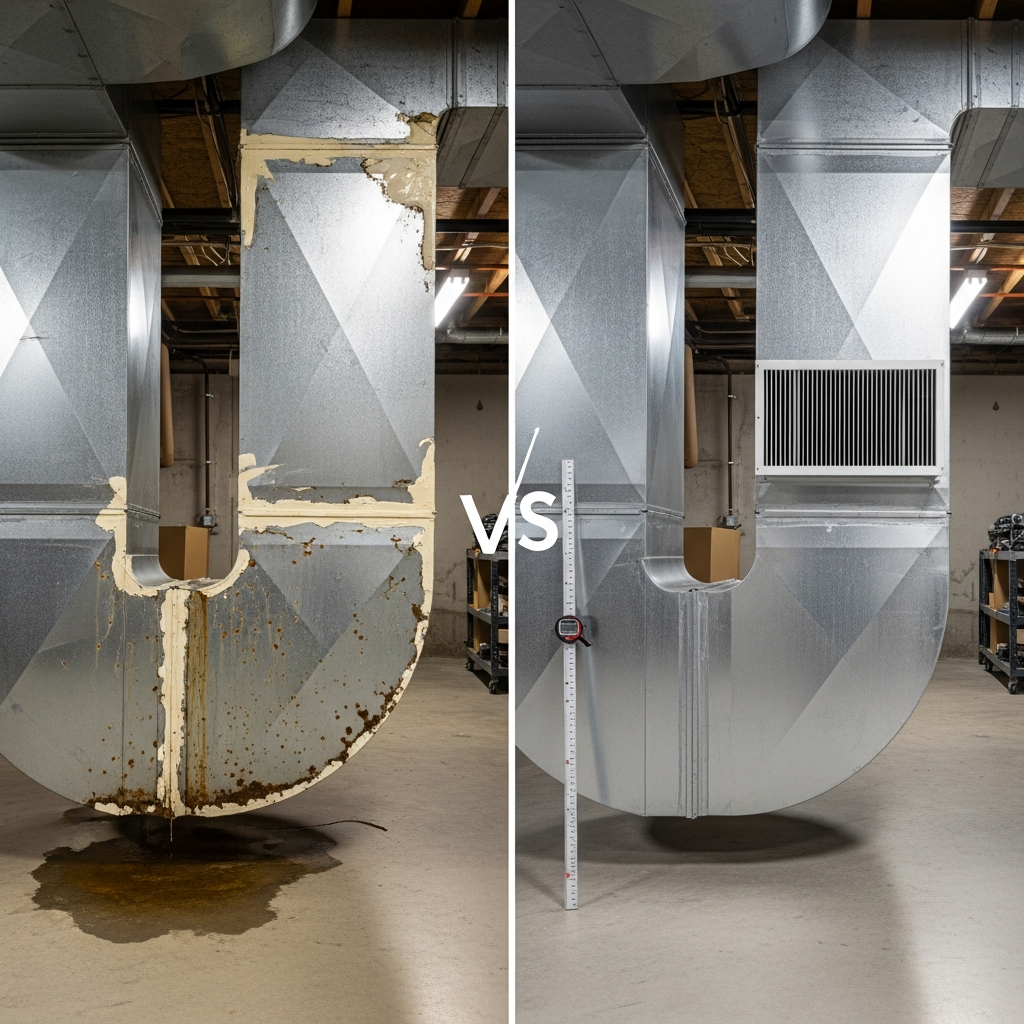
At a high level, repair focuses on sealing leaks, correcting supports and routing, and restoring insulation. Replacement comes into play when ducts are crushed, contaminated or deteriorated beyond practical remediation, poorly sized, or routed in a way that cannot be corrected without installing new sections. The right path is the one that measurably improves airflow and comfort with the least disruption while setting you up for long-term reliability.
Start With Diagnostics, Not Assumptions
Diagnostics anchor every smart decision. A professional assessment should include a homeowner interview, a thorough visual survey of accessible ducts, and measurements of airflow and system pressures. With this data, technicians can determine whether your issues stem from leakage, obstructions, routing, sizing, or a combination. The diagnostic step prevents overspending on changes that do not address the root cause.
When Repair Is Typically the Right Choice
Repair is ideal when the duct infrastructure is fundamentally sound but has weak points that undermine performance. These situations often benefit from targeted sealing and minor corrections:
- Seam and joint leakage on sheet metal trunks or branches.
- Boot-to-drywall or boot-to-floor gaps that pull in dusty air from cavities.
- Crushed or kinked sections of flexible ducts that can be replaced or rerouted.
- Poorly supported flex runs that sag and reduce airflow.
- Damaged or missing insulation in attics or crawl spaces.
In these cases, a methodical sealing and support upgrade can deliver more even temperatures, improved air quality, and calmer system operation.
When Replacement Deserves Serious Consideration
Replacement becomes attractive when the current layout or material prevents reliable performance even with diligent sealing. Signs include:
- Widespread deterioration, contamination, or crushing that makes sealing ineffective.
- Chronic noise or drafts tied to sharp transitions or undersized returns that cannot be reasonably reworked.
- Hidden ducts routed through inaccessible cavities with severe leakage revealed by diagnostics.
- Sections that were retrofitted in ways that contradict airflow best practices, causing persistent comfort issues.
Replacing only the necessary portions can balance practicality with performance, allowing key problem areas to be rebuilt while preserving healthy, accessible sections.
Somerville Housing and Climate Considerations
Somerville’s housing stock runs the gamut from older homes with creative retrofits to newer builds with long flexible runs. Winter stack effect can exaggerate leakage impacts, while humid summers challenge insulation and sealing integrity. Any plan—repair or replacement—should reflect these seasonal realities and verify results under conditions that mirror your household’s use patterns.
Performance Metrics to Guide Your Choice
Look for measurable indicators when comparing options. Before-and-after airflow readings at problem registers, healthy return and supply pressures, and quieter operation are hallmarks of a successful intervention. If sealing alone is projected to meet these targets, repair is likely appropriate. If testing suggests structural limitations—like a severely undersized return or an unreachable, leaky chase—selective replacement may be warranted.
Weighing Disruption and Access
Repair often involves less disruption, focusing on accessible trunks, branches, and boots. Replacement may require opening finishes to access hidden runs or rebuilding chases for proper routing. A seasoned team will describe access needs, protection measures for finished spaces, and a timeline that respects your household schedule. Balancing impact with results is key.
Materials and Methods That Last
Durable repairs use mastic at seams, UL 181 foil tape where appropriate, and corrected flex supports. Replacements prioritize smooth routing, proper sizing, and clean, secure connections. In attics and crawl spaces, both approaches require attention to insulation and moisture control so conditioned air stays at the right temperature all the way to the room.
Common Myths About Repair vs. Replacement
- “Replacement always performs better.” Not if the new layout repeats old mistakes. Design quality and verification matter more than the word “new.”
- “Repair is only a bandage.” Comprehensive sealing, routing fixes, and insulation restoration can deliver lasting, verifiable improvements.
- “Hidden ducts must be replaced.” Many inaccessible leaks can be mitigated with strategic sealing and selective openings based on diagnostics.
Decision Framework: A Simple Flow
- Gather data: Interview, visual survey, airflow and pressure readings.
- Identify root causes: Leakage, routing, sizing, contamination, or damage.
- Map interventions: Targeted sealing and corrections first; note structural limitations that may require replacement.
- Project outcomes: Estimate airflow and balance after repairs; define verification steps.
- Decide and stage: Choose repair if targets are achievable with manageable access; plan selective replacement if structural limits remain.
Case-Style Scenarios
- Sound system, leaky seams: A sheet metal trunk with visible gaps and boot leaks responds well to sealing, foil reinforcement where appropriate, and insulation touch-ups.
- Crushed flex branches: Replacing a few damaged sections and improving supports restores airflow to distant rooms without rebuilding the whole network.
- Undersized return path: If verification shows persistent pressure issues after sealing, selective return enlargement or replacement can quiet noise and boost airflow.
- Hidden chase with severe leakage: Strategic openings or internal sealing may help, but if diagnostics still show significant losses, targeted replacement can be the right call.
Verification: Your Proof of Success
No matter which route you choose, insist on verification. Measured airflow at problem registers, balanced pressures, and photos of sealed seams or newly installed sections give you confidence that the plan delivered as promised. Without this evidence, even an extensive project can fall short of your expectations.
Planning for Longevity
After repairs or replacement, protect your gains. Change filters on schedule, keep registers unblocked, and request seasonal check-ins to confirm that balancing still matches how you use the home. If you renovate or change equipment, share your documentation so new work honors the duct improvements already achieved.
How to Interview Contractors for This Decision
Ask targeted questions that reveal depth of expertise and a commitment to verification:
- “What measurements will you take before and after to prove improvement?”
- “How will you handle boot connections and return plenum sealing?”
- “What protections will you use while working in my attic or finished basement?”
- “If structural limits appear, how will you decide whether selective replacement is justified?”
Balancing Ideal With Practical
Sometimes the ideal design is not the practical path for your schedule or access constraints. The best teams help you prioritize the highest-impact steps first—often return sealing and trunk corrections—then reassess. This staged approach delivers noticeable improvements while keeping disruption manageable, with the option to tackle deeper changes later if needed.
Somerville-Specific Tips
Because Somerville sees both winter drafts and summer humidity, select materials and methods that stand up to temperature swings and moisture. Pay special attention to attic or crawl space insulation continuity and to sealing returns that run through dusty or damp spaces. Confirm that final balancing reflects real-life use: doors that are often closed, rooms used at specific times, and furniture placement near key registers.
Frequently Asked Questions
How do I know whether repair is enough? If diagnostics show that leakage and minor routing issues are the main culprits, and airflow targets can be met with sealing and corrections, repair is likely sufficient.
When is replacement unavoidable? When ducts are crushed, contaminated, or fundamentally misrouted in ways that sealing cannot correct, targeted replacement becomes the practical path to stable performance.
Will either option help with dust and odors? Yes. Tight returns and corrected boot connections reduce the entry of dusty or musty air; improved routing supports cleaner, steadier airflow.
What kind of disruption should I expect? Repair typically focuses on accessible areas with minimal disturbance, while replacement may require opening finishes to reach hidden runs. A clear plan will outline protections and cleanup.
How important is verification? Essential. Before-and-after measurements and photos confirm that the chosen route delivered the intended results and guide any final balancing.
Can I start with repair and decide on replacement later? Absolutely. Many homeowners begin with high-impact sealing and corrections, then reassess based on measured outcomes.
What maintenance should follow either choice? Regular filter changes, clear registers, and seasonal checks of key seams and supports help preserve performance.
Will my equipment operate differently afterward? Yes, typically in beneficial ways: steadier cycles, quieter operation, and more even room temperatures reflect healthier airflow and reduced leakage.
Make a Confident Choice for Your Home
If your home struggles with uneven rooms or persistent dust, start with a thorough assessment grounded in measurement and clear communication. Ask for a plan that prioritizes durable methods, staged where helpful, and always verified. To understand what robust processes look like and to prepare for an informed conversation with a professional, review proven approaches to air duct repair and schedule an on-site evaluation. With the right strategy—repair, replacement, or a thoughtful mix—you will enjoy cleaner air, steadier comfort, and reliable performance through every Somerville season.
