
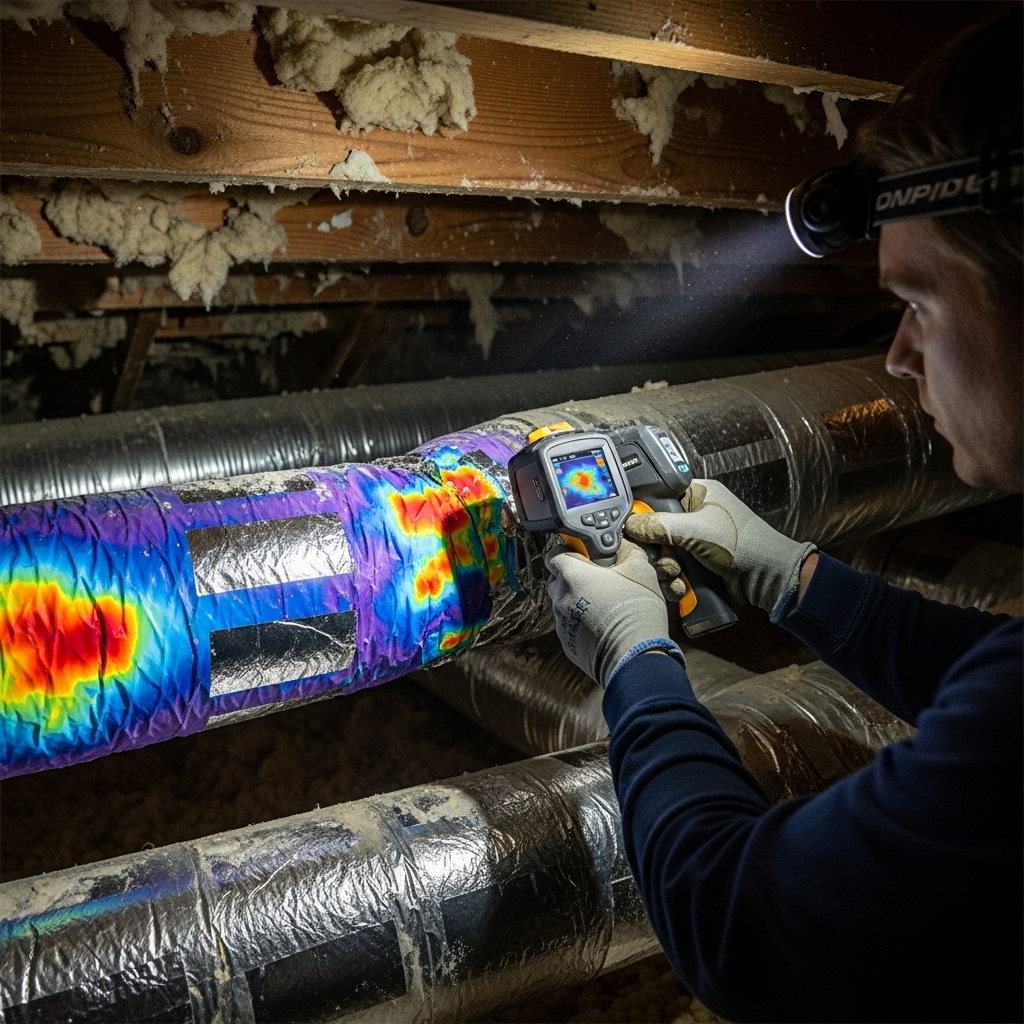
Effective troubleshooting turns scattered symptoms into a clear plan for repair. In Somerville, New Jersey, homes face temperature swings, humidity, and diverse construction styles that influence how ducts behave. Use this guide to trace common complaints back to specific duct problems and choose practical fixes. When issues are extensive or access is difficult, rely on local specialists who perform precise air duct repair so problems are solved thoroughly, not just patched.
Map Symptoms to Likely Causes
- Hot or Cold Rooms: Often due to leaks near the branch serving that room, crushed or kinked flex, closed or mis-set dampers, or undersized runs.
- High Dust and Allergy Irritation: Return-side leaks can pull dusty attic or basement air into the system. Poor filter fit also contributes.
- Whistling and Rattling: Air leaks at seams, loose boots, or high-velocity air through restricted sections create noise.
- Musty Odors: Moisture issues, poorly insulated metal ducts in humid spaces, or contaminants pulled in through return leaks.
- Weak Airflow: Disconnections, severe restrictions, clogged filters, or collapsed flex sections.
Initial Checks
- Filter: Ensure a clean, properly sized filter. A clogged filter masks and magnifies duct issues.
- Registers and Doors: Verify registers are open and furniture or rugs are not blocking supply or return paths. Check door undercuts or transfer grilles for adequate return flow.
- Thermostat and Fan Settings: Confirm settings match comfort goals and that the fan mode supports troubleshooting airflow.
Visual Inspection of Duct Runs
With the system off, inspect accessible trunks, branches, and returns. Look for dust streaks at seams, loose connections, crushed flex, and gaps around boots. Gently tug on joints to test security. Note any areas in unconditioned spaces where insulation is missing or damaged.
Targeted Diagnostic Steps
- Smoke Pencil Test: With the blower on, pass smoke along seams to spot leaks.
- Room Comparison: Use your hand to feel airflow strength at registers and note areas with weak delivery.
- Sound Clues: Follow whistling to a specific joint or restriction. Rattles often indicate loose supports or panels.
Fixes by Problem Type
- Leaks at Seams and Joints: Apply UL 181 foil tape and mastic. Reinforce long seams and around takeoffs.
- Disconnected Branches: Re-seat over the collar bead, secure with screws or clamps, tape, and seal. Re-insulate flex and tape the jacket.
- Crushed or Kinked Flex: Straighten gentle bends, shorten excess length, or replace damaged sections.
- Boot Leaks: Screw boots to framing and seal the boot-to-structure gap to prevent loss into cavities.
- Return Leaks: Seal filter slots and return trunks meticulously to avoid drawing in unconditioned, dusty air.
- Insulation Gaps: Wrap exposed metal ducts in unconditioned spaces and repair torn jackets on flex.
Flow-Based Troubleshooting Paths
If you prefer a structured approach, follow these paths.
- Uneven Room Temperatures Path:
- Confirm registers are open.
- Inspect branch for kinks or crushing.
- Check takeoff and connections at trunk and boot.
- Seal leaks and add support.
- Adjust damper to fine-tune delivery.
- High Dust and Odors Path:
- Examine filter slot for gaps.
- Seal return seams and penetrations.
- Inspect nearby attics or basements for dust sources.
- Verify insulation on metal ducts to avoid condensation.
- Noise Path:
- Locate whistling at seams; seal with mastic.
- Tighten loose boots or panels.
- Reduce sharp bends that raise velocity and vibration.
Somerville Considerations
Humidity can expose weak insulation details, and winter contraction can loosen marginal joints. Pay extra attention to attics and basements. Older homes may rely on unconventional return paths; tighten these carefully to avoid pulling air from wall cavities or basements.
When to Escalate
Escalate when you find extensive disconnections, inaccessible runs, or signs of contamination. Also seek help if airflow remains imbalanced after sealing, suggesting sizing or layout issues. A full diagnostic with pressure and temperature measurements can pinpoint hidden restrictions or design flaws.
Mid-project is often the right time to call in a Somerville team that performs comprehensive air duct repair. They can handle difficult access, verify performance metrics, and ensure that fixes deliver durable comfort improvements.
Maintenance Habits that Prevent Recurrence
- Replace filters on schedule to keep airflow stable.
- Visually scan accessible ducts each season and after storms or renovations.
- Keep supply and return paths clear inside rooms.
- Note new noises early and re-check fasteners and seals.
- Maintain attic and basement conditions to reduce moisture stress on ducts.
FAQ
Why do certain rooms always run hotter or cooler? Typically, the branch serving that room leaks, is restricted, or is not balanced properly. Repair leaks first, then adjust dampers and supports.
Is mastic safe to use indoors? Water-based mastic designed for ducts is widely used and cures to a durable seal. Use ventilation and protective gear as directed on the product label.
How can I tell if a return leak is the culprit? Look for dust around return seams, gaps at filter slots, and musty air drawn from attics or basements. Sealing returns often reduces dust quickly.
What if ducts are buried in walls or ceilings? Focus on accessible trunks and branches first. If comfort issues persist, a professional evaluation can determine whether additional access or rerouting is justified.
Should I close registers in unused rooms to save energy? Fully closing registers can raise system pressure and increase noise or leakage elsewhere. Use balancing lightly and rely on sealing and sizing for real improvements.
How often should I re-check after repairs? A seasonal quick check and an annual detailed review help keep performance steady.
Want targeted help that resolves root causes and keeps comfort consistent room to room? Book expert air duct repair and turn troubleshooting insights into lasting, measurable improvements.
