
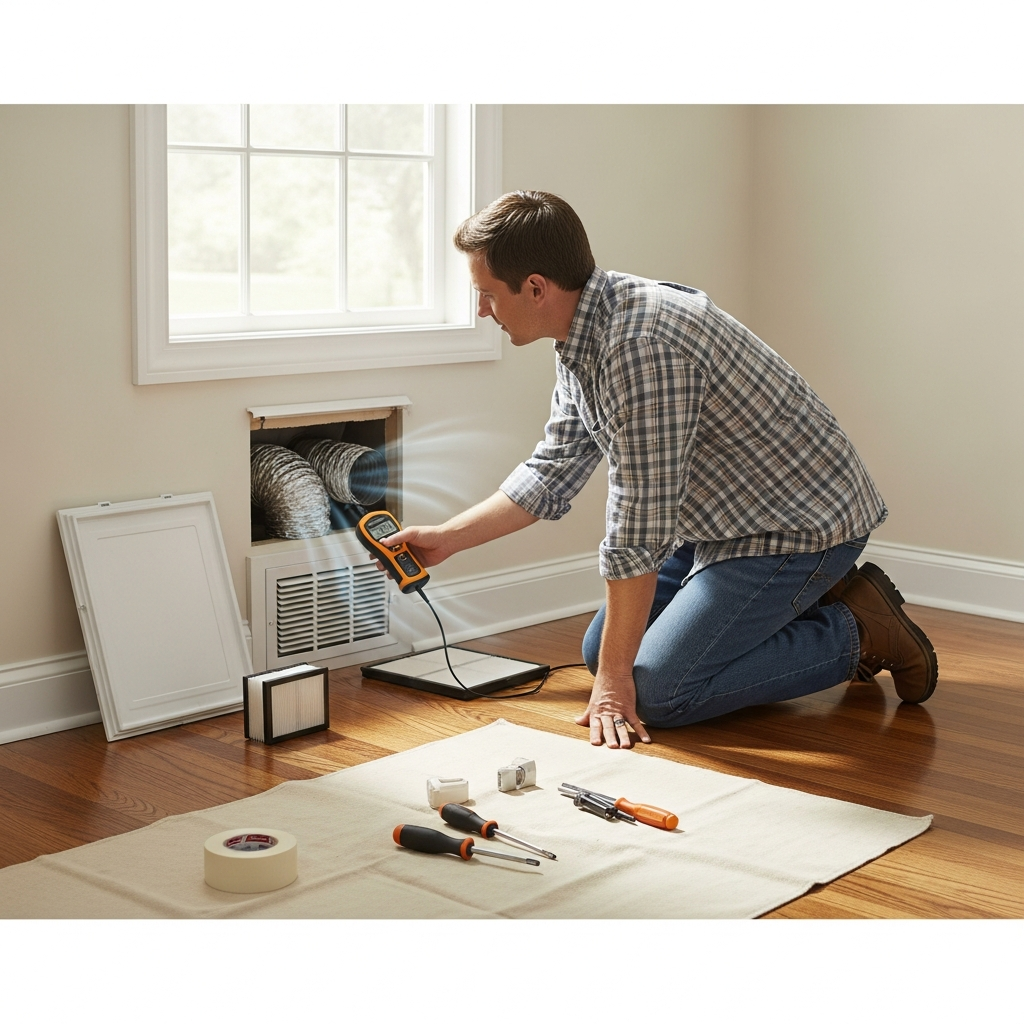
Your home’s comfort, health, and efficiency depend on more than just a good furnace or air conditioner. The hidden network of ducts is the highway that delivers conditioned air to every room in your Somerville, New Jersey home. Understanding how ducts work, how they fail, and how to repair them safely gives you control over comfort and indoor air quality. This guide walks you through the essentials of inspection, sealing, insulation, and verification—plus the decisions that tell you when to take on a project and when to call in help. If you prefer to start with a professional evaluation, reputable air duct repair in Somerville can provide testing, pinpoint issues, and plan durable fixes.
As a homeowner, you do not need advanced tools to spot many problems. You do need patience, a methodical approach, and the right materials. The goals are simple: stop leaks, correct restrictions, prevent contamination, and confirm that every room receives the airflow it needs. Achieve those four targets, and your system will run quieter, cleaner, and more efficiently through Somerville’s cold winters and humid summers.
How duct systems are supposed to work
A central blower draws air from return grilles, conditions it through heating or cooling equipment, and pushes it through supply ducts to your rooms. The system relies on balance: air sent to rooms returns in equal measure, preserving neutral pressure. When ducts leak or are undersized, the system loses that balance. Returns can suck in attic or crawlspace air; supplies may underdeliver to distant rooms. The result is uneven temperatures, dust, noise, and higher energy use.
Key components include supply trunks, branch runs (often flexible duct), boots at registers, a return plenum, and filters. Joints and seams are potential leaks. Bends and long unsuspended runs are potential restrictions. Materials vary by era; older homes may use duct board plenums or panned framing cavities for returns. Each type demands specific repair techniques.
Common signs you need repair
- Rooms that are persistently too hot or too cold compared to the rest of the house
- Whistling or hissing at seams and registers, suggesting air movement through gaps
- Excess dust settling quickly after cleaning, often tied to leaky returns
- Musty or attic-like odors when the system runs
- Visible kinks, crushed sections, or disconnected flexible duct
- Condensation, rust, or water staining on or around ducts in cold months
- High utility bills without a change in thermostat settings
Each of these symptoms narrows the likely fault. For example, musty odors point to return leaks; hot rooms that were previously comfortable may signal a crushed branch or disconnected boot. Use your senses and make a list before you begin.
Materials and tools that actually last
Skip cloth “duct tape.” Use UL 181-rated mastic and foil tape, which are designed for air ducts. You will also want sheet metal screws, hanger straps, zip ties for flex duct inner liners, a flashlight or headlamp, tin snips, a nut driver, and a HEPA-filtered vacuum for cleanup. Keep a respirator, safety glasses, and cut-resistant gloves handy; ducts have sharp edges and insulation can irritate your skin and lungs.
For insulation repairs, use duct wrap of an appropriate R-value for New Jersey’s climate and a foil-faced vapor barrier. Seal all seams on the vapor barrier with matching foil tape to prevent condensation. In humid basements and crawlspaces, an intact vapor barrier is as important as the insulation itself.
Your step-by-step homeowner inspection
- Turn off the thermostat and switch power off at the air handler or furnace. Safety first.
- Start at the air handler or furnace and follow the supply trunk, then each branch. Photograph any issues.
- Check every connection for gaps. Gently tug on flex duct at collars—if it slips, it was not secured correctly.
- Note sags, kinks, and crushed sections. Flex duct should be supported every four feet with wide straps.
- Inspect returns carefully. Panned joist returns and wall cavities are notoriously leaky.
- Look for signs of moisture: rust, staining, or mold. Find and fix the moisture source before sealing.
- Check boots at registers. Gaps between boot and drywall can leak significant air into wall cavities.
After your tour, prioritize. Address safety and moisture issues first, then focus on sealing and support. Replace any filter that looks dirty or does not fit snugly in its rack; a poorly seated filter undermines even the best duct repairs.
Sealing and reconnecting the right way
For sheet metal seams, brush on a coat of mastic, pushing it into cracks. Large gaps benefit from fiberglass mesh embedded in mastic. For quick fixes where mastic is not practical, UL 181 foil tape on a clean surface works well. For flex duct reconnections, slide the inner liner over the metal collar until it passes the bead, secure with a drawband or zip tie, and seal the joint. Then bring the outer vapor barrier over the assembly and tape it separately so both the air seal and the moisture seal are continuous.
If you must replace a crushed flex run, match the diameter and keep runs as short and straight as possible. Gentle sweeps outperform tight bends. Use wide support straps to cradle the duct without pinching. Where a long turn is unavoidable, consider using a metal elbow to form the bend and connect flex on either side.
Testing your work
Visual inspections are good, but verification matters. With the system running, use your hand to feel for leaks at previously repaired seams. A smoke pencil or a stick of incense can help you see airflow moving in or out of joints. Listen for whistling and watch for registers that now deliver stronger airflow than before. If you own a simple anemometer, compare register readings from room to room to identify persistent imbalances.
Professional verification takes this further with duct pressurization or flow hood testing, which quantify leakage and distribution. If you prefer a data-backed checkup or have hard-to-access runs hidden in walls or attics, scheduling capable air duct repair brings specialized tools and trained eyes to your project.
Indoor air quality considerations for Somerville
Somerville’s pollen-heavy springs, humid summers, and chilly winters each stress your ducts differently. Leaky returns can draw pollen and attic dust into your living areas, while uninsulated metal ducts can condense moisture when cold air passes through in summer. Seal returns thoroughly, maintain filters, and ensure insulation is properly installed with sealed vapor barriers. If you see microbial growth on porous materials, avoid DIY cleaning; have a qualified professional evaluate and remediate before sealing.
Keep chemicals like paints and fuels away from return pathways. If you store such materials in the basement, verify that returns are tightly sealed so fumes are not pulled into the home. After any repair that stirred dust, replace your filter and clean registers and surrounding floors to reduce recirculation of debris.
When to call a professional
- You suspect asbestos or discover vermiculite insulation
- You see widespread mold or moisture damage
- Returns use wall cavities extensively and access is limited
- Comfort issues persist after sealing and support corrections
- Static pressure or airflow performance falls outside equipment specifications
Professionals can also rebalance the system by resizing or re-routing ducts, performing duct pressurization tests, and sealing inaccessible leaks. In older Somerville homes with additions and finished attics, these capabilities often deliver the biggest comfort improvements.
Maintenance to keep repairs paying off
Inspect visible ducts seasonally. Look for new sags, disconnected liners, or condensation. Keep storage clear of duct runs to prevent crushing. Change filters regularly and ensure they fit correctly. After renovations, check ducts for damage and dust, and reseal any disturbed joints. Note dates and materials used in a simple log so you can track what was done and when.
Consider airflow balance in lived-in spaces. If a room consistently lags behind, a minor damper adjustment or a short run correction can help. Avoid closing too many registers to “force” air elsewhere; this can raise system pressure and cause noise or equipment strain. Thoughtful balancing maintains comfort while protecting your blower and coil.
Frequently asked questions
How much leakage is typical? Many older homes lose 20–30% of airflow through leaks. Good sealing can cut this dramatically, improving comfort and reducing run times.
Is foil tape enough by itself? On clean, dry metal, UL 181 foil tape can be effective, but mastic tends to be more durable, especially on irregular seams or dusty surfaces.
Can I seal ducts in a crawlspace? Yes, with care. Wear PPE, watch for pests and moisture, and ensure the area is dry. Seal first, then insulate, and maintain clearances around vents and wiring.
What about rooms over garages? Ducts running through garages must be tightly sealed to prevent fume infiltration. Check boot-to-drywall gaps and any penetrations into the garage.
Do I need bigger ducts for a cold room? Not always. Restrictions, leaks, or poor routing are often the culprits. Diagnose before resizing; sometimes a simpler correction solves the issue.
Will sealing make my home too tight? Duct sealing improves the HVAC system’s integrity, not the building envelope. It will not “over-tighten” your house, but it can reduce dust and improve comfort.
How often should I inspect? A seasonal visual check is smart, with a deeper look before peak summer and winter operation in Somerville.
Make your next season the most comfortable yet
You do not have to live with rooms that never feel right, noisy vents, or dust that returns days after cleaning. With a careful plan, durable materials, and periodic inspections, your duct system can deliver the comfort your equipment was designed to provide. When you want testing, difficult-access sealing, or system balancing, book trusted Somerville air duct repair to finish the job with confidence and long-lasting results.
