
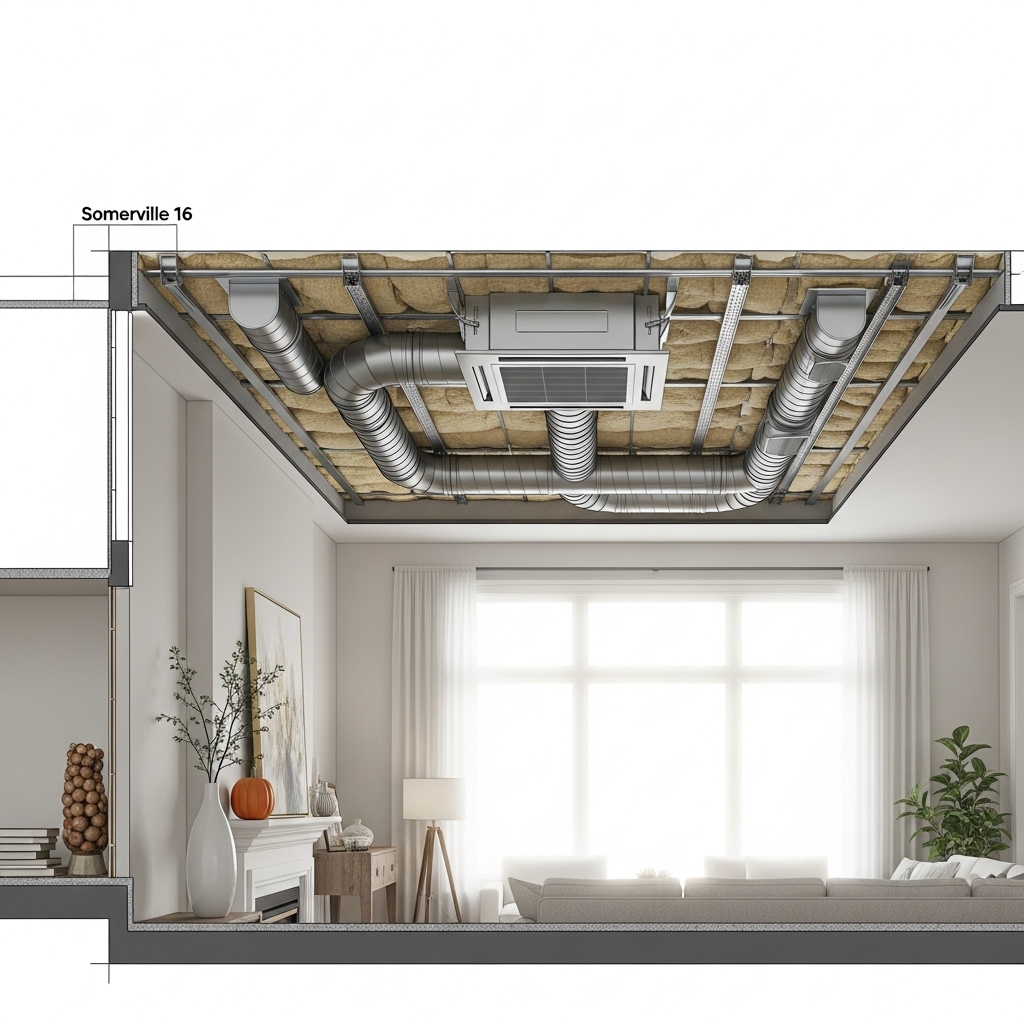
Somerville, New Jersey homeowners know how much the seasons can swing from humid summers to brisk winters, and those shifts put a lot of stress on residential HVAC systems. When your ductwork is compromised, your equipment must work harder, indoor air quality suffers, and comfort becomes inconsistent from room to room. This comprehensive guide explains the basics of air duct anatomy, the warning signs of leaks and damage, how professionals diagnose issues, and the practical steps for repairs and prevention. If you are just beginning your research, you will find actionable insights, checklists, and local considerations tailored to homes in Somerville and surrounding neighborhoods so you can make informed decisions and protect your home. To get oriented from the start, remember that well-timed air duct repair improves airflow, reduces strain on your HVAC, and helps keep indoor environments healthier for everyone in the household.
Understanding Your Home’s Ductwork
Most homes in Somerville use a forced-air HVAC system that distributes heated or cooled air through a network of supply ducts and returns. Supply ducts deliver conditioned air to rooms through registers, while return ducts pull stale air back to the air handler for filtration and temperature adjustment. This cycle only operates efficiently when ducts are sealed, insulated where appropriate, and designed to match your equipment’s capacity.
Common materials include sheet metal, fiberglass-lined ducts, and flexible duct (commonly called flex). Each has advantages and vulnerabilities. Sheet metal is durable and easy to clean, but joints can leak if the mastic seal fails. Fiberglass-lined ducts can dampen noise, yet the lining can degrade if exposed to moisture. Flex duct is versatile for remodels and tight spaces, but it is vulnerable to kinks, compression, and punctures if installed without proper supports.
Why Air Duct Repair Matters
Leaky or damaged ductwork wastes energy by allowing conditioned air to escape before it reaches living spaces. The result is longer runtime for your furnace or AC, higher utility bills, and wear on blower motors and compressors. In winter, leaks pull cold air into cavities, and in summer, they pull hot, humid air from attics or crawl spaces. This not only harms efficiency but can also introduce dust, insulation fibers, or outdoor pollutants into your indoor air.
When ducts are properly repaired, airflow balances improve. Rooms that were chronically too hot or cold stabilize, and the HVAC system cycles off sooner. By eliminating pressure imbalances, you may notice doors no longer slam shut from drafts, and you reduce opportunities for moisture problems that can lead to mold growth inside duct walls or nearby building assemblies.
Common Signs You Need Duct Repair
- Uneven temperatures: One bedroom remains cool while adjacent rooms are warm, especially during peak summer afternoons or winter nights.
- Excessive dust: Dust accumulation shortly after cleaning can indicate return leaks pulling from dusty spaces.
- High energy bills: Costs climb despite similar usage patterns and typical outdoor temperatures for Somerset County.
- Whistling or rattling: Noises near registers, in basements, or in attics can signal air leaks or loose connections.
- Odors: Musty smells may indicate moisture intrusion or microbial growth inside ducts or insulation.
- Low airflow: Weak supply at certain registers suggests blockages, crushed flex sections, or disconnected runs.
Typical Causes of Duct Damage in Somerville Homes
Age and previous renovations often contribute to duct problems. During a kitchen upgrade or finished basement project, a contractor might relocate or cut into ducts without sealing them correctly. In older homes, insulation mastic dries out and seams open. Animals can also be a factor: rodents or raccoons in attics and crawl spaces sometimes damage flex lines or loosen joints.
Weather plays a role too. Wide temperature swings cause metal to expand and contract, gradually loosening connections. In humid months, condensation on colder duct surfaces encourages corrosion or saturates surrounding insulation. In homes with attics, technicians frequently find crushed flex duct beneath stored boxes or inadvertently stepped on during roof or electrical work.
DIY Checks Versus Professional Assessment
Homeowners can do some non-invasive checks. With the system running, hold a thin tissue near accessible joints to see if it flutters—a simple indicator of air leakage. Look for visible gaps at seams, missing or deteriorated mastic, and discolored insulation that may indicate past moisture. Ensure furniture is not blocking returns, and confirm that each supply register is open and clear.
However, there is a limit to what you can safely and effectively diagnose without specialized tools. Professionals use pressure testing, manometers, and sometimes cameras to investigate hidden sections. They evaluate static pressure, duct sizing relative to equipment, and leakage percentage to recommend repairs that actually address the root cause rather than just symptoms.
How Professionals Diagnose Duct Problems
A thorough evaluation typically combines visual inspection with performance testing. A technician may measure total external static pressure at the furnace or air handler to understand system strain. They might test temperature rise and drop across coils and heat exchangers to determine if airflow is within manufacturer specs. Smoke pencils or theatrical fog can reveal air movement at seams, boot connections, and around plenums.
In some cases, a blower door test can be coordinated to assess overall building leakage and its interaction with ductwork. If the home uses ductwork located outside the conditioned space (such as in attics or unconditioned basements), the inspector pays extra attention because leaks in those locations are more costly in both energy and comfort.
Common Repair Methods
- Sealing seams and joints: Mastic is the standard material for durable sealing. Foil-backed tapes designed for HVAC (not generic duct tape) are sometimes used in conjunction with mastic for reinforcement.
- Replacing damaged flex: Kinked or torn flex duct should be replaced and hung with wide supports at proper intervals to maintain shape and airflow.
- Reconnecting disconnected runs: Boots and take-offs can separate from trunks; secure with screws, apply mastic, and insulate as required.
- Adding or resizing returns: In homes with comfort complaints and high static pressure, adding returns can balance airflow and reduce equipment strain.
- Insulating ducts in unconditioned spaces: Proper R-value insulation minimizes heat gain or loss and reduces condensation risk.
- Correcting duct layout: Rerouting poorly designed branches, reducing excessive turns, and smoothing transitions can significantly improve performance.
When to Repair Versus Replace Sections
Repair is usually preferred when the duct material is sound and the problem is localized. For example, a few leaky seams in a sheet metal trunk or a single crushed flex line are straightforward fixes. Replacement makes sense when duct walls are contaminated with persistent microbial growth, the layout is fundamentally undersized, or the material has deteriorated beyond reliable sealing.
For homes in Somerville with decades-old systems, you might combine partial replacement and strategic repairs. This hybrid approach targets the worst sections first and preserves components that still have a long service life, controlling disruption during the project.
Health and Indoor Air Quality Considerations
Leaky returns can draw in particulates from garages, attics, or basements. This mix can include insulation fibers, pollen, and combustion byproducts if tools or lawn equipment are stored nearby. Sealing returns is crucial for households managing asthma, allergies, or respiratory sensitivities. Additionally, when moisture infiltrates duct insulation, odors and microbial growth can develop. Repairing leaks and addressing wet insulation promptly helps protect indoor air quality.
After repairs, many homeowners notice improved filter performance. Filters load at a predictable rate instead of clogging rapidly from dust drawn in through leaks. Better filtration combined with tighter ducts means more of the air moving through your system actually passes through the filter media, improving overall cleanliness.
Local Factors in Somerville, New Jersey
Somerville’s housing stock ranges from classic older homes to newer developments, and duct systems vary accordingly. Older homes may have tight chases, irregular joist bays, or retrofits that created complicated runs. Newer homes often feature flex duct that depends heavily on proper supports and gentle bends. Seasonal humidity spikes make attic and crawl-space ducts especially prone to sweat and deterioration if not insulated correctly.
Local trees release pollen in spring, and leaf debris can find its way into exterior vents if covers are damaged. Animals are active in nearby green spaces and can sometimes occupy attics or crawl spaces; their movement and nesting can stress duct materials. Paying attention to these regional details helps you decide where to focus inspection efforts first.
Maintenance Habits That Extend Duct Life
- Change filters on schedule: Clean filters reduce dust accumulation and maintain airflow, limiting strain at elbows and transitions.
- Keep registers clear: Avoid blocking supply or return vents with furniture, rugs, or drapes.
- Inspect accessible areas seasonally: Quick checks in spring and fall catch developing issues before extreme weather hits.
- Mind attic and basement storage: Do not rest boxes on ducts, and keep pathways clear for safe service access.
- Monitor humidity: Use ventilation and dehumidification to limit condensation on metal ducts in summer.
- Schedule periodic professional assessments: A trained eye can spot subtle problems that grow more expensive if ignored.
Choosing the Right Professional
Look for technicians who evaluate your system holistically rather than offering a one-note fix. Ask whether they measure static pressure and document leakage. Inquire about materials, such as whether they use water-based mastic and foil tape rated for HVAC applications. Request before-and-after photos of repaired sections, particularly in hard-to-reach areas.
Good communication matters. A reputable provider will explain the rationale for each repair, set realistic timelines, and provide maintenance advice. They should discuss how airflow and temperature balance will be verified after the work. Mid-project updates are a positive sign that the team is paying attention to details, especially if new findings emerge during access.
When you are weighing your next step, consider scheduling a focused visit to understand your options for air duct repair and to prioritize any fixes that will deliver the biggest impact for your home and comfort goals.
Step-by-Step Outline of a Typical Repair Visit
- Initial walkthrough: Discuss comfort complaints and review the home’s layout, including rooms that struggle with airflow.
- Access and inspection: Open key areas in basements, attics, or utility closets to examine trunks, branches, and connections.
- Testing: Measure static pressure, airflow at registers, and temperature differentials to establish a baseline.
- Sealing and corrections: Apply mastic to seams, reconnect loose boots, replace crushed flex, and secure supports.
- Insulation improvements: Wrap exposed sections in unconditioned spaces to cut heat gain or loss and reduce condensation.
- Balancing: Adjust dampers where present and verify airflow distribution room by room.
- Verification: Re-test static pressure and airflow to confirm improvements, then review results with the homeowner.
What Not to Do
- Avoid generic duct tape: It dries out quickly and fails under heat and humidity.
- Do not block returns: Starving the system of return air causes noise, poor filtration, and equipment stress.
- Do not oversize equipment to compensate: Bigger HVAC does not fix bad duct design; it often magnifies problems.
- Avoid aggressive DIY inside walls or ceilings: Cutting into hidden ducts can create bigger leaks and safety concerns.
Future-Proofing Your System
As you plan other home projects, coordinate duct protection with contractors. During roofing, request careful attic access routes to avoid compressing lines. When remodeling, make duct rerouting part of the design early so it aligns with framing and insulation plans. Consider zoned systems if your layout and lifestyle demand independent temperature control for different areas, but ensure ducts are up to the task before adding controls.
Finally, document your duct system. Photos, measurements of trunk sizes, and notes about previous repairs help future technicians assess conditions quickly and make better recommendations. This record is especially valuable if you plan to sell your home, as buyers increasingly look for signs of efficient, well-maintained infrastructure.
Frequently Asked Questions
How often should I have my ducts inspected? Most homes benefit from a professional review every two to three years, or sooner if you notice performance changes, renovations, or pest activity.
Can leaky ducts really affect my HVAC lifespan? Yes. Leaks raise static pressure and runtime, straining blowers and compressors and potentially shortening their service life.
Will sealing ducts reduce dust in my home? Sealing return leaks often results in a noticeable decrease in dust because the system stops pulling air from dirty cavities and unconditioned spaces.
Is mastic safe to use inside my home? Professional-grade water-based mastic is standard for indoor applications and is applied in controlled amounts at seams and joints.
What if my home has hot and cold spots even after sealing? A re-balance or added returns might be needed, and in some cases duct resizing or layout adjustments can correct persistent imbalances.
Do I need to replace all my ducts at once? Not necessarily. Targeted repairs and selective replacement of the most problematic sections can deliver strong results with less disruption.
How long does a typical repair take? Many projects conclude in a single day, but larger homes or complex layouts may require multiple visits.
Ready for Reliable Comfort in Every Room
If rooms in your Somerville home feel inconsistent, you hear whistling around registers, or you are simply ready to boost efficiency and indoor air quality, schedule a professional evaluation. An experienced local team can identify leaks, correct design issues, and verify improvements so you can enjoy steady comfort through every season. Reach out today to discuss your home, ask questions, and plan focused repairs that make a measurable difference—and take the first step with trusted air duct repair that aligns with your long-term home goals.
