
Introduction: Understanding the Investment Behind Reliable Air Duct Repairs
When the rooms in your Somerville, New Jersey home heat or cool unevenly, or when dust seems to reappear no matter how often you clean, your air ducts may be calling for attention. A clear picture of the factors that shape the overall investment in your project can help you plan effectively without surprises. In this guide, you will learn what drives the scope of work, what to expect from a professional visit, and how to compare proposals wisely. If you are just beginning, you can also explore local options for air duct repair to see how experienced technicians assess homes like yours in Somerville’s climate and housing stock.
While every home is different, the fundamentals remain the same: discover the condition of your system, choose durable repair methods, and confirm that the solution actually solves the problems you feel and see. This article focuses on the big picture—scope, materials, accessibility, diagnostics, and quality assurance—so you can make a confident decision and improve comfort, indoor air quality, and system longevity.
Why Air Duct Condition Matters in Somerville
Somerville’s blend of historic houses and newer construction presents a wide range of duct configurations: sheet metal trunks in basements, flexible branch lines in attics, and occasionally ducts buried within walls or crawl spaces. Local weather adds another layer. Summers can be humid, winters are cold, and shoulder seasons swing quickly, which means your air distribution network is constantly expanding, contracting, and metabolizing moisture. Small gaps or weak seals can lead to conditioned air escaping into unconditioned spaces, while dust and outside air are drawn into living areas, affecting cleanliness and comfort.
Beyond comfort, duct integrity influences the workload of your heating and cooling equipment. A tightly sealed and well-supported system helps your furnace or heat pump operate in a steady state rather than working overtime. Over the long term, that steadiness can translate into better reliability and fewer breakdowns. The good news: thoughtful planning and informed choices during a repair can set you up for improved performance you can feel in every room.
Key Factors That Shape Your Project
Think of the overall project as the sum of several drivers. The better you understand each, the easier it becomes to weigh options and choose the right path.
- System size and layout: Larger homes and complex layouts often require more joints, fittings, and branches to inspect and address. The location of the supply and return trunks, and how branches feed each level, determines how much time and material a technician will need to bring the system back into shape.
- Accessibility: Ducts in open basements are easier to assess and repair than those concealed in cramped attics or tight crawl spaces. Accessibility also impacts safety and setup, including ladders, lighting, protective platforms, and containment for dust.
- Material type: Sheet metal, fiberglass-lined ducts, and flexible ducts each demand different repair techniques and products. Matching the repair method to the material ensures durability and better airflow.
- Extent of leakage and damage: Pinholes, seam gaps, missing mastic, crushed flex lines, detached boots, and torn insulation all carry different remediation needs. A thorough diagnostic visit clarifies the scope.
- Return vs. supply issues: Problems on the return side can pull dust or attic air into the system, while supply leaks waste conditioned air. Addressing both sides leads to a balanced, comfortable home.
- Insulation and condensation control: Proper insulation around ducts in attics or along exterior walls helps maintain air temperature and reduces moisture risks. Where condensation has been present, repairs may require remediation and prevention steps.
- Verification and testing: Airflow measurements, pressure readings, and leakage testing before and after the work demonstrate the impact of the repair and help technicians fine-tune the final result.
Common Signs That Point to Duct Repair
It helps to connect daily symptoms to likely duct issues. That way, you can communicate clearly with a technician and focus the initial inspection.
- Uneven temperatures between rooms or floors, especially those furthest from the air handler.
- Persistent dust, allergy flares, or a stale smell when the fan starts.
- Whistling or rattling noises that change with fan speed or room doors opening and closing.
- Rooms that feel clammy in summer or drafty in winter despite thermostat adjustments.
- High filter loading, visible debris at registers, or dark lines on carpet edges (often due to pressure imbalances).
Diagnostics: The Foundation of a Good Outcome
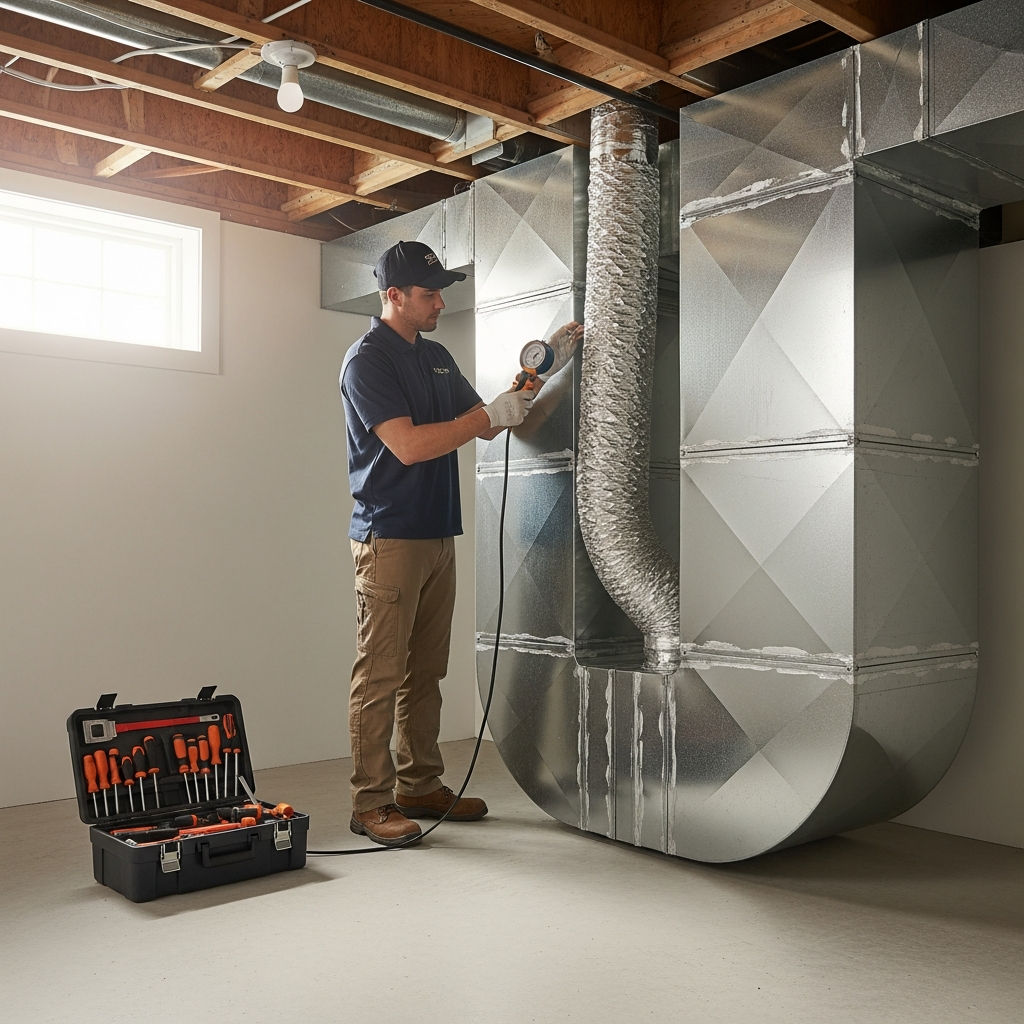
Professional diagnostics transform guesswork into a targeted plan. Expect a visual survey of accessible ducts, connections at the air handler, boot-to-drywall transitions, and the condition of flex runs and supports. Technicians may use smoke pencils to visualize leakage points, manometers to measure pressures, and anemometers to capture airflow at key registers. In some cases, system zoning, dampers, and balancing methods are reviewed to ensure that once leaks are sealed, air is distributed evenly.
Just as important as the tools are the questions the technician asks you: which rooms feel least comfortable; whether issues change by season; whether certain registers seem weak; and if recent renovations or pest issues have occurred. Your lived experience fills the gaps that a visual inspection alone can miss.
Repair Methods and Materials
A thorough plan pairs the right material with the right location. Here are the most common approaches and where they shine.
- Mastic sealant: Applied with a brush or trowel to seams and joints, mastic forms a durable, flexible seal. It is particularly effective on sheet metal and around connections where foil tape alone would fatigue over time.
- UL 181-rated foil tape: For accessible straight seams and short runs, high‑quality foil tape complements mastic. It must be applied to clean, dry surfaces and pressed firmly with a squeegee or roller.
- Flexible duct corrections: Crushed or kinked flex lines reduce airflow. Technicians may replace damaged sections, improve hangers and supports, or reroute lines to reduce sharp bends.
- Boot and register corrections: Where ducts meet walls, floors, or ceilings, gaps can form. Sealing boot-to-drywall or boot-to-floor connections with mastic reduces leakage and stops dust from being drawn in around the edges.
- Insulation improvements: In attics or crawl spaces, wrapping or replacing damaged insulation keeps supply air closer to the intended temperature, reducing condensation risks.
- Internal sealing approaches: In some situations, a dispersed sealant is introduced within the ducts to target leaks from the inside. Whether this option is right depends on accessibility and existing materials.
Accessibility and Location Considerations
In Somerville, many homes have partial basements or attic-mounted air handlers. Accessibility dictates how technicians stage the job, protect finished surfaces, and manage debris. For attics, careful placement of boards for stable footing, containment around registers, and attention to insulation are crucial. In crawl spaces, technicians focus on protective gear, lighting, vapor barriers, and safe routing of tools and sealants.
Accessibility also affects how much of the system can be repaired in a single visit and whether multiple sessions are needed. Clear communication ahead of time—such as confirming attic access points, moving stored items, or identifying locked utility spaces—helps streamline the work.
Health and Indoor Air Quality
Leaks on the return side can draw in dust, insulation fibers, and humid air. Over time, that extra particulate load can overwhelm filters and move irritants into living spaces. Sealing returns and ensuring a tight plenum-to-furnace transition can make a noticeable difference in cleanliness and comfort. Where odors or moisture have been present, technicians may recommend filter upgrades, improved drainage at the coil, or humidity management strategies to complement the repair.
Another often overlooked factor is room-to-room pressure. Undercut doors, jump ducts, or transfer grilles can help maintain balanced pressures across closed rooms, reducing the tendency to pull unconditioned air into the system. A well-sealed duct network paired with basic balancing can yield a calmer, cleaner home.
Performance and Comfort Benefits
Once leakage is reduced and airflow is restored, you can expect more even temperatures, stronger supply at distant registers, and a system that cycles in a stable, predictable way. On humid summer days, conditioned air that actually reaches rooms does a better job drying the space. On cold winter nights, a sealed and insulated supply path preserves heat all the way to the register. Over time, these benefits support your equipment, reducing strain and the likelihood of nuisance shutdowns.
DIY vs. Professional Work
Some simple tasks—like gently straightening minor kinks in accessible flex runs, replacing a filter, or sealing a small, visible seam—can be handled by a careful homeowner. However, much of the value in a comprehensive project comes from diagnostics and verification. A professional brings experience, proper tools, and the ability to address return and supply issues together. They also understand how repairs interact with combustion safety, ventilation needs, and building code requirements.
In other words, a well-done project is not just about sealing a few joints; it is about ensuring overall system health. That emphasis on total performance is where trained technicians deliver lasting results.
How to Compare Proposals
When you evaluate proposals, focus on clarity and outcomes. A strong scope of work will describe exactly what will be inspected and repaired, which materials will be used, and how results will be verified. Look for notes about boot connections, plenum transitions, flex supports, and attic or crawl space provisions. Confirm that protective measures, cleanup, and post-repair testing are included. Ask about warranties on workmanship and materials, and request before-and-after documentation of representative locations.
Equally important is the provider’s communication. Do they explain how your concerns map to the technical plan? Do they set realistic expectations for access, scheduling, and any temporary disruptions? Providers who emphasize process and transparency tend to deliver steadier outcomes.
Somerville-Specific Considerations
Local housing styles influence how a repair unfolds. Older homes may have retrofitted ducts threaded through joist bays, with creative transitions and angles. Newer homes might feature more flexible ducts but are not immune to support or sealing issues. Attic systems need attention to insulation and radiant heat in summer, while basement systems must contend with moisture in certain seasons.
Local building practices and climate also affect how technicians stage verification. In cooler months, they may focus on supply warmth and balancing to distant rooms. In warm, humid periods, they will observe how the system dehumidifies and whether return sealing reduces musty odors. Because Somerville experiences both ends of the spectrum, a comprehensive repair plan addresses seasonal performance, not just a single condition.
What to Expect During the Visit
Most projects begin with a walkthrough and homeowner interview, followed by a visual inspection and baseline measurements. Technicians then protect surfaces, set up access in basements or attics, and begin targeted repairs. Expect careful cleaning of surfaces before applying mastic or foil tape, re-hanging flex with proper straps, and sealing boots to surrounding building materials. Where insulation is damaged, it may be replaced or rewrapped. At the end, technicians will typically retest, adjust balancing, and review photos of completed work.
Your role as a homeowner is straightforward: provide clear access, share your comfort observations, and be available to discuss any surprises that arise. This partnership ensures that the final result matches your goals.
Mid-Project Decisions That Can Improve Outcomes
As repairs unfold, technicians may discover opportunities to improve system performance beyond sealing. Examples include resizing a severely undersized return drop, relocating a register blocked by furniture or built-ins, or adding a simple transfer grille to ease room pressures. If these options come up, ask how they fit into the broader performance picture and what verification will demonstrate their impact. During this stage, feel free to reference local air duct repair resources to understand how similar homes addressed comparable challenges while keeping disruption manageable.
After the Repair: Verification and Maintenance
Post-repair testing validates your investment. Expect technicians to re-measure airflow at select registers, confirm that return and supply pressures fall within healthy ranges, and ensure that any dampers are set for balanced distribution. They might recommend a simple maintenance routine: filter changes on schedule, periodic checks of attic hatches and crawl space doors, and quick visual inspections of key connections during seasonal tune-ups.
Documentation—photos of sealed joints, notes about adjustments, and summaries of readings—helps you track the system’s condition over time. If you ever renovate or change equipment, these records guide future decisions and protect the integrity of the work you have already completed.
Ways to Plan Your Project Confidently
To move forward with confidence, build a simple plan that includes an initial assessment, a clear scope, and a commitment to verification. Ask for a projected timeline and any homeowner preparations that would speed access and protect your belongings. Discuss what success looks like: more even temperatures, quieter operation, and less visible dust. Aligning on these outcomes ensures that the repair is truly tailored to your home and lifestyle.
- Clarify which areas will be addressed and how accessibility challenges will be handled.
- Confirm materials and methods for each duct type and transition.
- Agree on how before-and-after performance will be measured and reported.
- Plan for seasonal follow-up if needed, especially in homes with known summer or winter trouble spots.
Frequently Asked Questions
How do I know if my home needs duct repair? Look for uneven temperatures, excessive dust, musty odors when the system starts, or unusually weak airflow at specific registers. A professional assessment will connect these symptoms to specific duct issues.
What is the difference between sealing leaks and replacing sections? Sealing addresses gaps, seams, and small defects. Replacement is reserved for crushed, torn, or improperly routed sections that cannot be restored to healthy airflow with sealing alone.
Will sealing impact indoor air quality? Yes, especially if your return side has been pulling air from attics or basements. Proper sealing reduces the entry of dust and outdoor contaminants, helping filters and coils stay cleaner.
Can I handle this as a do-it-yourself project? Small, visible seams in accessible areas can sometimes be addressed by a homeowner, but diagnostic testing and comprehensive sealing typically require professional tools and experience.
How long does a typical project take? Project length varies with system size and accessibility. Many homes can be addressed within a carefully planned visit, while larger or complex layouts may require staged work.
Will repairs change how my equipment operates? Yes, in beneficial ways. With better airflow and fewer leaks, equipment tends to run more steadily and deliver more consistent comfort to distant rooms.
What about ducts hidden behind walls? Hidden ducts complicate direct access. Technicians may focus on accessible transitions, boots, and trunks while using internal sealing options or strategic openings if justified by diagnostics.
Is follow-up necessary? A brief check after a season change can confirm that balancing holds and that comfort improvements persist. Keep up with filter changes and visual inspections during regular HVAC maintenance.
Ready to Improve Your Air Distribution?
If you are noticing uneven temperatures, persistent dust, or rooms that never quite feel right, a targeted plan can help. Partner with a local specialist who emphasizes diagnostics, durable sealing methods, and post-repair verification. For a helpful starting point and to understand how seasoned technicians approach similar homes, explore professional air duct repair and schedule a thorough assessment. With a clear scope, careful materials, and documented results, you can enjoy cleaner air, steadier comfort, and a system that serves your household reliably through every Somerville season.
